Personalized Attention +44 151 947 0713
 SHIPPING TO ALL

 9/10 Rating
 SALE TO MINORS PROHIBITED

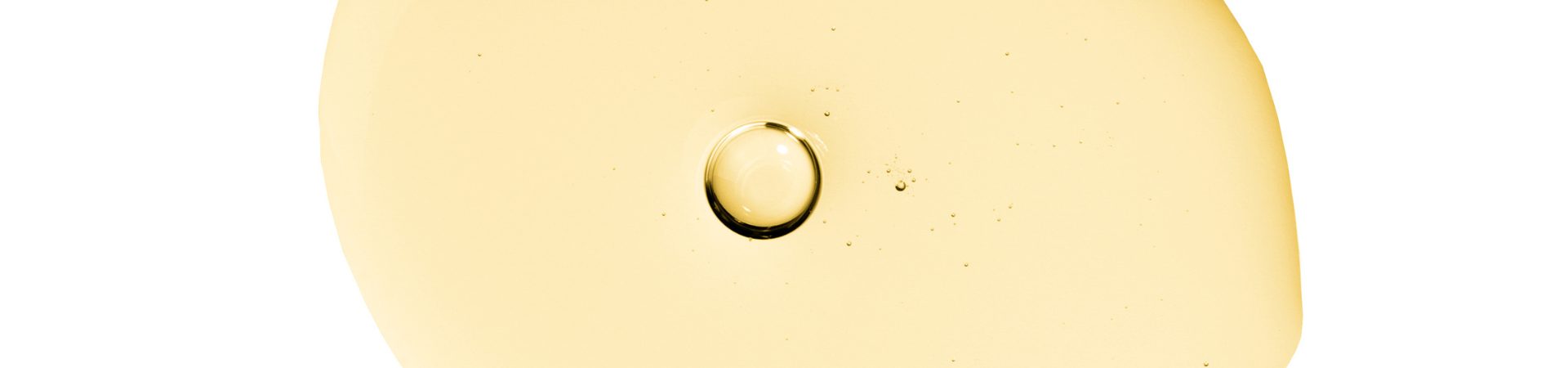
When we talk about the different BHO finishes, we are referring to the textures and consistencies that this type of concentrate can present: from a hard, brittle sheet to a creamy, airy mass or one with the appearance of small crystals.
Among the best-known finishes are shatter, budder, crumble, wax, and sugar wax. Although they can all come from a hydrocarbon extraction, their final appearance depends on numerous factors, such as the composition of the extract, the plant material used, and the subsequent treatment carried out in specialized facilities.
The texture mainly influences the appearance and ease of handling. However, it does not, by itself, determine the potency, purity, or safety of the concentrate. To know these details, a laboratory analysis is necessary.
What is BHO?
The acronym BHO stands for Butane Hash Oil. It is a concentrate obtained using butane as a solvent to separate certain cannabinoids, terpenes, and other soluble compounds from the plant material.
Once the extraction is finished, the solvent must be recovered and removed using professional equipment. The resulting product can have different consistencies depending on its composition and subsequent treatment.
BHO does not consist of a single texture. Terms like shatter, budder, or wax mainly describe its physical structure and appearance, not completely different extraction methods.
Equipment and materials needed for BHO extraction
To obtain quality BHO, it is necessary to have the right equipment. We use homemade equipment but with professional results, but you need at least:
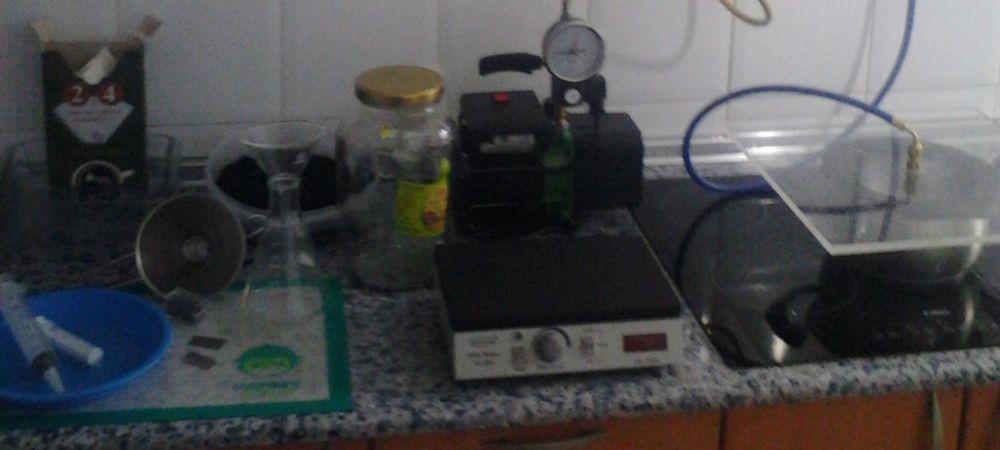
- Extraction systems: Such as the roller extractor, to pass the solvent (butane) through the ground marijuana and extract the resin.
- Heating plate: To control the temperature and prevent the solvent from getting trapped.
- Vacuum pump: Removes traces of butane gas, leaving a clean concentrate.
- Desiccator: Facilitates the drying of the BHO after purging.
- Parchment paper or silicone mat: To collect the BHO without it sticking.
Remember that the temperature and purge time are key factors in the process, as they will directly influence the type of texture you will obtain.
What factors influence BHO finishes?
There is no single element that determines the final appearance of BHO. The consistency is formed by the interaction between the chemical composition of the extract and the processing conditions.
Composition of the plant material
The proportion of cannabinoids, terpenes, waxes, and other components influences the extract’s ability to remain transparent, crystallize, or acquire a creamy texture.
Two varieties processed under similar conditions can present different finishes. Therefore, it is not always possible to exactly reproduce a texture using different raw materials.
Fresh or dry material
Fresh material retains a greater amount of water and certain highly volatile aromatic compounds. When frozen immediately after harvest and processed in specialized facilities, it can be used to make extracts known as live resin.
Dried and cured marijuana contains less water and has a different aromatic profile. This can influence the color and texture, but it does not necessarily mean it provides a more potent extract.
It is also incorrect to state that drying and curing convert all cannabinoids into THC. In unheated flowers, THCA usually predominates, which needs to be decarboxylated to transform into THC.
Temperature and handling
Temperature, pressure, agitation, and processing time can modify the structure of the concentrate.
Limited handling generally favors transparent and glassy finishes, while movement and the controlled incorporation of air can produce more opaque and creamy textures.
This does not mean that one texture is automatically better than another. Each finish responds to different physical characteristics.
Solvent removal
The removal of residual solvents is a critical phase. A product can look clean and transparent and still retain non-visible compounds.
For this reason, appearance is no substitute for a laboratory analysis. Professional controls allow for checking the presence of residual solvents, pesticides, microorganisms, and the actual concentration of cannabinoids.
Different BHO finishes
Shatter or Amber Glass (Amber Crystals)
Amber Glass is one of the most popular finishes due to its purity and high THC concentration. It is an extraction that can be used recreationally, but is more oriented toward the medicinal patient. The cannabinoids are active without smoking them, so it has the same effect ingested as inhaled. It has a hard and brittle texture, with a light amber color.
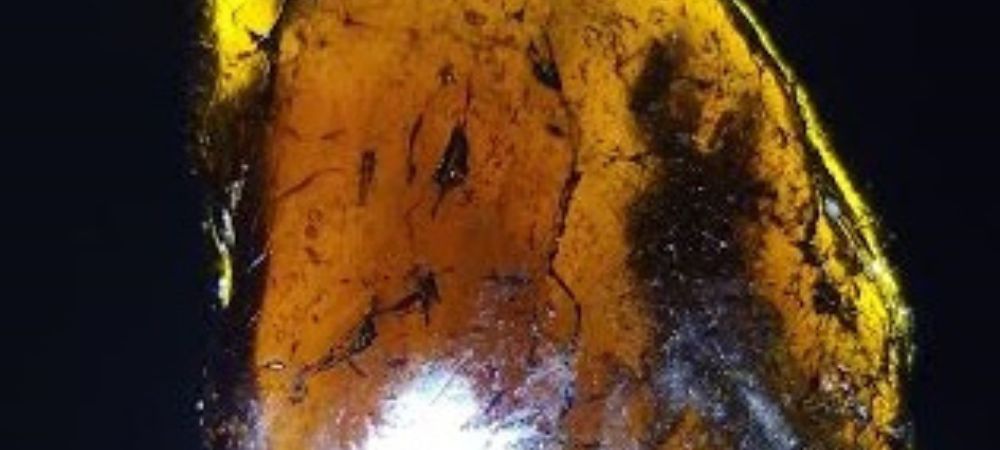
Amber glass made with fresh material
When freshly harvested material is used, it is usually frozen to preserve a higher proportion of volatile aromatic compounds. Extracts produced professionally in this way are usually included in the live resin category.
The result can have lighter shades and a different aromatic profile than an extract obtained with dried flowers. However, using fresh material does not guarantee a lighter color, higher potency, or a hard texture.
In addition, fresh plants contain a high proportion of water. For this reason, their processing requires professional equipment and especially precise control of humidity and temperature.
The cannabinoids present in fresh material are mostly in their acidic forms, such as THCA and CBDA. Extraction does not automatically transform them into THC and CBD: that conversion depends on sufficient decarboxylation occurring.

Shatter made with dried and cured material
Dried and cured material contains much less water and has a different aromatic profile. It can produce a yellow, gold, or amber shatter, although the final color also depends on the variety, the state of preservation, and the process conditions.
Drying increases the proportion of resin relative to the total weight because it removes much of the plant’s water. This does not mean that more THC is generated or that the extract obtained is necessarily more potent.
During proper curing, most THCA does not automatically transform into THC. If the material is stored for too long or in poor conditions, certain compounds can degrade and the color of the extract can darken.
It also cannot be claimed that dry material allows for concentrates close to 99% THC. Potency can only be determined through analysis and depends mainly on the initial composition and the degree of refinement.
- Texture: hard and brittle.
- Appearance: translucent or transparent.
- Color: yellow, gold, or amber.
- Handling: can be fragmented easily.
Budder
Budder is a BHO with a creamy and smooth texture that resembles butter. This concentrate is more manageable and easy to consume, as it can be handled with the fingers. Its opaque appearance is due to the changes produced in the structure of the extract during its processing.
It is usually easier to divide than shatter, although it can stick to surfaces when stored at a high temperature.
- Characteristics: Smooth, creamy, and easy to handle.
- Flavor: Rich in terpenes, with a smooth flavor and a texture that highlights the aromatic profile of the plant.

Wax
The term wax encompasses different concentrates with a waxy appearance. It can have a moist and sticky consistency or something drier and more compact.
Its characteristics depend largely on the proportion of cannabinoids, terpenes, and waxes present in the extract.
- Texture: waxy and malleable.
- Appearance: opaque.
- Color: yellow or beige.
- Handling: variable according to its consistency.
Sugar Wax
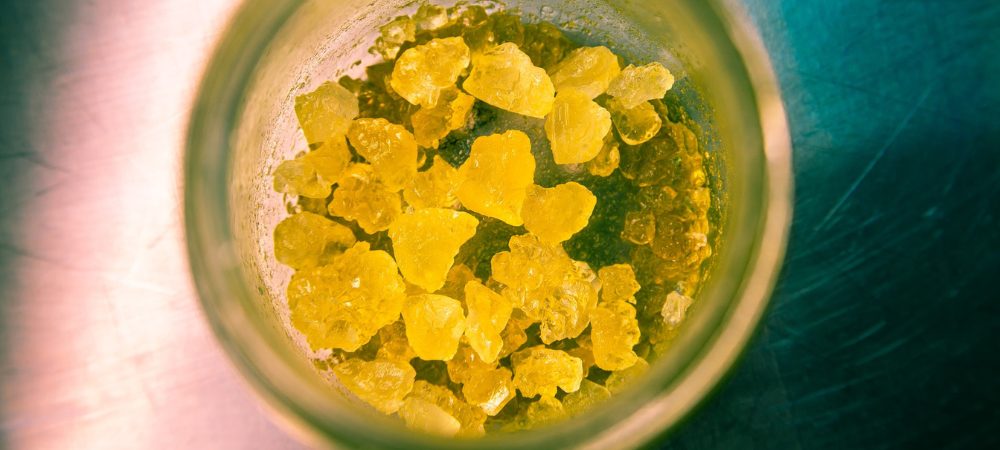
Sugar Wax has a sandy texture, as if it were sugar. Its name comes from its appearance, similar to small sugar crystals. This concentrate is easy to handle and usually has a high concentration of terpenes.
Its characteristics depend largely on the proportion of cannabinoids, terpenes, and waxes present in the extract.
- Texture: sandy, slightly sticky.
- Flavor: Very earthy and fresh, highlighting the natural notes of cannabis.
- Color: gold, yellow, or amber
- Appearance: small visible crystals
Crumble
Crumble has a dry, porous, and brittle texture. It crumbles easily into small fragments, which is where its name comes from.
It differs from budder in that it has a less creamy structure and less cohesion.
- Texture: dry and crumbly.
- Appearance: porous.
- Color: light yellow or beige.
- Handling: divides easily, but can produce small fragments.
Using the same process and temperature, the Different BHO Finishes will vary depending on whether we use dry or wet herb. The temperature during evaporation plays a crucial role in the final result.
A shatter can be less potent than a budder, just as a dark extract does not necessarily contain more impurities than a light one. The result depends on the variety, the state of the plant material, the extraction, and the refinement.
It is also worth differentiating several concepts:
- Potency: concentration of cannabinoids present.
- Purity: absence of contaminants, solvents, and other unwanted substances.
- Aromatic profile: combination and concentration of terpenes.
- Texture: physical state and consistency of the product.
Only a laboratory analysis can provide reliable information about the composition and safety of a concentrate.