Personalized Attention +44 151 947 0713
 SHIPPING TO ALL

 9/10 Rating
 SALE TO MINORS PROHIBITED

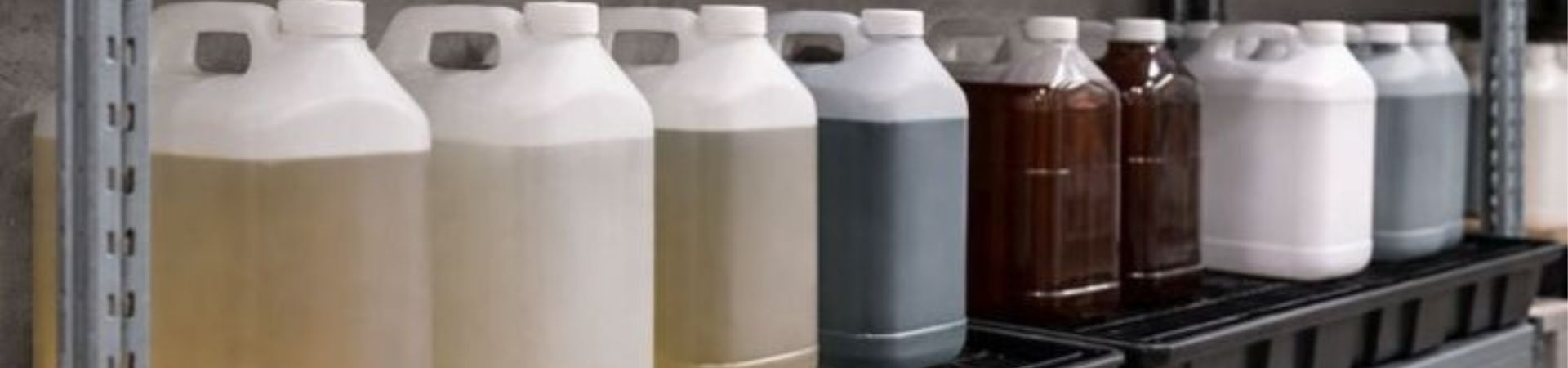
Fertilizer storage is a key aspect for both individual growers and grow shops, as it directly influences safety, product preservation, and its effectiveness during cultivation.
Properly storing fertilizers not only prevents financial losses but also reduces unnecessary risks and helps comply with current regulations. Furthermore, when we talk about bulk fertilizer storage, the demands increase, and it is advisable to apply stricter criteria for order, separation, and environmental control.
Throughout this article, we will see how to correctly store cultivation fertilizers, from the simplest basics to the most important recommendations regarding safety and regulations, always with a practical approach adapted to the grow shop environment.
Why correct fertilizer storage is so important
Before delving into how to do it, it’s important to understand why storage is not a minor issue. Fertilizer often doesn’t start to fail when applied incorrectly, but during its storage. Although it may seem like a stable product at first glance, nutrients are sensitive to environmental factors and handling errors that can compromise their performance.
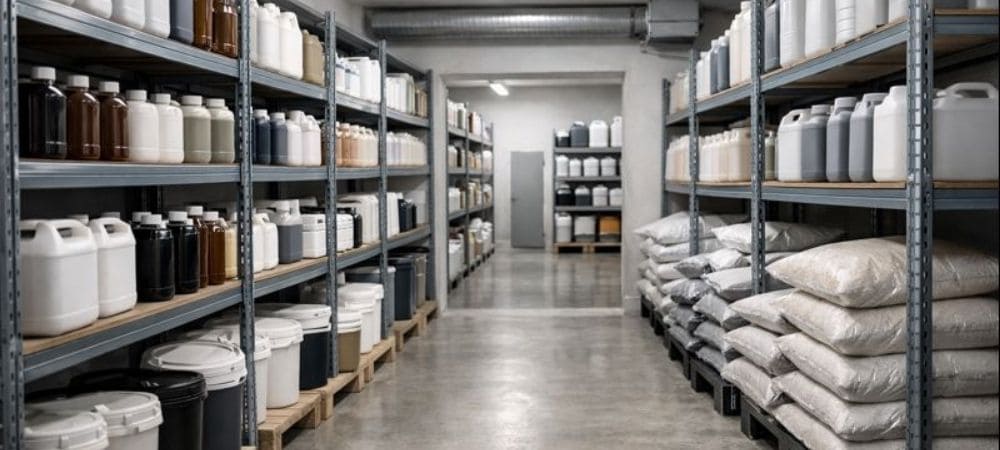
Poorly stored fertilizer can lose some of its effectiveness, alter its composition, or even become dangerous. Humidity, heat, light exposure, or contact with other products can cause unwanted chemical reactions, crystallization, abnormal sedimentation, or degradation of active ingredients.
From a grow shop’s perspective, deficient storage also translates into spills, damaged containers, stock problems, customer complaints, and occupational hazards. Therefore, investing time in organizing the warehouse well is a preventive measure that provides clear short- and long-term benefits.
Basic principles of fertilizer storage
Although each product has its peculiarities, there are a series of general principles that apply to most fertilizers, regardless of their format.
Ideal environmental conditions: temperature, humidity, and ventilation
The storage location must be dry, cool, and well-ventilated. Humidity is one of the main enemies, especially for solid or powdered fertilizers, as it promotes compaction and loss of homogeneity. Excessive heat, on the other hand, can accelerate chemical reactions and degrade certain components, especially in liquid fertilizers.
It is also essential to avoid direct exposure to sunlight, especially for liquid or biological products. Many containers are designed to protect the contents, but they are not infallible if stored incorrectly for long periods.
Importance of order and separation by product type
Keeping fertilizers organized by type, format, and use facilitates daily work and reduces human error. Separating liquids from solids, organic from mineral, and incompatible products from each other is a basic preventive measure that improves both safety and operational efficiency.
Storage, stability, and spill prevention
Liquid fertilizers are the most used in modern cultivation and, at the same time, those that generate the most incidents if not stored correctly.
One of the critical points is the closure of the containers. A poorly closed cap can cause evaporation, leaks, or product contamination. In addition, temperature changes can generate internal pressure in the bottles, increasing the risk of deformation or loss.
Secondary containment is a highly recommended practice, especially in grow shops or warehouses with high volume. Placing bottles on trays or containment sumps allows for containing potential spills and preventing a single accident from becoming a major problem.
Regarding temperature, it is ideal to keep liquid fertilizers within a stable range, away from heat sources and areas where they might freeze. A fertilizer that freezes or overheats can separate into phases or alter its internal balance.
For organic or biological products, it is especially important not to store pre-prepared mixtures for long periods, as they can ferment or degrade quickly.
Storage of solid and powdered fertilizers
Solid, granular, or powdered fertilizers are usually more stable, but they are not without risks if not stored correctly. Solid, granular, or powdered fertilizers require special attention to humidity. Although they are usually more stable than liquids, they easily absorb ambient moisture, which can lead to caking and dosing difficulties.
This type of product should be stored in tightly closed containers, preferably elevated from the ground and on sturdy shelves. In the case of open bags, it is advisable to seal them hermetically or transfer the contents to suitable containers.
The ventilation of the space is key to preventing condensation, especially in large warehouses or with significant temperature changes between day and night.
Bulk fertilizer storage
Bulk fertilizer storage requires a higher level of control. When large quantities are handled, the associated risks increase, and regulations are usually stricter.
One of the most important aspects is separation by incompatibilities. Not all fertilizers can be stored together without risk. Some products react with each other or are affected by the proximity of other compounds, which can lead to safety problems or product deterioration.
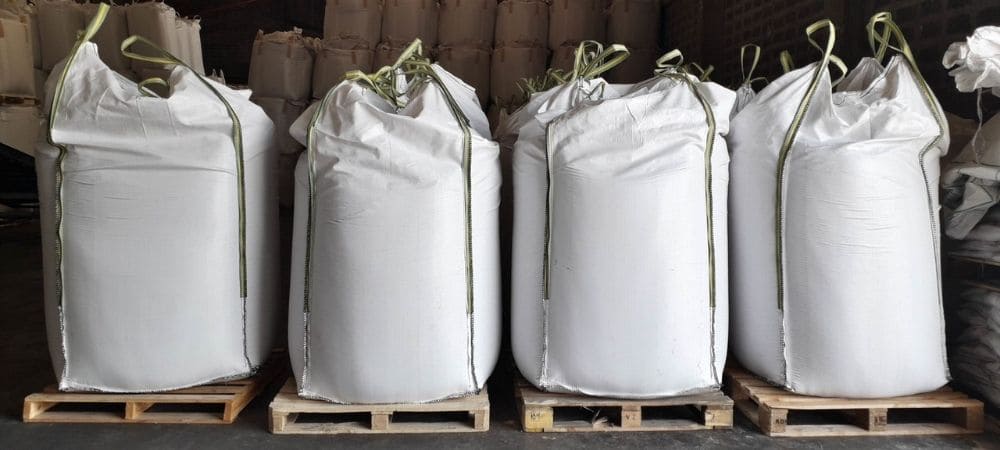
Adequate ventilation, humidity control, and the use of clean, resistant surfaces are basic requirements. In addition, it is essential to avoid cross-contamination between different types of fertilizer, which is common when handling bulk products without a clear protocol.
| Fertilizer type | Recommended storage conditions | Main risks if stored incorrectly |
|---|---|---|
| Liquid | Cool place, no direct light, closed container | Spills, degradation, phase separation |
| Solid / powder | Dry environment, airtight container, ventilation | Caking, loss of homogeneity |
| Organic / biological | Stable temperature, avoid excessive heat | Fermentation, loss of activity |
| Bulk | Separation, humidity control, ventilation | Reactions, cross-contamination |
Fertilizer storage regulations: what you need to consider
Fertilizer storage regulations can vary depending on the type of product, the quantity stored, and its composition. In Spain, the storage of certain fertilizers is related to the regulations on the storage of chemical products (APQ), especially when certain thresholds are exceeded or when dealing with substances with specific risks.
General framework:
In the United States, the storage and handling of chemical products are mainly regulated by federal frameworks such as the OSHA Hazard Communication Standard (HCS) and the OSHA Process Safety Management (PSM) standard, as well as environmental regulations under the Environmental Protection Agency (EPA).
These regulations establish general requirements for storage conditions, safety measures, labelling, and risk prevention. While not all fertilizers are subject to the same regulatory requirements, this framework serves as a key reference for implementing good practices in safety and environmental protection.
Fertilizers with special requirements (ammonium nitrate)
A particularly relevant case is that of ammonium nitrate-based fertilizers, which have stricter requirements due to their potential risk. In these cases, regulations may require specific conditions for ventilation, separation, signage, and control.
CLP labeling and safety data sheets (SDS)
For any fertilizer, it is essential to always check the label and the safety data sheet (SDS). These documents detail the recommended storage conditions, incompatibilities, and measures to be taken in case of a spill or incident.
In professional environments such as grow shops, it is advisable to have internal protocols based on the SDS of the most sensitive products, even if it is not always mandatory by volume.
Warehouse organization in grow shops
Good warehouse organization not only improves safety but also streamlines daily work. Quickly locating a product, avoiding confusion, and reducing the risk of accidents are direct advantages of a well-thought-out storage system.
Stock rotation and batch control
Stock rotation is another key point. Although many fertilizers do not have a strict expiration date, they can lose quality over time if not stored under optimal conditions. Applying a rotation system, using older products first, helps maintain stock quality.
Visual inspections and problem detection
It is also important to periodically check containers for deformations, leaks, or visible changes in the product. A simple visual check can prevent major problems.
| Observed sign | Possible cause | Recommended action |
|---|---|---|
| Crystals or sediments | Temperature changes, poor preservation | Review SDS before use |
| Swollen container | Internal reaction or excessive heat | Isolate and consult manufacturer |
| Anomalous odor | Degradation or contamination | Do not use without verification |
| Leaks or damaged cap | Incorrect closure or internal pressure | Transfer or discard container |
Safety and good practices in daily handling
Storage does not end when the product is on the shelf. Daily handling is part of the process and must be done carefully.
Wearing gloves when handling concentrated fertilizers, avoiding eating or drinking in storage areas, and cleaning up any spills immediately are basic practices that reduce risks. In addition, keeping the area clean and free of product residue helps prevent unwanted reactions and facilitates visual control of the space.
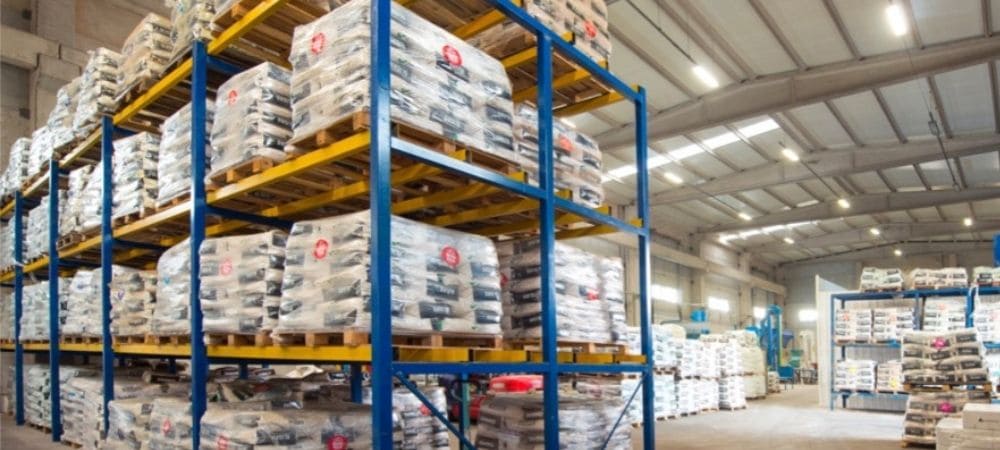
In grow shops with high staff turnover, basic training on fertilizer storage and handling significantly reduces errors and accidents.