Personalized Attention +44 151 947 0713
 SHIPPING TO ALL

 9/10 Rating
 SALE TO MINORS PROHIBITED
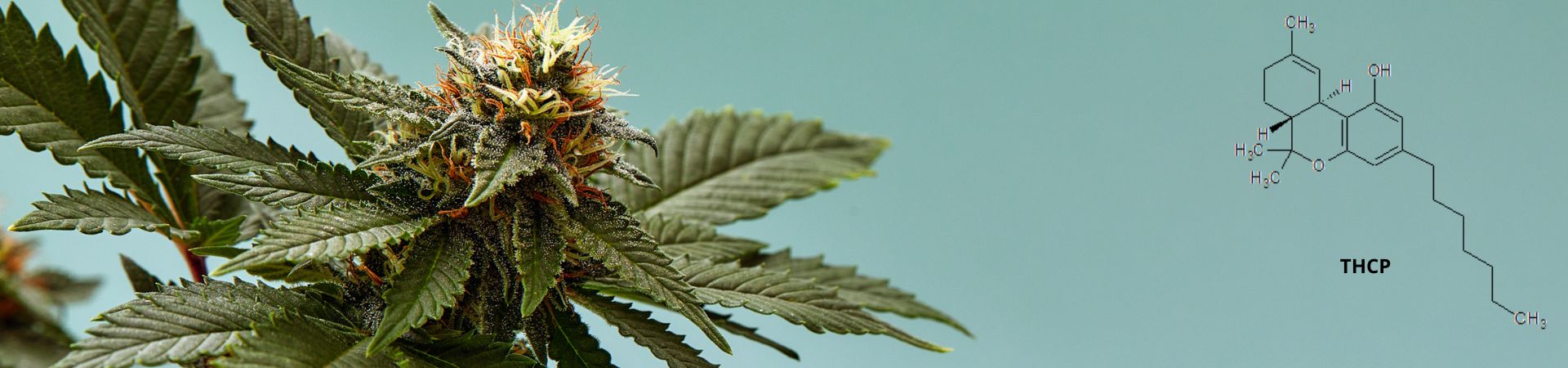
THCP is a recently isolated cannabinoid that is generating significant interest within the scientific and medical communities. Although it shares similarities with THC (the primary psychoactive compound in cannabis), THCP has distinct characteristics that may influence both its potency and potential therapeutic applications. To better understand how they differ, we explain everything you need to know about this compound below. In this article, we’ll explore what makes THCP unique and how it differs from THC.
THCP: What is it?
THCP (tetrahydrocannabiphorol) is a phytocannabinoid discovered in 2019 by a team of Italian researchers from the Military Chemical Pharmaceutical Institute in Florence. They identified it using advanced liquid chromatography techniques, isolating it directly from hemp.
Despite its recent discovery, THCP has generated major interest in the scientific and medical fields due to its potential role in regulating pain, mood, appetite, and sleep. Although research is still ongoing to fully understand its effects and therapeutic applications, current findings suggest that THCP could represent a disruptive cannabinoid in the field of medical cannabis.
Molecular structure and potential
Unlike THC, which has a five-carbon alkyl chain, THCP features a heptyl chain containing seven carbon atoms. This greater length may explain THCP’s stronger affinity for CB1 receptors, suggesting more intense effects compared to traditional THC. The endocannabinoid system (ECS) plays a crucial role in regulating various bodily functions, and cannabinoids such as THCP interact with this system through CB1 and CB2 receptors.
How is THCP produced?
THCP occurs in very small amounts in the cannabis plant, generally representing around 1% of its chemical composition. Due to this extremely low concentration, extracting THCP directly is a complex and costly process. As a result, most THCP available on the market is produced in laboratories through the conversion of other natural cannabinoids, such as THC or CBD, using controlled chemical processes.
Differences between THC and THCP
Below is a detailed comparison outlining how these two cannabinoids differ and where they share similarities:
| Feature | THC (Delta-9-Tetrahydrocannabinol) | THCP (Tetrahydrocannabiphorol) |
|---|---|---|
| Chemical structure | Alkyl chain with 5 carbon atoms | Alkyl chain with 7 carbon atoms |
| Molecule type | Natural cannabinoid found in most cannabis strains | Rare phytocannabinoid first identified in 2019 |
| Receptor affinity | Interacts with CB1 and CB2 receptors with moderate affinity | Up to 33 times higher affinity for CB1 receptors in the endocannabinoid system |
| Psychoactive potency | Strong, but with a more predictable tolerance threshold | Potentially far more potent than THC, even in small doses |
| Natural presence | Abundant in most cannabis strains | Present in extremely small quantities (<1%) |
| Current production | Extracted directly from the plant | Mostly obtained through chemical conversion from other cannabinoids |
| Molecular stability | Relatively stable with predictable effects | Less stable and more potent; requires greater caution in handling and consumption |
| Therapeutic use | Used in treatments for pain, nausea, anxiety, insomnia, and more | Potentially more effective, but its high potency may limit certain uses |
| Legality and regulation | More widely regulated worldwide | Still under study; legality varies and is often less clearly regulated |
THCP effects and benefits: what makes it so unique?
THCP (tetrahydrocannabiphorol) has attracted attention due to its ability to enhance the psychoactive effects of cannabis and its promising therapeutic profile. Although research is still in its early stages, initial studies and user experiences point to some remarkable properties.
Psychoactive effects
One of the main characteristics of THCP is its extremely high affinity for CB1 receptors in the endocannabinoid system, particularly in the brain. This stronger interaction can result in psychoactive effects significantly more powerful than those produced by traditional THC. Some users report:
- Deep and long-lasting euphoria
- Enhanced sensory perception
- Greater introspection and overall sense of well-being
For this reason, it’s important to note that even small doses may produce effects considerably stronger than those of THC.
Therapeutic potential
Beyond its psychoactive effects, THCP may offer significant medical benefits. While research is still developing, the following potential applications are currently being explored:

- Chronic pain relief: its potency may make it especially useful for people whose conditions do not respond well to THC or CBD.
- Anti-inflammatory effects: researchers are exploring its potential application in inflammatory diseases such as arthritis.
- Neuroprotective properties: early indications suggest it may help prevent or slow neurodegenerative disorders such as Alzheimer’s or Parkinson’s disease.
Is THCP safe? A basic guide for responsible use
Due to its potency, THCP consumption should be approached with caution and responsibility, especially if you are trying it for the first time. This is not considered a beginner-friendly cannabinoid.
Risks and possible side effects
As with any psychoactive compound, THCP may cause adverse effects if consumed in excessive amounts. The most common include:
- Dry mouth
- Dizziness or vertigo
- Lethargy or drowsiness
- Anxiety if the recommended dose is exceeded
Tips for safe THCP use
- Start with very low doses: THCP is stronger than THC, so less is more.
- Monitor how your body reacts: if you feel discomfort, do not increase the dose.
- Stay informed: keep up to date with new studies and real user experiences.
THCP Legal status: is it allowed?
The legal status of THCP is complex and constantly evolving. Because it is a recently discovered cannabinoid, it has not yet been specifically regulated in many national laws, creating uncertainty regarding its commercialization and use.

In many countries, THCP does not explicitly appear in current legislation, but its chemical structure is very similar to THC, which may lead authorities to classify it as an analog. This means that, in some jurisdictions, it could automatically fall under controlled substance regulations, particularly in places with strict laws regarding psychoactive cannabinoids.
In the United States, the regulatory framework surrounding cannabinoids largely depends on federal and state laws. Hemp-derived cannabinoids that contain less than 0.3% Delta-9 THC are generally permitted under the 2018 Farm Bill, but compounds like THCP may still face legal scrutiny due to their psychoactive nature or classification as THC analogs. As a result, regulations may vary significantly by state, and consumers should always check local laws before purchasing or using THCP products.
Additionally, any product containing THCP must comply with quality standards, labeling regulations, and safety testing requirements to ensure consumer protection.
Did you already know all these differences between THC and THCP? What do you think about them? Let us know in the comments!



 Add as preferred source in Google