Personalized Attention +44 151 947 0713
 SHIPPING TO ALL

 9/10 Rating
 SALE TO MINORS PROHIBITED

The medical community has been researching CBD for osteoporosis for years as a complementary treatment option to help relieve symptoms. While studies are still in their early stages, the results so far appear promising.
What is Osteoporosis?
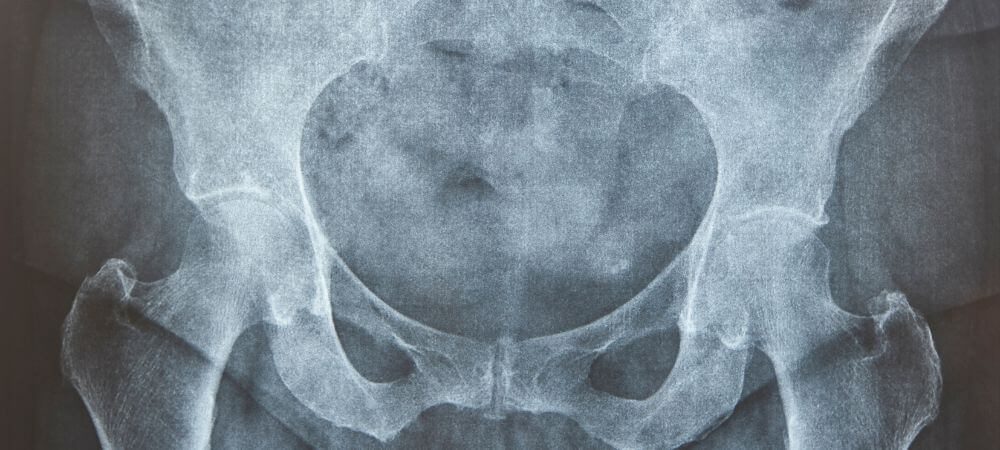
Osteoporosis—literally “porous bones”—is a medical condition that causes the loss of bone density. It occurs when new bone tissue can’t form as quickly as old bone tissue breaks down. While bone loss is a normal part of aging, people with osteoporosis lose bone mass at a much faster rate. This leads to weakened, fragile bones that can fracture easily. It can also cause spinal deformities and other physical changes.

GB 5% CBD Oil
GB Oil 5% CBD + Melatonin

GB Sport CBD Oil 15% + CBG 15%
Common symptoms
In the early stages, osteoporosis usually has no symptoms. However, as bones become weaker, some signs may start to appear, including:
- Back pain, often due to a collapsed vertebra.
- Stooped posture and noticeable loss of height.
- Frequent bone fractures from minor incidents.

‘GB COLD’ CBD Cold Effect Cream

CBD Sport Pack
Risk factors
Women are at higher risk of developing osteoporosis, especially during the first years after menopause when bone loss accelerates. Other risk factors include hormonal imbalances, long-term corticosteroid use, inflammatory diseases, low BMI, and lifestyle habits such as smoking.
CBD and osteoporosis
So how exactly can CBD help with osteoporosis?
Cannabidiol (CBD) is a non-psychoactive compound derived from the cannabis plant. It’s currently being studied for its role in bone health and bone density, with potential to treat—or even prevent—osteoporosis-related bone loss.
Osteoblasts and osteoclasts
The endocannabinoid system plays a regulatory role throughout the body. Bone tissue also contains cannabinoid receptors such as CB1 and CB2. CB2 receptors, in particular, are found in osteoclasts (cells that break down bone) and osteoblasts (cells that build bone). As we age, the balance between these two cell types can become disrupted, leading to significant bone loss.
Research suggests that CBD may stimulate CB2 receptors to enhance osteoblast activity, suppress osteoclasts, promote new bone formation, and help prevent bone degeneration.

Norepinephrine regulation
CB1 receptors also influence bone health by regulating norepinephrine, a neurotransmitter that can hinder bone formation. Some studies suggest that CBD oil may modulate CB1 activity, easing osteoporosis symptoms and potentially slowing down bone density loss.

GB 10% CBD Oil

GB 20% CBD Melatonin Oil

GB 20% CBD Oil
Anti-inflammatory support
CBD’s anti-inflammatory properties may also indirectly help preserve bone health by reducing chronic inflammation, which is known to contribute to bone damage over time.
Accelerated fracture healing
Some research also suggests that CBD can promote faster healing of bone fractures by strengthening the bone matrix. It may also provide natural pain relief, potentially reducing reliance on opioids during recovery.
No standardized dosage
While CBD is generally safe and well tolerated, there is no standardized dosage for bone health. It’s best used as a dietary supplement or topical application, such as creams or CBD patches applied directly to affected areas. It’s important to remember that CBD may interact with certain medications, so older adults or those with existing conditions should consult a healthcare professional first.

Although preclinical data on CBD and osteoporosis is promising, more human studies are needed before it can be recommended as an official treatment or preventive measure. If you’re considering trying CBD for osteoporosis, speak with a doctor to assess whether it fits your needs. And don’t forget: any plan for bone health should also include calcium, vitamin D, physical activity, and avoiding smoking.




 Add as preferred source in Google