 Personalized Attention +44 151 947 0713
 SHIPPING TO ALL

 9/10 Rating
 SALE TO MINORS PROHIBITED
 Iniciar sesión
 0
0

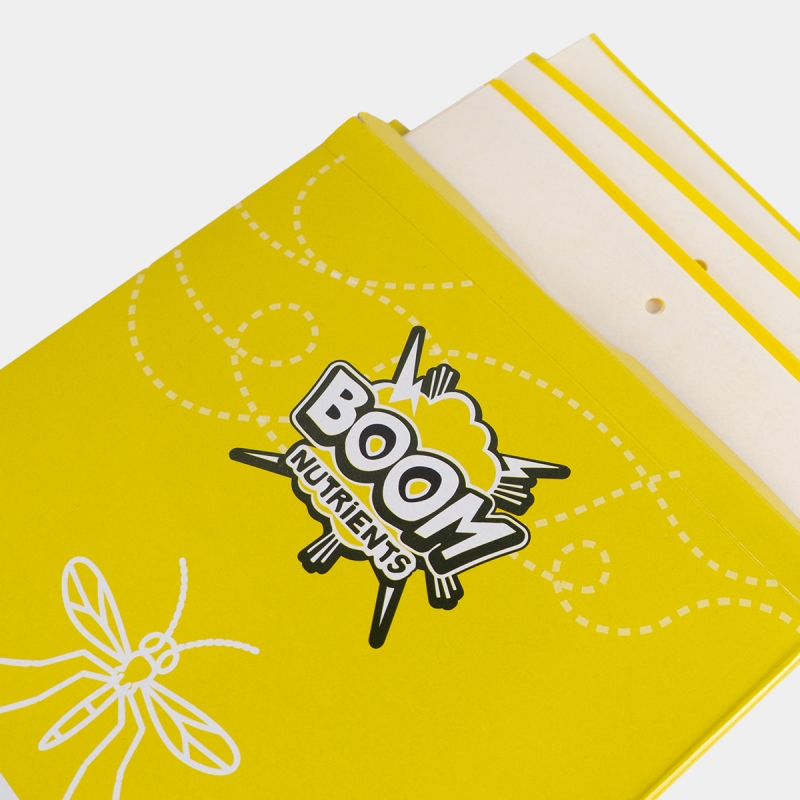
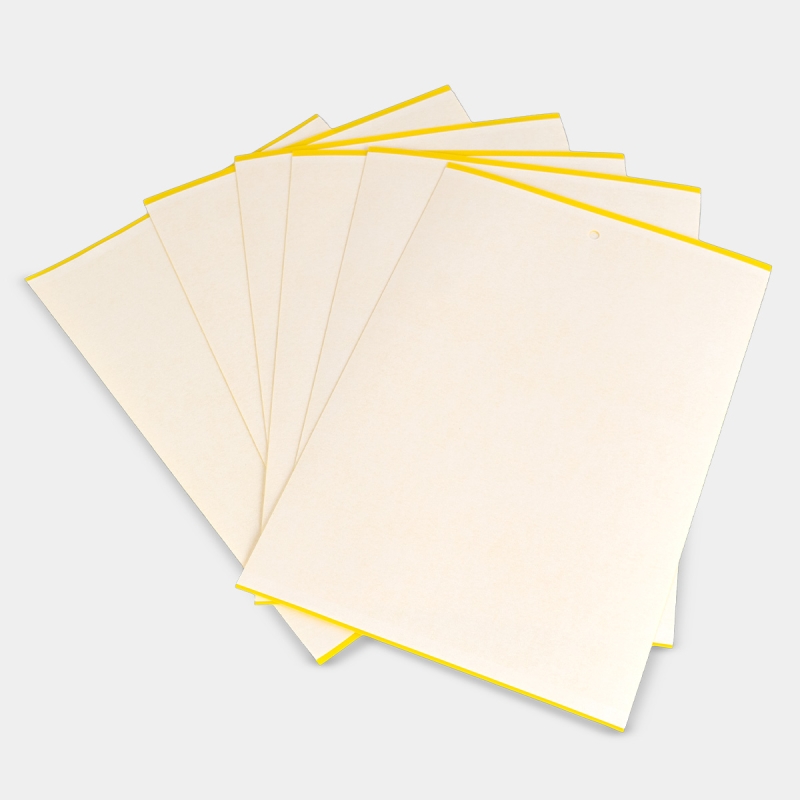
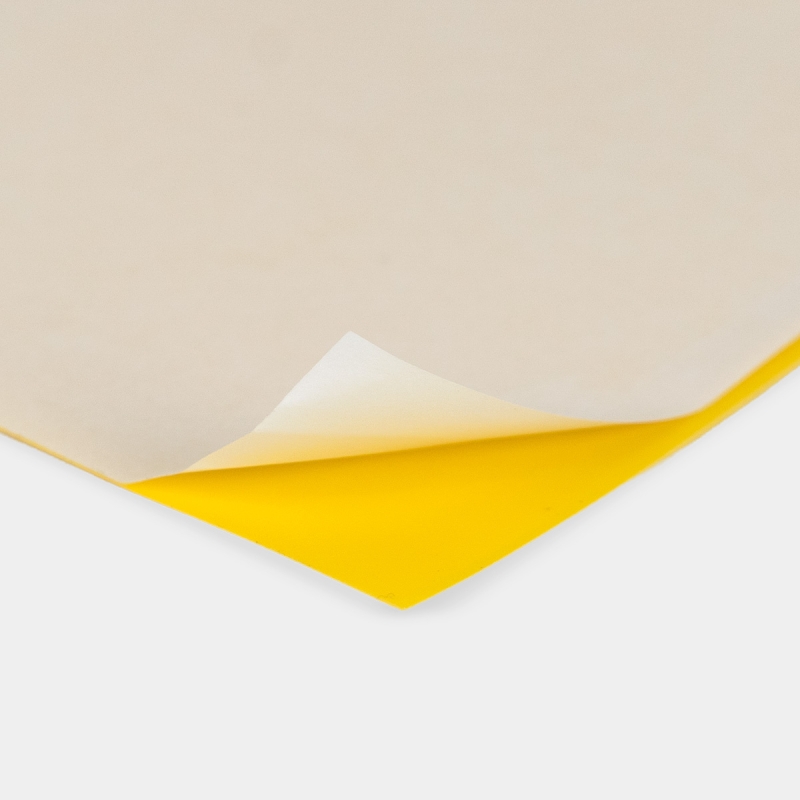
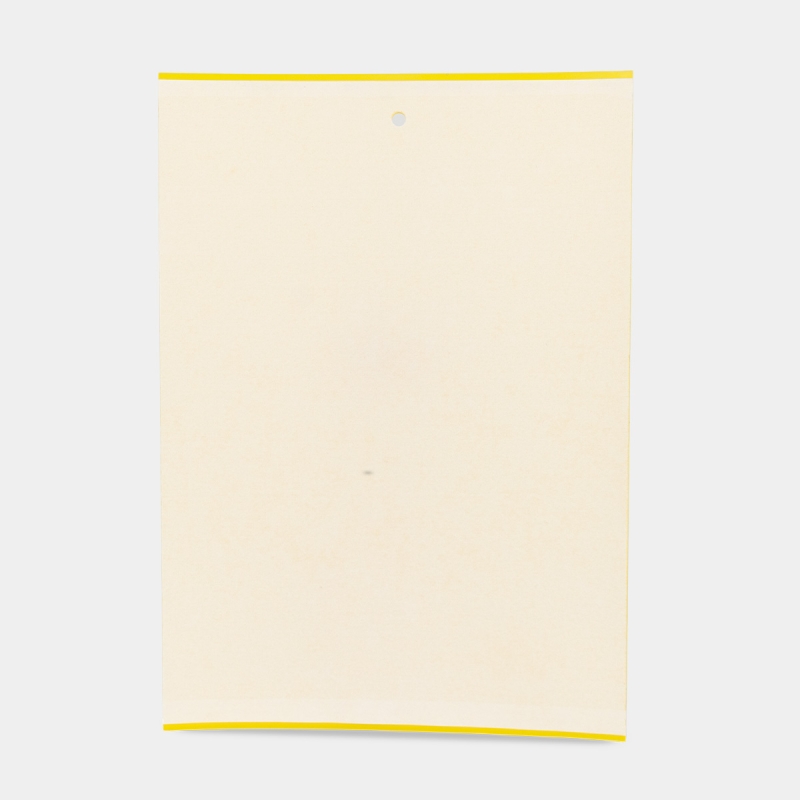
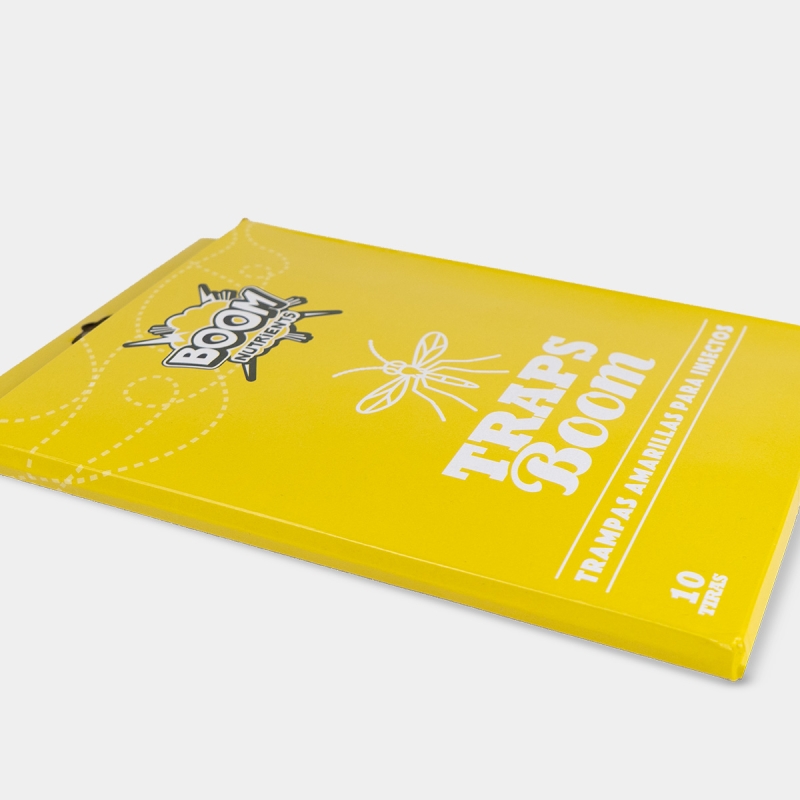
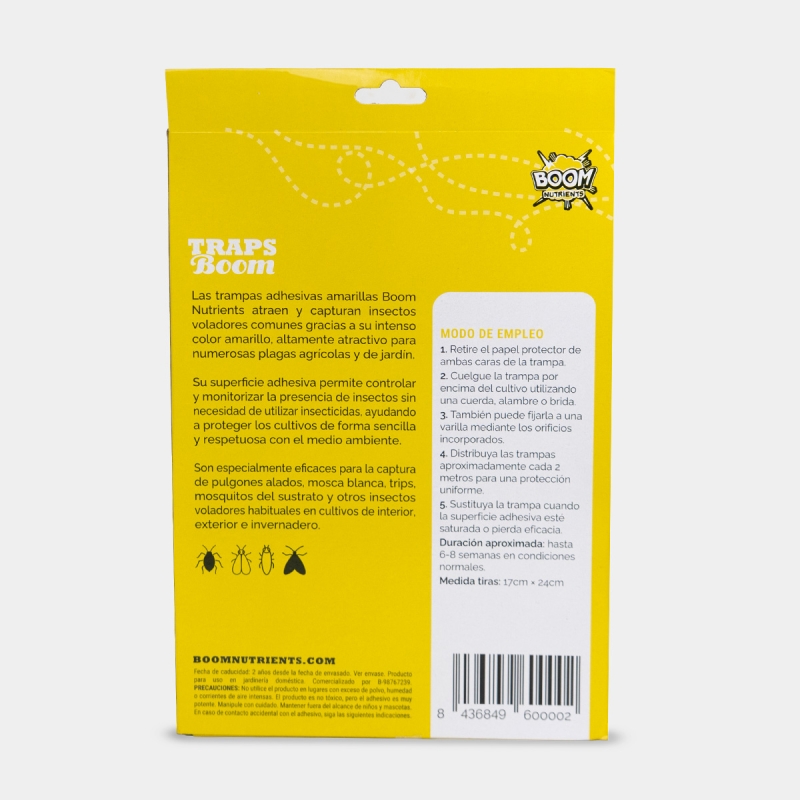
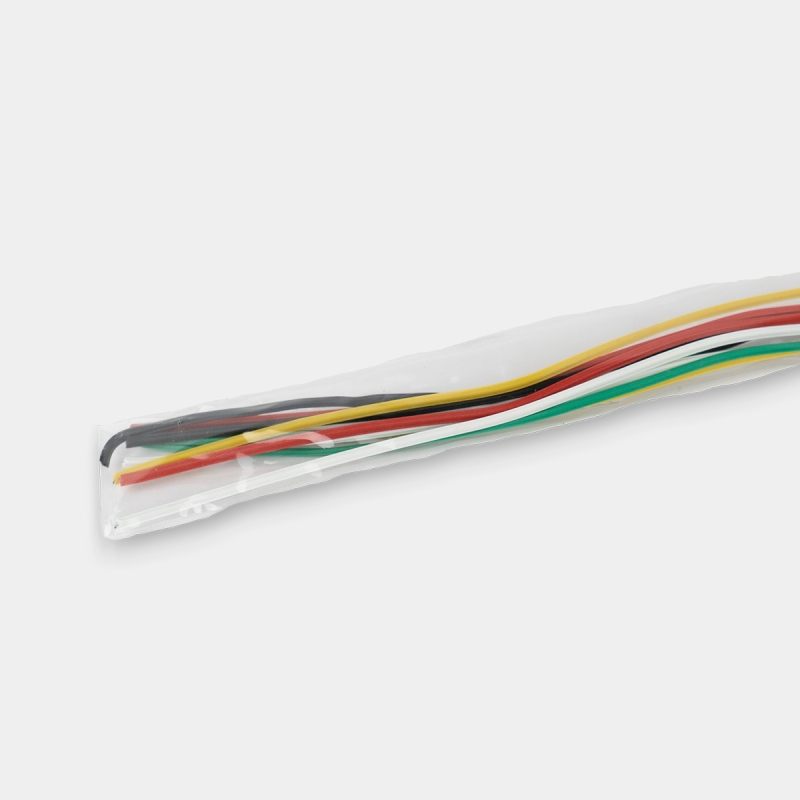
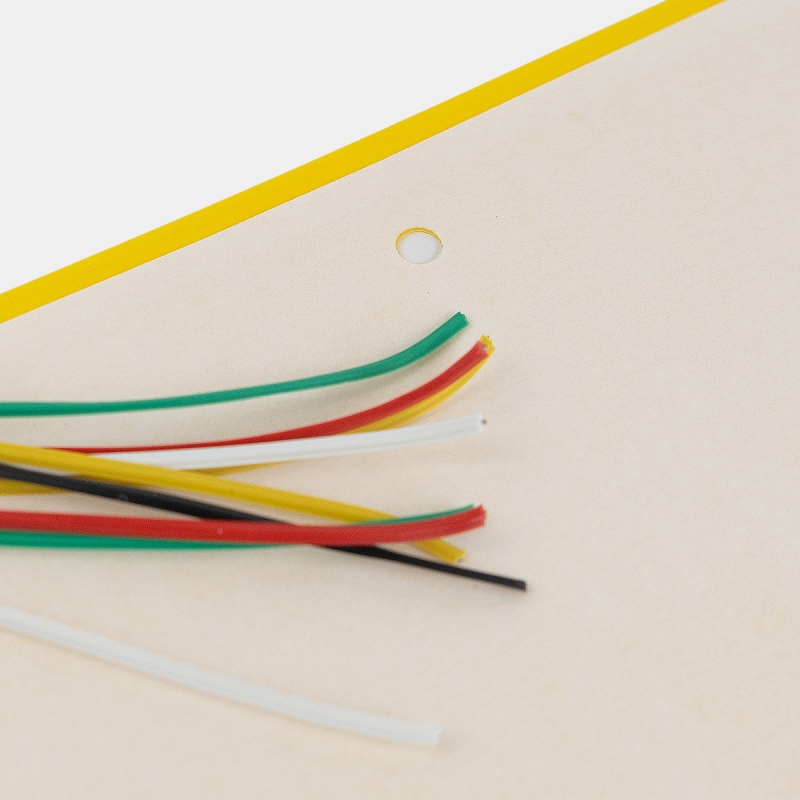
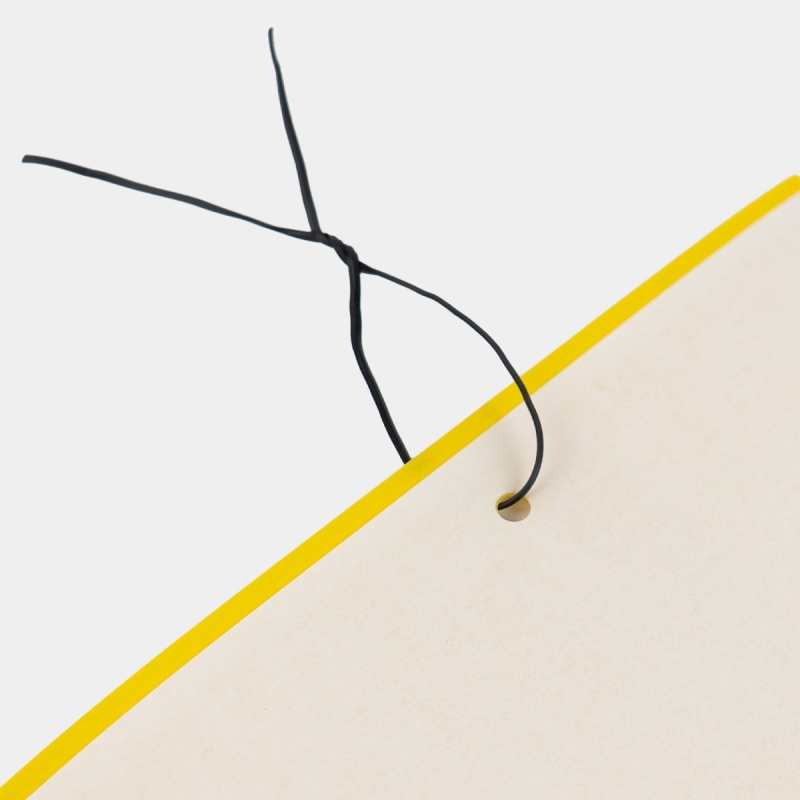
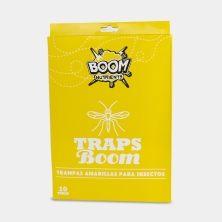
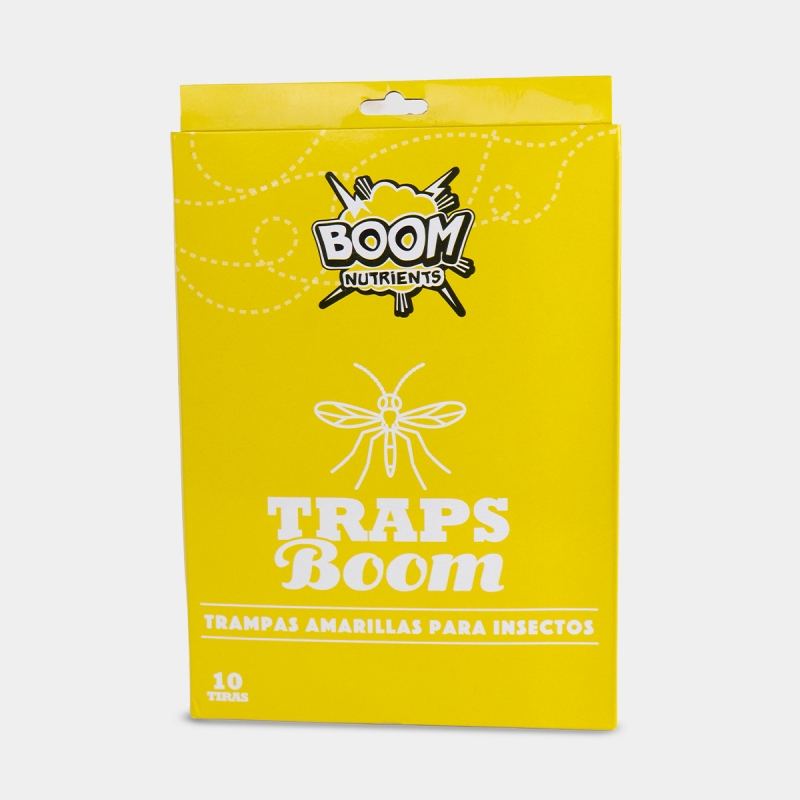
Traps Boom by Boom Nutrients is a pack of 10 yellow sticky traps for detecting and capturing flying insects in your crop. Each sheet measures 10 × 15 cm, has adhesive on both sides, and comes with an individual separator so you can take out only the one you need without the others sticking together.

Data sheet
Description
Some visitors are best detected as early as possible. Traps Boom helps you discover if whiteflies, thrips, winged aphids, or fungus gnats are lurking around your crop. Its operation is straightforward: the yellow color attracts flying insects, and they get stuck when they touch the sheet. You just need to place the traps at different points, check them occasionally, and act if catches start to increase.
Traps Boom by Boom Nutrients includes 10 yellow sticky traps to detect flying insects before they become a problem. Each sheet measures 10 × 15 cm, has adhesive on both sides, and comes with its own separator so you can take out only the one you need without making a sticky mess.
Additionally, each sheet has an individual separator and is stored in a protective box. This way, you can take out only the traps you are going to use without the others ending up stuck, bent, or dirty.
A simple solution to control what moves around your crop without spraying any product on the plants.
Traps Boom is used to detect and capture adult insects that fly around plants or substrate. You can use them preventively, even if you haven't seen any pests yet, or place them when you suspect something is wrong.
By checking them regularly, you can find out if there are insects in the crop and see if their presence increases or decreases. This allows you to react in time and prevent a small warning from turning into an invasion.
However, the traps capture flying adults, but they do not act on eggs, larvae, or insects that remain hidden in plants or substrate. If the pest is already established, you will need to combine them with the appropriate treatment.
• Detects pests in time: warns you of flying insects before the damage worsens.
• Adhesive on both sides: utilizes the entire surface of the sheet to increase capture possibilities.
• No sticky mess: each trap has its own separator so you can take one out without pulling the others along.
• Well protected: the box keeps unused sheets stored and organized.
• No spraying plants: works through visual attraction and physical capture.
• Perfect for prevention: you can place them from the beginning to monitor the crop.
• Manageable size: its 10 × 15 cm dimensions allow for easy distribution even in small grow tents.
• Pack of 10 units: distribute several throughout the crop and save the rest for when you need them.
• Includes fastening strips: allows traps to be easily hung and secured to stakes or other supports.
To control whiteflies, winged aphids, or thrips, place the traps near the top of the plants. Raise them as the plants grow to keep them at an appropriate height.
Is the problem in the pots? Place a sheet near the substrate to detect adult gnats, but without resting the adhesive directly on the soil.
You can also place traps near air inlets to discover insects trying to sneak into the crop. Distribute them at different points instead of placing them all together: this will give you a much clearer view of what is happening throughout the space.
No need to keep track of the calendar. Change a trap when it is full of insects, covered in dust, stuck to a plant, or has lost its adhesion.
Under normal conditions, it can last up to 2-3 months, although this time will depend on the number of catches and the cleanliness of the environment. If it stops sticking, it's time to put a new one.
No. The traps capture adult flying insects and help reduce their presence, but they do not eliminate eggs, larvae, or specimens hidden in plants or substrate. If the pest is already established, you will need to accompany them with other control measures.
Of course. In fact, placing them preventively is one of the best ways to detect the first visitors before they start causing damage.
Yes. Place some traps near the pots to capture adults flying around the substrate. Keep in mind that larvae remain within the soil and will require specific measures.
They can capture them and help you detect their presence. However, blue traps are often used when a more specific attraction for thrips is sought.
They do not need insecticide to work. The yellow visually attracts insects and the adhesive surface traps them when they land on it.
Each box contains 10 double-sided yellow traps. Each measures 10 × 15 cm.
They prevent the traps from sticking together while stored. You can take out only the ones you need and leave the rest protected inside the box, ready for the next change.
Usually joint purchase