Personalized Attention +44 151 947 0713
 SHIPPING TO ALL

 9/10 Rating
 SALE TO MINORS PROHIBITED

One of the biggest headaches for marijuana growers, both novices and those with more experience, is dealing with cuttings that won’t root. This is something that can happen to all types of growers and can be solved easily. To do so, it is important to know the different mistakes that are usually made in these cases. To learn more about this, in this article we explain why cannabis cuttings don’t root, reviewing the most common mistakes when making and maintaining them, whether you grow them in small pots, jiffys, or rock wool cubes. Let’s make sure all your cuttings grow strong and healthy roots!
Common mistakes when making marijuana cuttings
The cloning process is delicate, and a single failure can cause the cuttings not to survive. Some of the most frequent mistakes that usually occur when making cuttings are:
1. Poorly made cuts
It is essential that the cut is made leaving a node underground and enough space up to the leaves to avoid rot. These cuttings should not be made too small, otherwise, it will be difficult to spray them correctly and they will dehydrate quickly.
2. Inadequate rooting medium
The substrate must be slightly moist and with the pH corrected to 6.0. Excess water can rot the stems before they develop roots. You must take into account the type of substrate you want to root in. It can be in a rock wool cube tray or jiffys, which improve the germination and rooting process.
3. Scraping the stem too much
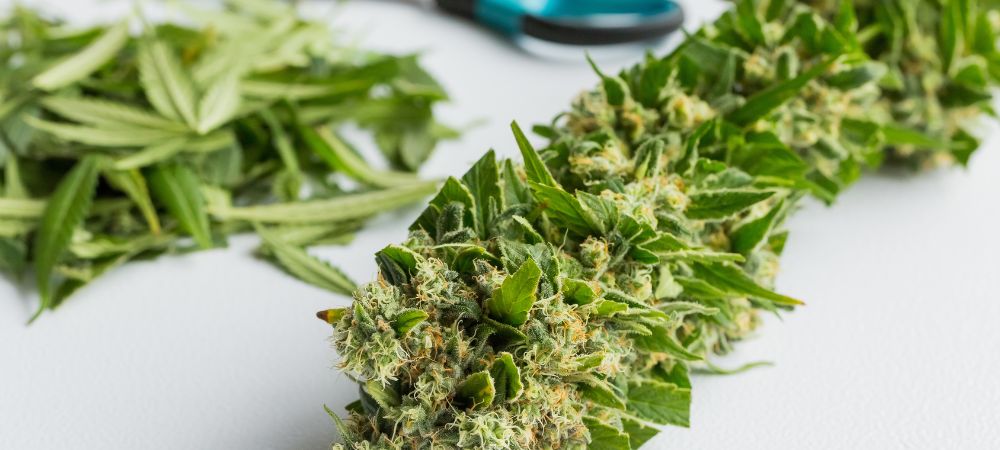
Many growers scrape the stem too much when preparing it. This is a serious mistake that growers often make, especially when starting out in cultivation. The natural rooting hormones are in the second layer of the skin; so if you reach the white part of the trunk, that cutting will never root.
4. Incorrect use of rooting hormones
You should avoid dipping the cutting directly into the gel. Instead, apply the hormones with a brush so as not to clog the stem with excess gel. To properly preserve the gel, it should be kept in the refrigerator and always use a clean portion to avoid contamination. Hormones are living organisms, so sometimes they can spoil, which would cause them not to root.
5. Excessive defoliation
Trim only 40% of the length of the leaves, no more. This reduces transpiration but allows the plant to continue photosynthesizing. You should trim the leaves a little, but never strip them. The idea is that they don’t photosynthesize too much and don’t dehydrate quickly, but if they are cut too much, they won’t do it at all and will end up suffocated without leaves.
6. Lack of ambient humidity
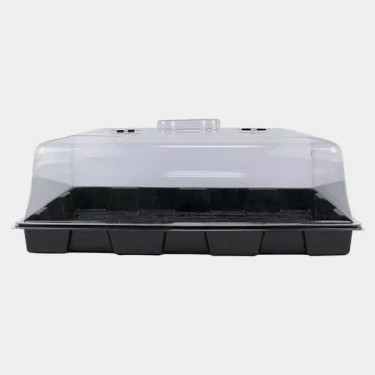
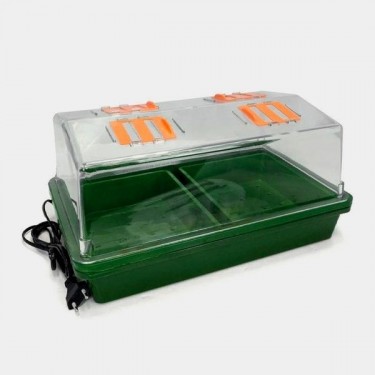
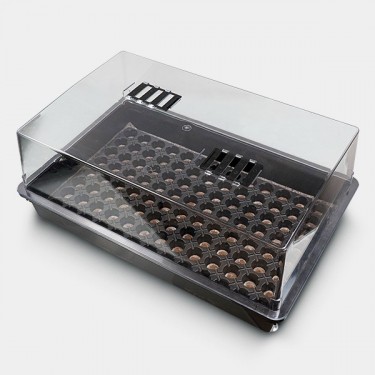
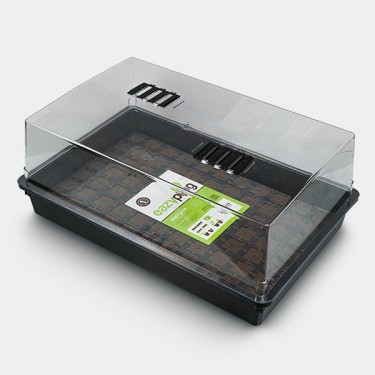
Without a cutting propagator or mini greenhouse with 90% humidity, it is almost impossible for the cuttings to root correctly. Tupperware and homemade solutions do not work the same way.
Failures in maintaining cuttings during rooting
Once the cuttings are made, they need specific care. To maintain them, it is necessary to follow certain guidelines, as there are factors that can affect rooting. Here is everything you should not do if you want them to develop roots successfully:
1. Watering the substrate too early
Once the medium is moistened at the beginning, do not water again until you see roots (around day 10). Excess water can be lethal.
2. Incorrect spraying
Do not spray from above. You should spray under the leaves, outside the greenhouse, and dry off any excess drops before putting them back in.
3. Poor temperature management
Maintain a stable temperature of 22 °C. If it’s cold, they won’t root; if it’s too hot, they will melt. Therefore, it is advisable to use specific heating mats, not conventional electric ones.
4. Lack of ventilation
You should open the propagator lid once a day to ventilate and dry out condensation. If there is water accumulated at the base, it must be removed and dried so that the substrate does not get wet.
5. Excessive spraying
For them to develop correctly, spray every other day and open the lid daily. Constant excess humidity can also cause fungi or rot.
Making cuttings doesn’t have to be complicated if you know the right steps and avoid these mistakes. Before you start, you should keep in mind how to make cuttings step by step and clone your plants successfully. With the right advice, your cuttings will root quickly and strongly.




 Add as preferred source in Google