Personalized Attention +44 151 947 0713
 SHIPPING TO ALL

 9/10 Rating
 SALE TO MINORS PROHIBITED
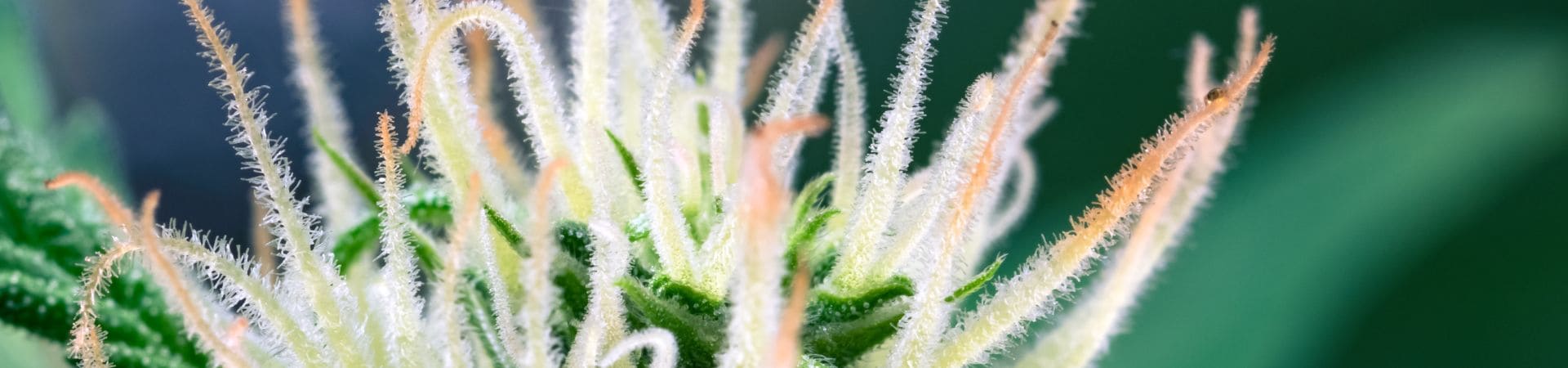
White marijuana is one of those topics that stirs curiosity among cannabis growers and enthusiasts, surrounded by mystery and debate. Some claim to have seen completely pale plants, ghost-like in appearance, while others insist it’s just an exaggerated myth.
Under the name “albino marijuana”, we refer to plants lacking green pigmentation and unable to produce chlorophyll. But is it really possible for cannabis to take on such an unusual appearance? In this article, we’ll explore whether it’s a real phenomenon, a genetic rarity, or simply an urban legend in the cannabis world.
What is white marijuana or albino cannabis?
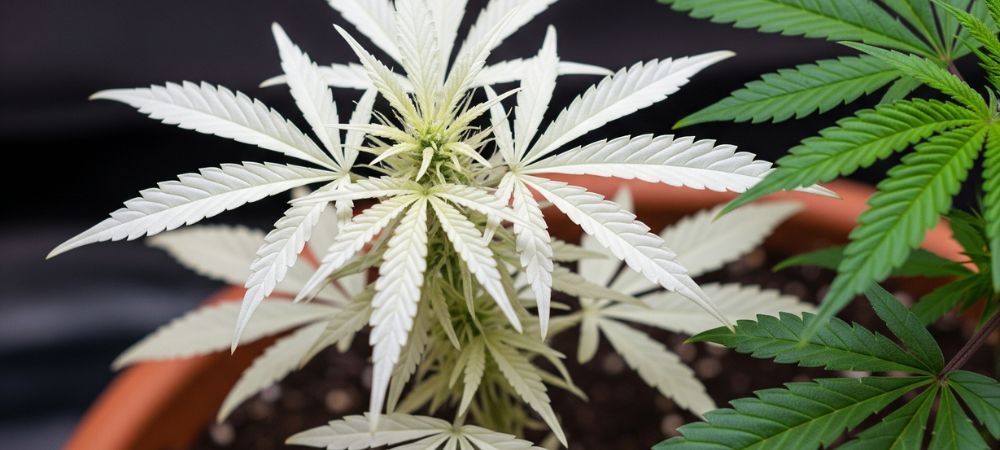
White marijuana, also known as albino cannabis, is a rare phenomenon that captures the attention of both growers and cannabis connoisseurs. These are plants that, instead of developing the typical green tone of cannabis, exhibit leaves and buds that are almost completely white. This unusual look is not due to seasonal color changes or a specific strain, but rather a disruption in chlorophyll production.
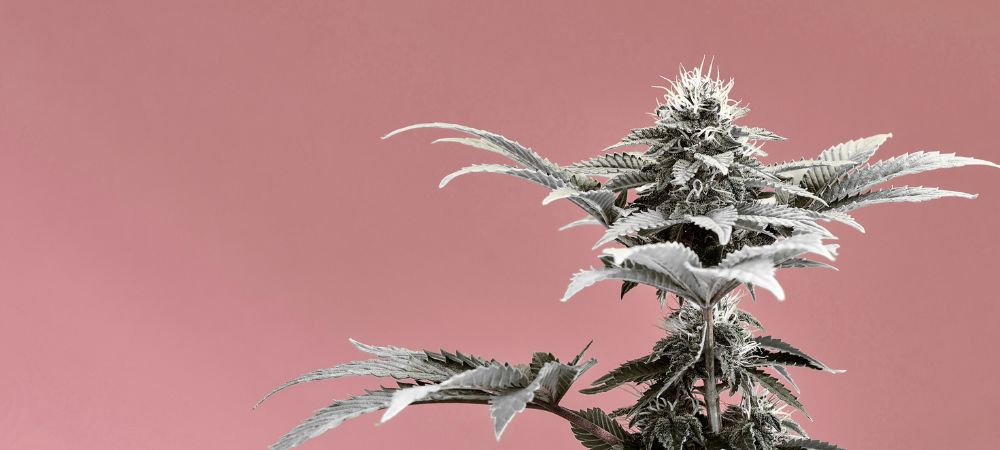
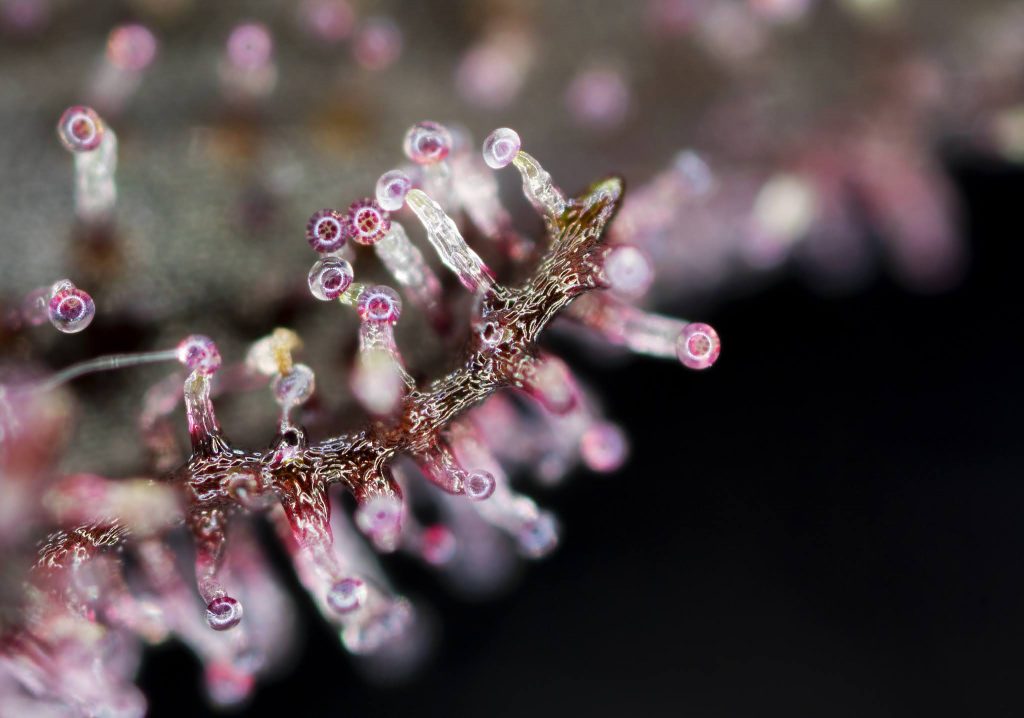
It’s important to distinguish true albino cannabis from well-known “white” strains like White Widow or White Rhino. In those strains, the name refers to the thick layer of trichomes that gives buds and leaves a frosty look, but the plant tissue underneath is still green. In contrast, white marijuana is pale throughout its structure—not because of resin, but due to a lack of pigment.
Visually, albino marijuana can be identified by:
- Whitish or yellowish leaves right from germination.
- Stems lighter than normal.
- Buds with almost no green pigmentation.
Causes of albinism in marijuana plants
White marijuana is a rare and fascinating phenomenon that intrigues both cultivators and cannabis scientists. It involves a partial or complete absence of pigmentation, resulting in white or cream-colored leaves, flowers, and even stems. While this might seem like a deliberate trait from breeders, it’s actually a spontaneous occurrence caused by various factors.
Rare genetic mutations
When you buy cannabis seeds, some may develop albinism due to mutations in the genes responsible for chlorophyll and pigment production. These mutations—either inherited or random—interfere with the plant’s ability to absorb light and perform normal photosynthesis. In extreme cases, white marijuana cannot survive without external support, such as being grafted onto a healthy plant that provides nutrients.
Stress or developmental damage
Stress during crucial phases like germination or vegetative growth can alter tissue formation and pigmentation. Physical damage, aggressive pruning, pests, or diseases affecting young leaves can lead to pigment loss in certain areas, causing white patches on the plant.
Extreme environmental factors
Very low temperatures, intense UV radiation, or sudden humidity changes can influence gene expression and trigger partial albinism. In many cases, this response is temporary, but in some plants, it can persist throughout their life cycle.
For example, prolonged exposure to intense light may cause upper leaves to lose pigment as a protective mechanism—this is often referred to as “bleaching.” Similarly, cold stress or thermal shock can block chlorophyll production entirely.
Extreme environmental factors
Very low temperatures, intense UV radiation, or sudden humidity changes can influence gene expression and trigger partial albinism in cannabis plants. This type of response is usually temporary, although in some cases it can persist throughout the plant’s life cycle. For instance, prolonged exposure to intense light may cause upper leaves to lose pigment as a protective mechanism, a phenomenon known as “bleaching.” Similarly, cold stress or thermal shock can block chlorophyll production entirely.
| Characteristic | White marijuana | White-flowered strains |
|---|---|---|
| Color origin | Genetic mutation or damage that prevents chlorophyll production | Stable genetics and selected phenotypes |
| Photosynthesis | Very limited or nonexistent | Normal |
| Growing viability | Weak, hard to maintain | High and consistent |
| Appearance | Stem and leaves whitish or pale yellow | White buds covered in trichomes |
Common myths and misconceptions
Across social media and online forums, it’s common to find claims that white marijuana is more potent or has “special” properties due to its appearance. However, there’s no scientific evidence to support these claims. Another common mistake is assuming that any plant with pale buds is albino, when in fact most are simply commercial strains with heavy resin production or naturally light phenotypes caused by genetics or environmental conditions.
Does albinism affect potency and flavor?
Albinism in cannabis doesn’t just alter its appearance—it also impacts the plant’s physiology. The absence or extreme reduction of chlorophyll limits the plant’s ability to photosynthesize properly, often resulting in slower growth.
- Impact on chlorophyll and resin production: While chlorophyll itself doesn’t directly affect resin production, it’s vital for the plant’s overall energy metabolism. Albino cannabis, due to its inability to absorb sunlight efficiently, may allocate fewer resources to producing trichomes and cannabinoids.
- Possible effects on cannabinoids and terpenes: Reduced energy synthesis can lead to lower THC and CBD levels. Likewise, terpene production may suffer, resulting in less intense aroma profiles with milder and less persistent notes.
- Grower opinions: In grower communities and forums, experiences vary. Some claim that albinism significantly reduces potency and flavor, while others argue that with supplemental lighting and specialized nutrition, differences can be minimized.
Can you intentionally grow white marijuana?
Successfully growing white marijuana on purpose is one of the most difficult challenges in cannabis cultivation. Albinism in cannabis is neither stable nor predictable; it’s typically caused by spontaneous genetic mutations or developmental anomalies, and cannot be reliably replicated through standard breeding.
- The main challenge lies in the lack of chlorophyll. Without this pigment, albino cannabis cannot perform photosynthesis effectively, which limits its growth and survival. Even partial albino plants experience stunted development and typically low yields. Additionally, the mutation is not easily inherited, so germinating seeds from an albino plant rarely results in albino offspring.
- In indoor grows, full control over lighting, temperature, and humidity may help extend the life of an albino plant, but doesn’t guarantee long-term viability. Outdoors, chances are even lower due to sunlight exposure and more variable conditions.
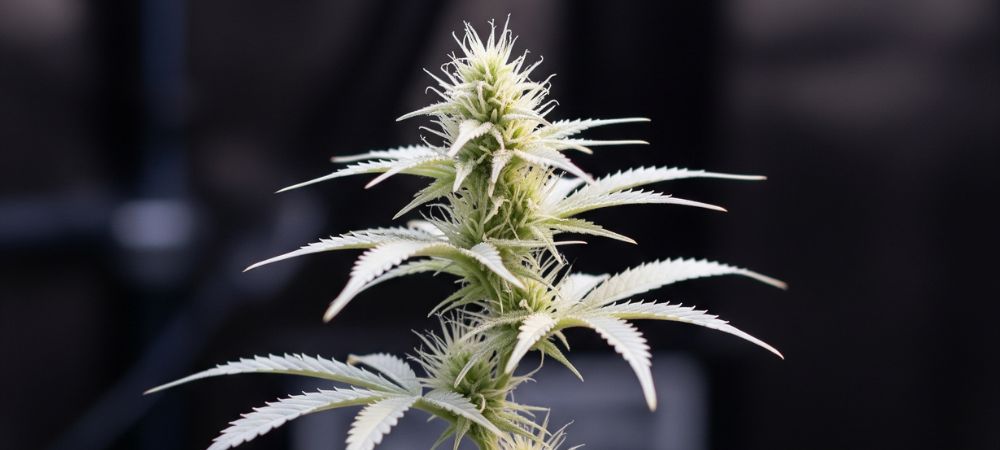
Therefore, white marijuana is not a cultivable “type” or stable genetic line—it’s a rare and generally non-viable phenomenon that appears sporadically and usually performs poorly. So yes, there’s a bit of truth behind the idea, but most of it is myth, confusion, and marketing hype.



 Add as preferred source in Google