Personalized Attention +44 151 947 0713
 SHIPPING TO ALL

 9/10 Rating
 SALE TO MINORS PROHIBITED
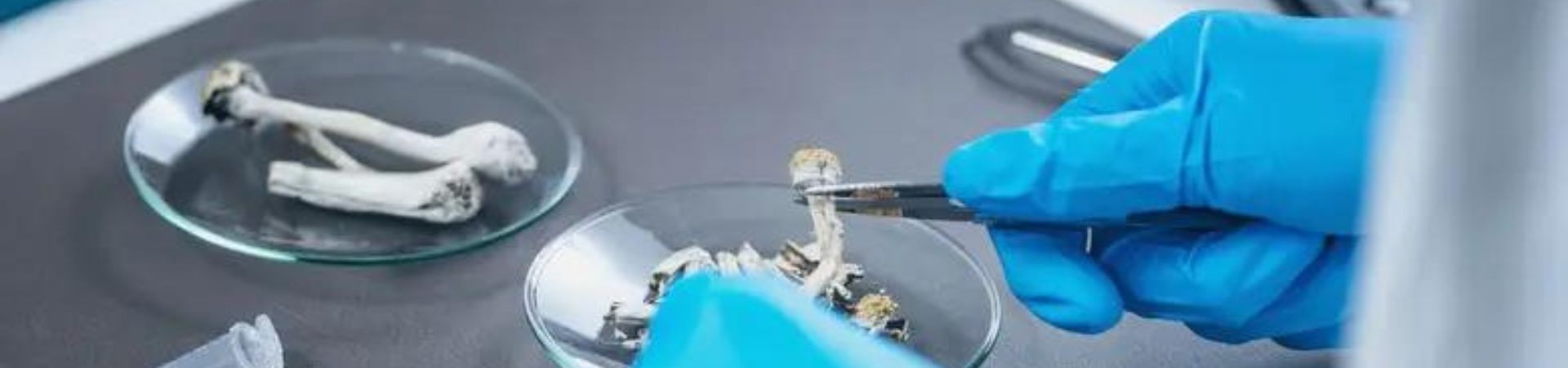
Psilocybin is the active ingredient in most species of magic mushrooms from the Psilocybe genus. It belongs to the group of psychedelic or entheogenic substances, known for their ability to alter states of consciousness. Historically, it has been used for mystical or religious ceremonies, or for sessions resembling hypnosis. It is often considered an alternative to hypnosis or a substitute for opiates. The comparison of psilocybin to hypnosis might be exaggerated, but it underscores psilocybin’s capability to alter the perception of reality.
Which magic mushrooms contain psilocybin?
As mentioned above, psilocybin is the main active molecule in magic mushrooms of the Psilocybe genus. Among them are some of the most commonly consumed hallucinogenic mushrooms. Notably, Golden Teacher, the 100% Mexican mushroom, B+ mushroom, Amazonian, McKennaii, Mazatapec, Cambodia, Ban Hua Thai, and Thai. It is important to note that this substance is not only present in Psilocybe mushrooms but also in other mushroom species. The psilocybin content varies depending on the type of mushroom. Additionally, there are species of magic mushrooms that contain other entheogenic substances, like muscimol and ibotenic acid, found in the Fly Agaric (Amanita muscaria)
Psilocybin is the active ingredient in most species of magic mushrooms from the Psilocybe genus. It belongs to the group of psychedelic or entheogenic substances, known for their ability to alter states of consciousness. Historically, it has been used for mystical or religious ceremonies, or for sessions resembling hypnosis. It is often considered an alternative to hypnosis or a substitute for opiates. The comparison of psilocybin to hypnosis might be exaggerated, but it underscores psilocybin’s capability to alter the perception of reality.
Which Magic Mushrooms contain psilocybin?
As mentioned above, psilocybin is the main active molecule in magic mushrooms of the Psilocybe genus. Among them are some of the most commonly consumed hallucinogenic mushrooms. Notably, Golden Teacher, the 100% Mexican mushroom, B+ mushroom, Amazonian, McKennaii, Mazatapec, Cambodia, Ban Hua Thai, and Thai. It is important to note that this substance is not only present in Psilocybe mushrooms but also in other mushroom species. The psilocybin content varies depending on the type of mushroom. Additionally, there are species of magic mushrooms that contain other entheogenic substances, like muscimol and ibotenic acid, found in the Fly Agaric (Amanita muscaria) .
How does psilocybin affect our body?
When talking about psilocybin, one immediately thinks of the hallucinations commonly associated with consuming hallucinogenic mushrooms. However, this substance has a wide range of health benefits. After ingesting a magic mushroom or its sclerotia, also known as truffles, psilocybin converts into psilocin. Psilocin can activate serotonin receptors, which some call the “happiness hormone.” This is why psilocybin is often compared to serotonin, known for its mood-regulating role, as well as dopamine.
Moreover, psilocybin is believed to increase dendrites, which are extensions of neurons shown to play a major role in information processing. Through a complex process, this helps individuals rid themselves of dark thoughts and chase away negative thoughts. Consequently, psilocybin is credited with the ability to combat anxiety and depression.
Is Mushroom Psilocybin a drug?
Furthermore, psilocybin from mushrooms also produces other effects, similar to those caused by other mild drugs. These effects include feelings of euphoria and its ability to foster introspection. Psilocybin can cause adverse effects in vulnerable individuals during their life or at the time of ingestion. In fragile individuals, consuming psilocybin might trigger panic attacks, prolonged schizophrenia or paranoia, palpitations, and even suicidal tendencies. Hence, the notion that it is a potentially dangerous drug remains deeply ingrained.
It is important to note that the effects of psilocybin ingestion will be influenced by various factors, such as the consumer’s environment and state of mind. The behavior and familiarity of accompanying individuals will directly impact their experience.
Future perspectives
Currently, psilocybin is not legal in France, even in the health sector, as it is listed as a narcotic under the 1961 United Nations Convention. The sale, possession, and consumption of psilocybin are prohibited by law. This ban also extends to the health sector, so there are no authorized psilocybin-based medications in France. However, recent laboratory studies have uncovered its health benefits, offering promising prospects. In a society that is breaking down stereotypes about alternative therapies and natural remedies, mushrooms and truffles containing psilocybin likely have a bright future.
Therapeutic consumption modes of Psilocybin
Some believe that microdosing, which can be administered in capsule form, could be a first step towards legalization. Microdosing allows one to enjoy the benefits of psilocybin without the risk of addiction, as the psychotropic effects remain negligible.
If research and clinical trials yield conclusive results, its legalization in the medical field could be considered initially. This might eventually lead to a controlled commercialization system. However, a long journey lies ahead. This would first involve a lengthy drug marketing authorization process, accompanied by extensive awareness campaigns.
Nevertheless, let’s not kid ourselves; most people consuming psilocybin do so primarily for recreational purposes. However, in most cases, it does not lead to the dreaded bad trip but rather to a state of well-being and enhanced creativity. Although it still often has a bad reputation, the line between its recreational and medicinal use is thin, and it proves to be extremely beneficial for mental health.

Golden Teacher

B+

Mazatapec
How does psilocybin affect our body?
When talking about psilocybin, one immediately thinks of the hallucinations commonly associated with consuming hallucinogenic mushrooms. However, this substance has a wide range of health benefits. After ingesting a magic mushroom or its sclerotia, also known as truffles, psilocybin converts into psilocin. Psilocin can activate serotonin receptors, which some call the “happiness hormone.” This is why psilocybin is often compared to serotonin, known for its mood-regulating role, as well as dopamine.
Moreover, psilocybin is believed to increase dendrites, which are extensions of neurons shown to play a major role in information processing. Through a complex process, this helps individuals rid themselves of dark thoughts and chase away negative thoughts. Consequently, psilocybin is credited with the ability to combat anxiety and depression.
Is mushroom psilocybin a grug?
Furthermore, psilocybin from mushrooms also produces other effects, similar to those caused by other mild drugs. These effects include feelings of euphoria and its ability to foster introspection. Psilocybin can cause adverse effects in vulnerable individuals during their life or at the time of ingestion. In fragile individuals, consuming psilocybin might trigger panic attacks, prolonged schizophrenia or paranoia, palpitations, and even suicidal tendencies. Hence, the notion that it is a potentially dangerous drug remains deeply ingrained.
It is important to note that the effects of psilocybin ingestion will be influenced by various factors, such as the consumer’s environment and state of mind. The behavior and familiarity of accompanying individuals will directly impact their experience.
Future perspectives
Currently, psilocybin is not legal in France, even in the health sector, as it is listed as a narcotic under the 1961 United Nations Convention. The sale, possession, and consumption of psilocybin are prohibited by law. This ban also extends to the health sector, so there are no authorized psilocybin-based medications in France. However, recent laboratory studies have uncovered its health benefits, offering promising prospects. In a society that is breaking down stereotypes about alternative therapies and natural remedies, mushrooms and truffles containing psilocybin likely have a bright future.
Therapeutic consumption modes of psilocybin
Some believe that microdosing, which can be administered in capsule form, could be a first step towards legalization. Microdosing allows one to enjoy the benefits of psilocybin without the risk of addiction, as the psychotropic effects remain negligible.
If research and clinical trials yield conclusive results, its legalization in the medical field could be considered initially. This might eventually lead to a controlled commercialization system. However, a long journey lies ahead. This would first involve a lengthy drug marketing authorization process, accompanied by extensive awareness campaigns.
Nevertheless, let’s not kid ourselves; most people consuming psilocybin do so primarily for recreational purposes. However, in most cases, it does not lead to the dreaded bad trip but rather to a state of well-being and enhanced creativity. Although it still often has a bad reputation, the line between its recreational and medicinal use is thin, and it proves to be extremely beneficial for mental health.


 Add as preferred source in Google