Personalized Attention +44 151 947 0713
 SHIPPING TO ALL

 9/10 Rating
 SALE TO MINORS PROHIBITED


Blue marijuana has become one of the most searched terms in the cannabis world, especially among those visiting a grow shop for the first time or looking to try something “different.”
Although the name suggests deep blue buds, the reality is more interesting: we are talking about specific cannabis genetics and natural pigments that can produce bluish, violet, or purple hues. In this article, we explain exactly what blue marijuana is, why it has become so popular in the U.S. market, and how to identify it without falling for myths or misconceptions.
What does “Blue Marijuana” really mean?
The term blue marijuana does not describe a new species or an artificially dyed plant. In practice, it refers to cannabis strains that can develop blue or purple tones, especially in their leaves and buds, due to their genetics and specific growing conditions.

In most grow shops and seed banks, this term is commonly associated with the so-called Blue family, a group of genetics famous for their striking appearance, fruity aromas, and strong bag appeal.
The origin of Blue Cannabis: anthocyanins and genetics
To understand why blue marijuana exists, we need to talk about anthocyanins. These are natural pigments found in many plants (such as blueberries, grapes, and red cabbage) and also in cannabis.
What are anthocyanins?
Anthocyanins are responsible for colors ranging from red to violet and deep blue. In cannabis, they only appear significantly if the genetics allow it. The environment can enhance or reduce their expression. Beyond aesthetics, anthocyanins also help plants absorb excess light and protect against ultraviolet radiation.
In other words, without the right genetics, there is no true blue marijuana, no matter how much you modify the growing conditions.
The role of climate and growing conditions in blue marijuana
Although genetics are essential, the environment influences how the color is expressed.
Cooler temperatures
During the flowering stage, especially at night, slightly lower temperatures can encourage the development of blue or purple hues. This happens because cooler conditions reduce chlorophyll levels, allowing other pigments to become more visible.
Other influencing factors
- Light: intensity and spectrum can affect color perception.
- pH and nutrition: balanced cultivation helps maintain clean, natural coloration.
- Controlled stress: while excessive stress is harmful, mild environmental changes can intensify certain hues.
Warning: when the color indicates an issue
Not every bluish tone is desirable. In some cases, dark blue or purple leaves may indicate nutrient deficiencies, especially phosphorus deficiency.
| How to Distinguish Genetic Color vs. Deficiency | ||
|---|---|---|
| What You Observe | Possible Cause | What to Do |
| Purple / blue tones in buds and upper leaves | Genetics + cold temperatures | Maintain stable growing conditions |
| Bluish lower leaves and slow growth | Phosphorus deficiency | Review fertilization program |
| Purple stems with dull leaves | Stress or nutrient lockout | Adjust pH and nutrients |
This is essential to avoid confusing visually appealing blue marijuana with a plant that is actually struggling.
The Blue Family: The true heart of blue marijuana
When people talk about blue marijuana, they are usually referring to the Blue family, a historic genetic line within modern cannabis.

DJ Short and the Legendary Blueberry
The origins of Blueberry, developed by DJ Short in the 1970s, are the foundation of this genetic family. This strain was created by crossing Purple Thai and Thai genetics. Blueberry quickly stood out for:
- Striking colors.
- Sweet, fruity aromas.
- A very distinctive identity.
Since then, numerous “Blue” crosses and descendants have emerged, maintaining that original essence. Many modern strains labeled “Blue” may not descend directly from Blueberry but use the name due to their similar aroma or coloration.
Why blue marijuana is taking the spotlight
The popularity of blue marijuana is no coincidence and reflects several clear trends in today’s cannabis market.
Aesthetics and “Bag appeal”
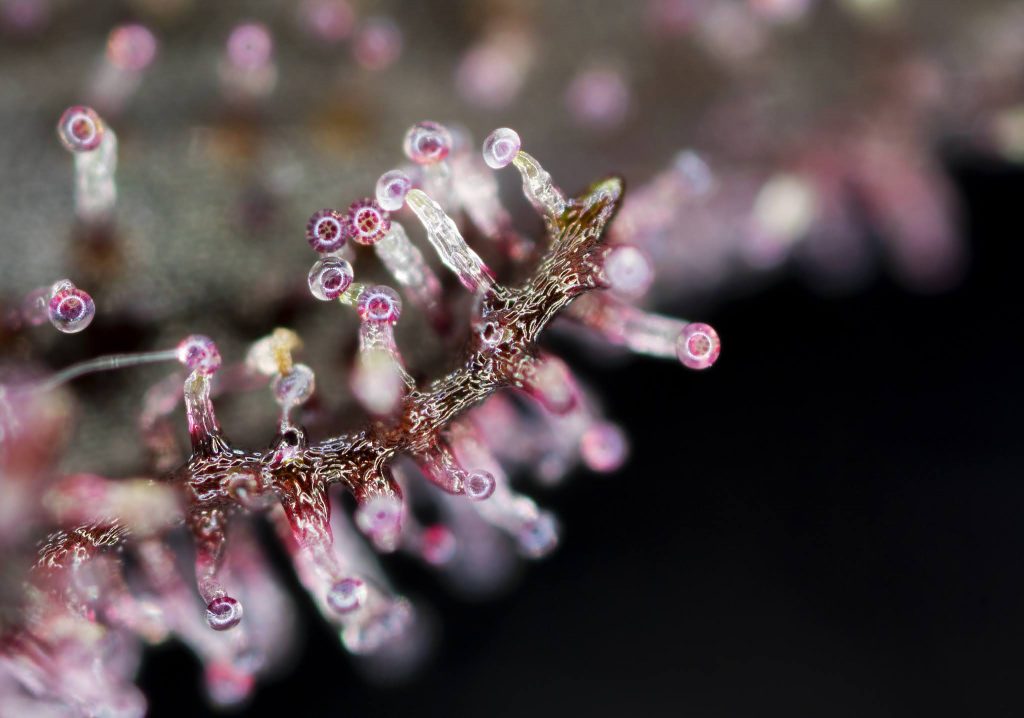
In an increasingly visual industry, unusual colors immediately attract attention. “Bag appeal” refers to the visual attractiveness of cannabis buds, highlighting their dense structure, resin coverage, crystal-like trichomes, and vibrant hues.
Association with fruity flavors
Many Blue genetics are associated with sweet and fruity notes, something highly sought after by experienced consumers in the United States.
Well-known strains associated with blue marijuana
Without creating strict rankings (since results depend on breeder and phenotype), these are some common strain names and families when searching for blue marijuana:
| Strain / Family and Key Traits | ||
|---|---|---|
| Strain / Family | Key Trait | Difficulty |
| Blueberry | Classic fruity aroma | Moderate |
| Blue Dream | Balance and productivity | Moderate |
| Blue Mystic | Soft purple tones | Easy |
| Modern “Blue” Crosses | Color and strong bag appeal | Variable |
The final color can vary even within the same strain depending on the phenotype.
How to enhance blue tones without ruining your grow
If your goal is to naturally and safely enhance blue marijuana coloration:
- Start with the right genetics (Blue family strains).
- Control the nighttime climate during flowering.
- Maintain balanced nutrition without forcing deficiencies.
- Avoid “extreme tricks” that could compromise plant health.
At a grow shop like GB The Green Brand, this means proper environmental control, reliable meters, and accurate fertilization practices.

Blue marijuana is not a myth, but it is not a magically bright blue plant either. It is the result of specific genetics, natural pigments, and well-managed cultivation. Its popularity stems from both its unique aesthetics and the legacy of the Blue family. With accurate information and a realistic approach, blue marijuana is an attractive option for those seeking something distinctive within today’s cannabis market.
FAQs sobre marihuana azul
¿La marihuana azul es siempre azul intenso?
¿Todas las semillas “Blue” dan plantas azules?
¿El color azul cambia la potencia?
¿Puedo conseguir marihuana azul en exterior?
¿El secado y curado afectan al color?
¿Cómo potenciar los tonos azulados sin arruinar el cultivo?
• Empieza por la genética adecuada (familia Blue).
• Controla el clima nocturno durante la floración.
• Mantén una nutrición equilibrada, sin forzar carencias.
• Evita “trucos extremos” que comprometan la salud de la planta.
La clave está en combinar buena genética, control ambiental y un manejo equilibrado del cultivo.