Personalized Attention +44 151 947 0713
 SHIPPING TO ALL

 9/10 Rating
 SALE TO MINORS PROHIBITED

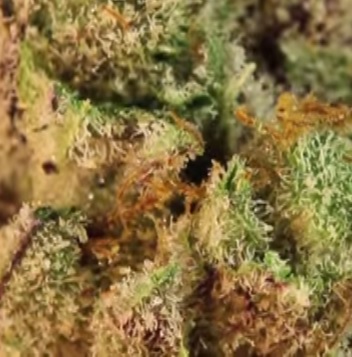
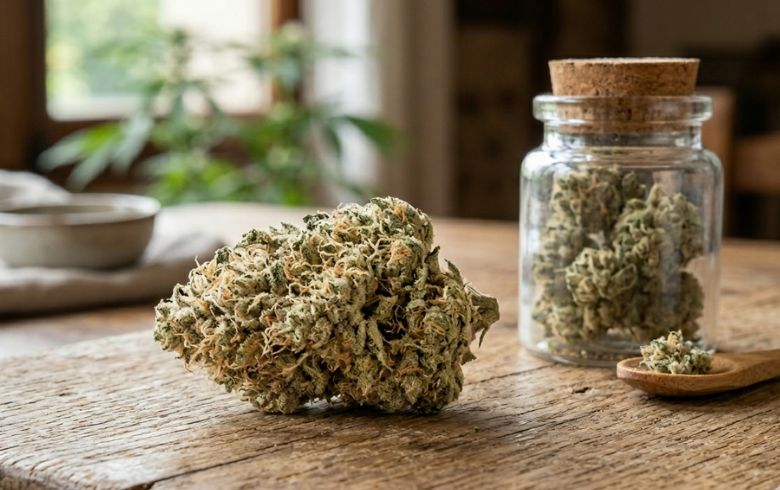
Some of the most frequent expressions to describe buds’ appearance are “frosty”, “buds full of resin glands”or “sticky and resinous calyxes”. Of course, they can be described in plenty of other ways, depending on the imagination and experience of growers, but the truth is that cannabis trichomes are one of the most polyvalent elements that this plant has. They are the ones in charge of producing cannabinoids and terpenes and play a transcendental part when it comes to guaranteeing the survival of cannabis plants.
Cannabis Trichomes: What are they?
First of all, it’s worth clarifying that trichomes are not only present in marijuana plants, they are common in other types of plants such as alfalfa, mauve or nettles among others. They are delicate filaments or glands located in the epidermis of the plant. These excrescences, also known as resins or thin hairs (in a colloquial way) grow on the flowers and on leaves and can be unicellular or multicellular.
Trichomes’ shape is similar to fungi, the stem stays still holding a circular bulb. You can only observe them using professional tools or magnifying lenses as their size is minuscule at approximately 50-100 microns. Regarding their vital cycle, although cannabis plants develop trichomes throughout the different growth and flowering phases, the key is in the last generative phase, which is when strains form their precious buds.

The flowering phase starts with the formation of the first filaments. When the plant starts producing flowers, trichomes multiply exponentially and serve as a vehicle to plastids and vacuoles. The metabolization of its cells starts at this moment, resulting in the production of cannabinoids and terpenes. Trichomes’ size and amount depends on the cannabis strain and its surrounding environmental conditions.
What are the Functions of Cannabis Trichomes?
Cannabis trichomes main function is to protect plants against external factors, such as inadequate UV rays exposition. Excessive ultraviolet light can be very damaging for plants. Trichomes absorb it and turn it into a greater resin content. They also act as a defense mechanism against all sorts of insect plagues and animals; their bitter flavor is a deterrent.
They provide protection against environmental factors such as strong winds or act as a fungi neutralizer. Trichomes also prevent bud from drying too much in locations with very low hygrometric values. And last but not least important, these glands are in charge of producing terpenes and cannabinoids, which means that strains flavors, aromas and effects will depend greatly on their proper ripeness.

Types of Trichomes
Trichomes are volatile filaments that feature multiple shapes, colors and cellular structures. This section is going to classify the different resin glands types; which divide into three fundamental groups : bulbous, capitate-sessile and capitate-stalked
These are the most common types
- Bulbous trichomes: Without a doubt, the smallest ones as they are only 10 microns wide. They grow on the lowest part of the plant. These microscope trichomes don’t have a stem and develop by joining two cells in one head. They can show up in one glandular head with different elements.
- Capitate-sessile trichomes: A bit larger than bulbous, measuring 20-30 microns, which still makes them hard to observe without professional tools. They have secretory cells on the bottom of their glandular head, which is where cannabinoids and essential oils are stored.
- Capitate-stalked trichomes: These ones feature larger filaments and are in charge of producing cannabinoids like THC and CBD, among others. They measure between 200-300 microns in height and around 50-100 microns wide; therefore you can see them at a glance, although it’s nice to use a microscope to enjoy their beauty in detail. They are formed by an epidermal cell stem and a ball-shaped head. Their coloring changes from white to amber and reddish as they mature.
- Simple unicellular trichomes: The first ones, as they come up in the cotyledons. They normally form on the back of the leaves and protect plants against high temperatures, making sure they don’t lose too much water.
- Cystolithic trichomes: Very similar to unicellular trichomes and also present from the very early stages of the plant’s life. They are a bit bigger and have different protuberances within their cellular tissues. This characteristic gives them a rough texture that serves as protection against predators due to its deterrent effect.

Harvest according to Trichomes Coloring
One of the most recurrent doubts rookie cannabis growers have is when is the best moment to harvest marijuana plants. Most feminized cannabis seeds banks provide an approximate length of time after which their examples should be trimmed; but the truth is that multiple factors could affect the plant’s maturity. For this reason, an infallible method is to pay attention to trichomes’ coloring, as they are in charge of the production of cannabinoids and terpenes, responsible for the organoleptic properties of each strain.
If trichomes are transparent, it means that plants aren’t ripe enough for harvest. If they are looking milky or whitish, they are at their best moment regarding psychoactive activity. Sativa strains should be harvested at this moment in order to obtain the most energizing, euphoric and positive effects on a cerebral level.
If the crop isn’t harvested, trichomes start turning a honey coloring, which means that THC levels are decreasing and CBD levels increasing. This is a good moment to trim indica dominant strains in order to obtain well-balanced physical and mental effects.
When trichomes are amber, narcotic and sedative effects will be stronger as THC will be lower. This will be the perfect harvesting moment for medicinal marijuana strains as the smoke will be softer. However, if trichomes are black it means that they are completely degraded and their consumption won’t provide any effects. Sometimes trichomes can be red, especially in strains with purple and violet flowers.
Advice on Trichomes Preservation
The main mistake growers make is trimming the plant before trichomes are ready. Trimming ahead of time could result in worse quality buds regarding cannabinoids, terpenes, flavors or scents.
We’d like to emphasize on the importance of drying and curing cannabis properly. Trichomes continue maturing after harvest and inadequate conditions could mean a faster degradation of terpenes and cannabinoids.
Inadequate light exposition, excessive ripeness and contact with filaments (don not over-handle) are all risk factors worth taking into account. Different professional tools are helpful to observe how these precious resin glands develop throughout the vital cycles of the plant; such as microscopes and magnifying glasses, which we are going to address hereunder.
Microscopes and Magnifying Lenses for Marijuana Trichomes
Marijuana cultivation is a careful task that requires precision, patience and constant observation of the different stages of the plants. The different professional tools available in the market, like microscopes and magnifying, lenses are handy to detect fungi and insect plague infestations; and also to control trichomes’ coloring in order to know the best moment to harvest the crop.

GB The Green Brand shops and online store feature a wide catalogue of professional tools that will guarantee a detailed analysis of resin glands. For example the 60-100x Lumangny Mini LED Microscope is a high precision device that incorporates light emitting diodes to improve trichomes visualization. Other good options are the Magnifying glass 10X, very easy to use, or the USB Microscope, which allows you to take pictures and videos of the buds.