Personalized Attention +44 151 947 0713
 SHIPPING TO ALL

 9/10 Rating
 SALE TO MINORS PROHIBITED
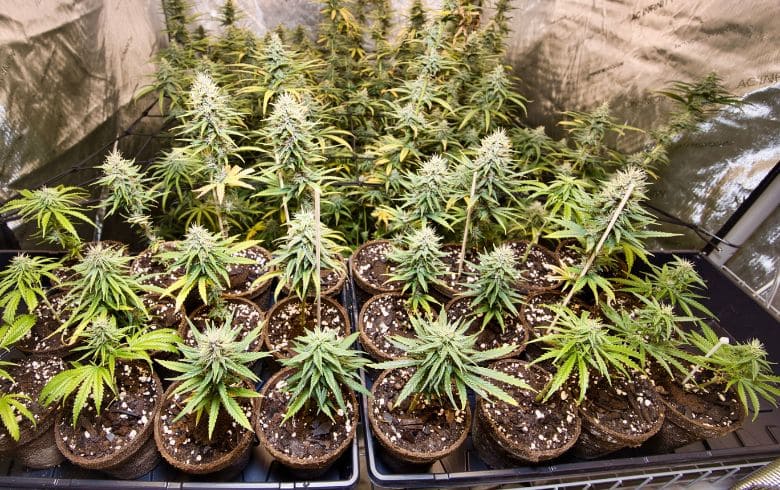
Choosing the best fertilizer for indoor plants is key, especially in the case of cannabis. Unlike plants grown outdoors, indoor plants rely exclusively on the nutrients they receive through the substrate or irrigation water. Without proper nutrition, they can show deficiencies that affect their development and yield.
A quality fertilizer not only promotes vigorous growth and flower production, but it also strengthens the plant’s resistance to pests and diseases. Below, you will discover which is the best fertilizer for indoor plants and how to apply it correctly to obtain the best results.
Why fertilizer is important for your indoor grow
Plants grown indoors do not have access to the natural resources of outdoor soil, so they depend entirely on the nutrients you provide them. Proper fertilization ensures optimal development and avoids problems such as yellow leaves, weak stems, or poor flower production. Furthermore, the type of fertilizer for indoor plants you choose will influence the final quality of the harvest, especially in crops like cannabis, where flavors and aromas can be affected by excess mineral salts.
How to choose the best fertilizer for indoor plants
To select the best fertilizer for indoor plants, it is important to consider several factors:
- Type of crop. Not all fertilizers work the same for every plant. Some species need more nitrogen, while others require more phosphorus or potassium.
- Life cycle phase. Nutritional needs change between growth and flowering. During the vegetative phase, plants require nitrogen to develop leaves and stems, while in flowering they need more phosphorus and potassium to produce flowers and fruits.
- pH and EC. An imbalance in these values can block nutrient absorption. Maintaining the proper pH (between 5.8 and 6.5 in cannabis crops) and controlling electrical conductivity (EC) avoids problems of deficiencies or excesses.
- Organic or mineral. Organic fertilizers improve soil microbiology and provide nutrients naturally, while mineral ones offer more immediate and precise results.

Types of fertilizers for indoor cannabis
There are different types of fertilizers, each with its own characteristics and benefits. Choosing the right one will depend on your needs and the type of crop you are growing.
Organic fertilizers
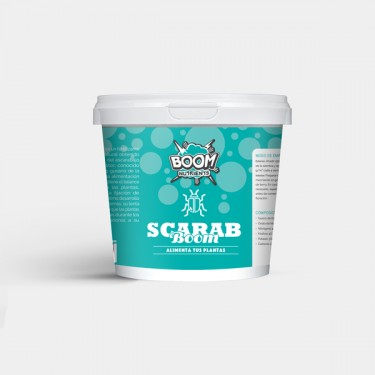
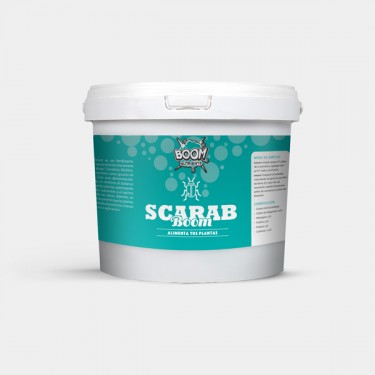
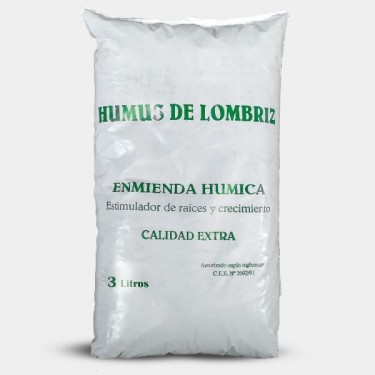
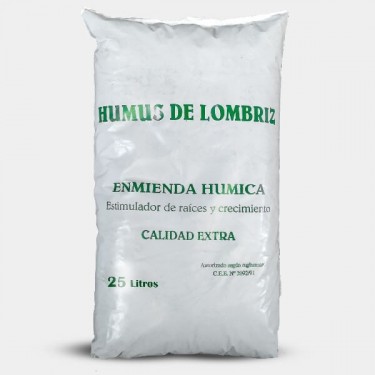
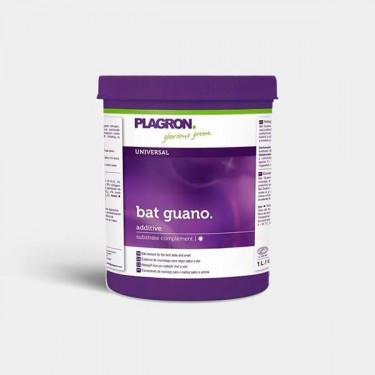
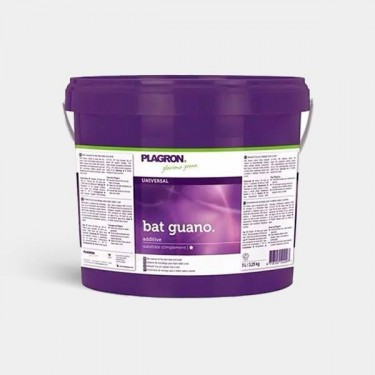
Organic fertilizers are an excellent option for those looking for sustainable and environmentally friendly solutions. They are composed of natural materials that provide nutrients, improve soil structure, and promote microbial biodiversity. These types of fertilizers are very interesting because they contribute to the production of more intense aromas and flavors in the buds. Some recommended options are worm castings, bat guano, homemade compost, and aerated compost teas.
Mineral fertilizers
Mineral fertilizers contain nutrients in easily assimilable forms, which allows for precise control over plant feeding. They do not improve soil structure, but they have advantages such as their immediate effect and the ease of adjusting the dosage. They can help produce flowers in less time, but if used in excess, they can cause salt accumulation in the substrate and affect the final quality of the crop.
Liquid vs. solid fertilizers: which one to choose?
The choice between liquid and solid fertilizers will depend on your preferences and the type of crop you are growing. Not only does the format change, but so do the effects.
- Liquid fertilizers: they are ideal for hydroponic crops or for correcting deficiencies quickly. They dissolve in irrigation water and are absorbed immediately.
- Solid fertilizers: they release nutrients slowly and over a long period, which makes them perfect for soil crops. However, their application requires more care to avoid overdosing.
Essential nutrients for a successful crop
Plants need a variety of nutrients to grow and develop correctly. These are divided into macronutrients and micronutrients, each with a specific role in plant development. Therefore, the best fertilizer for indoor plants is one that provides the nutrients they need at each stage of growth.
Macronutrients
Macronutrients are those that plants need in larger quantities.
- Nitrogen (N): essential for vegetative growth, as it promotes the development of leaves and stems.
- Phosphorus (P): crucial for root and flower formation.
- Potassium (K): improves plant resistance and harvest quality.
Micronutrients
Although they are needed in smaller quantities, micronutrients are just as important.
- Iron (Fe): essential for photosynthesis.
- Zinc (Zn): important for leaf growth and development.
- Manganese (Mn): participates in chlorophyll formation.
| Nutrient | Function in the plant |
|---|---|
| Nitrogen (N) | Promotes vegetative growth, development of leaves and stems. |
| Phosphorus (P) | Stimulates root development and the production of flowers and fruits. |
| Potassium (K) | Improves resistance to pests and diseases, strengthens cellular structure. |
| Calcium (Ca) | Strengthens cell walls and prevents deficiencies such as blossom-end rot. |
| Magnesium (Mg) | Key component of chlorophyll, essential for photosynthesis. |
| Sulfur (S) | Contributes to protein formation and plant metabolism. |
| Iron (Fe) | Essential for chlorophyll production and photosynthesis. |
| Zinc (Zn) | Promotes growth and the formation of plant hormones. |
| Copper (Cu) | Participates in enzyme formation and photosynthesis. |
| Manganese (Mn) | Helps in enzymatic activation and photosynthesis. |
| Boron (B) | Important for cell division and seed formation. |
| Molybdenum (Mo) | Facilitates nitrogen assimilation in the plant. |
How to know if a plant has a nutrient deficiency or overdose
It is very important to know how to identify nutritional problems in time to correct them before they affect the plant’s growth. Nutritional imbalance can manifest in different ways in plants.

Symptoms of nutrient deficiency
If a plant shows the following signs, it is possible that it lacks a specific nutrient.
- Nitrogen (N). Leaves turn yellow on the lower parts of the plant, growth becomes slow, and stems weak.
- Phosphorus (P). Purple or reddish spots appear on stems and leaves, growth is stunted, and there is poor root formation.
- Potassium (K). Leaf edges look burnt or dry. Additionally, the plant has lower resistance to pests and diseases.
- Iron (Fe). New leaves develop chlorosis (yellowing), while the veins remain green.
- Calcium (Ca). Malformations occur in young leaves and necrotic spots in older ones.
Symptoms of nutrient excess
Excess nutrients can damage the plant just as much as a deficiency. These are some symptoms of nutritional overdose.
- Excess nitrogen. Leaves become too green and thick; there is also a delay in flowering and possible toxicity.
- Excess phosphorus. Blockage of other nutrients such as calcium and magnesium, leaves with burnt tips.
- Excess potassium. Absorption of magnesium and calcium is blocked. Leaves with necrosis may appear.
Here is a chart with all the symptoms of deficiency and excess so you can consult it at a quick glance:
| Nutrient | Deficiency (Symptoms) | Overdose (Symptoms) |
|---|---|---|
| Nitrogen (N) |
– Yellowing old leaves (chlorosis). – Slow and weak growth. – Lower leaves fall prematurely. |
– Intense dark green leaves. – Excessive leaf growth, but weak and brittle. – Leaf tips may burn (necrosis). |
| Phosphorus (P) |
– Dark green or purple leaves. – Slow growth and poorly developed roots. – Lower leaves may turn brown and dry out. |
– Blockage of other nutrients, such as zinc and iron. – Leaves with burnt tips and curled edges. – Secondary micronutrient deficiencies. |
| Potassium (K) |
– Yellowish or burnt leaf edges (marginal necrosis). – Curled or rolled leaves. – Weak stems susceptible to diseases. |
– Excess salts in the substrate, which blocks the absorption of other nutrients. – Leaves may show brown spots or burns. – Slow growth and damaged roots. |
| Calcium (Ca) |
– Deformed new leaves or curled edges. – Burnt leaf tips and stunted growth. – Poorly developed roots susceptible to rot. |
– Blockage of magnesium and potassium. – Leaves may become dark and brittle. – Slow growth and secondary deficiencies. |
| Magnesium (Mg) |
– Chlorosis in old leaves (yellowing between veins). – Leaves may become brittle and fall off. – Slow growth and poor flowering. |
– Blockage of calcium and potassium. – Leaves may show brown spots or burns. – Slow growth and damaged roots. |
| Iron (Fe) |
– Chlorosis in new leaves (yellowing between veins). – Leaves may become almost white in severe cases. – Stunted growth and weak roots. |
– Leaves may become dark and brittle. – Blockage of manganese and zinc. – Slow growth and secondary deficiencies. |
| Zinc (Zn) |
– Small and deformed leaves. – Chlorosis between veins in new leaves. – Stunted growth and short internodes. |
– Blockage of iron and manganese. – Leaves may become dark and brittle. – Slow growth and secondary deficiencies. |
| Manganese (Mn) |
– Chlorosis between veins in new leaves. – Leaves may turn yellow with brown spots. – Slow growth and poor flowering. |
– Brown spots on leaves. – Blockage of iron and zinc. – Slow growth and damaged roots. |
| Boron (B) |
– Deformed and brittle new leaves. – Hollow stems and poorly developed roots. – Poor flowering and deformed fruits. |
– Leaves may turn yellow and fall prematurely. – Slow growth and secondary deficiencies. – Necrosis on leaf tips. |
How to correct deficiencies and excesses
If a possible deficiency is detected, the most important thing is to act as soon as possible and adjust the fertilizer according to the specific need and, at the same time, improve absorption by calibrating the pH.
If we believe an overdose is occurring, it is highly recommended to perform one or more root flushes with distilled water and reduce the fertilizer dose in the next watering. In this article, we explain how to perform a root flush on marijuana plants.
The best fertilizer for indoor plants at each stage of the crop
The type of fertilizer you use will depend on the phase the plant is in. Each stage has specific nutritional requirements that will influence its development and final production.
Fertilizers for the vegetative growth phase
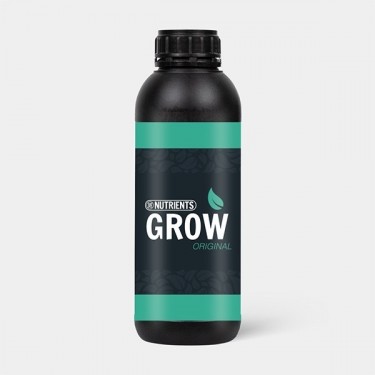
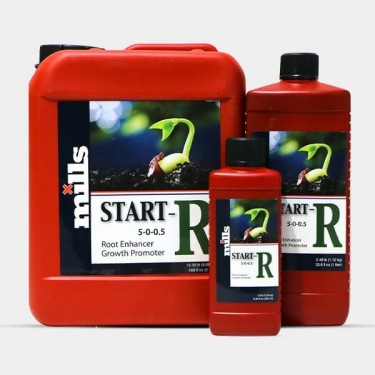
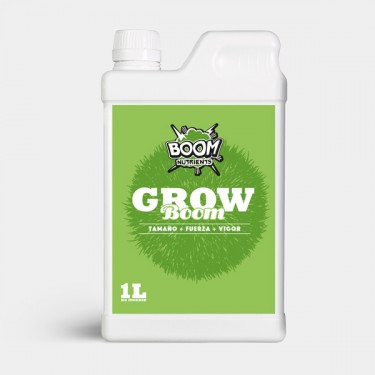
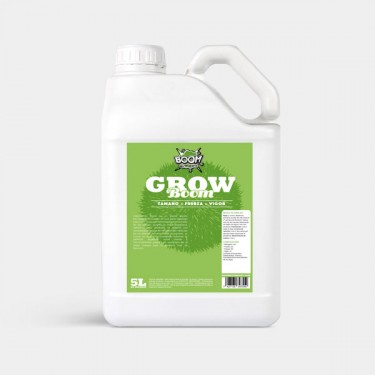
The best fertilizer for indoor plants during this stage must be rich in nitrogen to develop a strong and healthy structure. Products with an NPK ratio of 3-1-2 or similar are the most recommended to promote vigorous growth, such as Grow GB Nutrients.
Fertilizers for the flowering phase
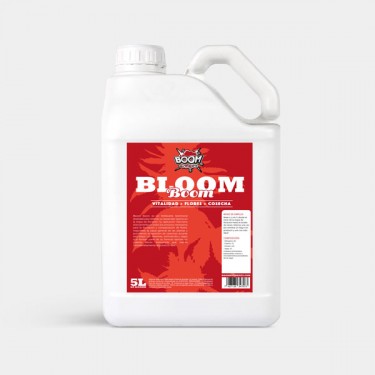
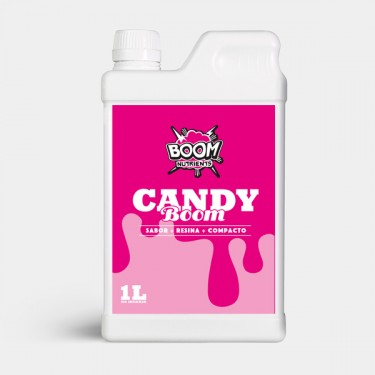
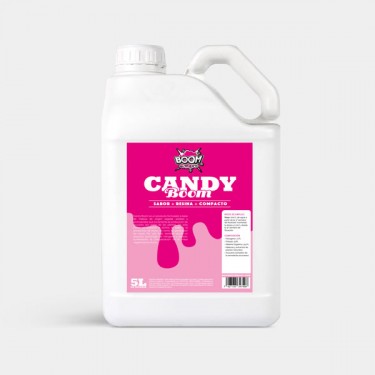
For flowering, it is recommended to use fertilizers with a high content of phosphorus and potassium, as they promote the production of dense and resinous flowers. A fertilizer with an NPK 1-3-2 ratio will help boost bud formation.
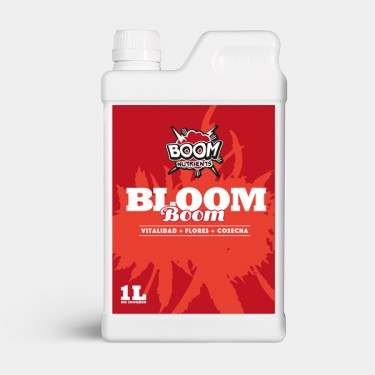
Additionally, during this phase, it is recommended to gradually reduce nitrogen to avoid excessive leaf growth that could take energy away from flower production. The Boost and Bloom fertilizers from GB Nutrients are specially formulated for this stage.
Supplements and stimulants to maximize production
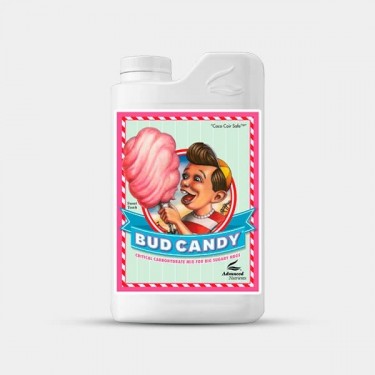
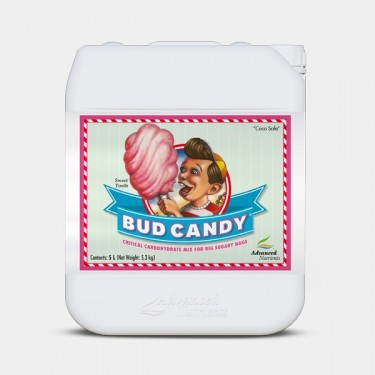
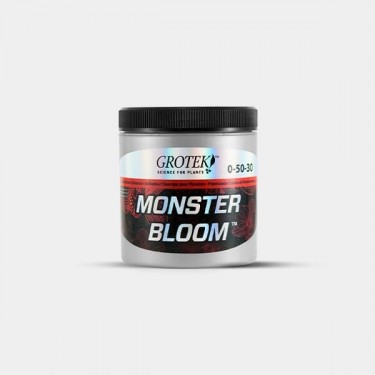
In addition to basic fertilizers, there are supplements and stimulants that can boost your crop’s yield. Enzymes, for example, are excellent for breaking down dead root remains and improving nutrient absorption. Amino acids, on the other hand, promote plant growth and resistance, helping them overcome stressful situations.
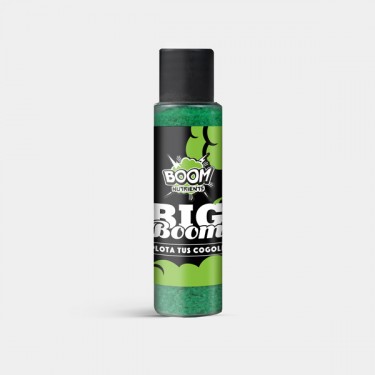
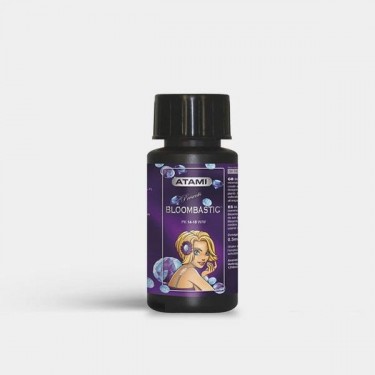
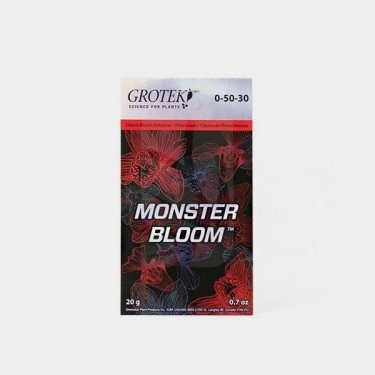
Flowering stimulators are another popular option, as they contain specific hormones and nutrients that increase the size and density of the buds. These products are also known as “bud boosters.” They are not strictly necessary, but they can make a big difference in the quality and quantity of your harvest.

Tips and recommendations when applying fertilizer
It is not enough to choose the best fertilizer for indoor plants. Fertilization is a process that requires precision and attention to detail. Applying the right nutrients at the right time can make the difference between a successful crop and one that does not reach its full potential. Below, we offer a series of tips and recommendations so that your fertilization yields the best results.
Measuring and applying fertilizer correctly
One of the most important aspects of fertilization is dosage. Applying too much fertilizer can be just as harmful as not applying enough. To avoid problems, always follow the manufacturer’s instructions and use precise measuring tools, such as syringes or measuring spoons.
In the case of liquid fertilizers, it is recommended to dilute them in water before applying them. On the other hand, for solid fertilizers, distribute them evenly around the base of the plant, avoiding direct contact with the stem to prevent burns.
The importance of pH and EC in the nutrient solution
pH and electrical conductivity (EC) are two key parameters that you must monitor regularly. pH directly affects the plants’ ability to absorb nutrients. For most indoor crops, the ideal pH of irrigation water should be between 5.5 and 6.5. This means that if the pH is too high or too low, the plants will not be able to absorb nutrients efficiently, even if they are present in the substrate.
On the other hand, EC measures the concentration of salts in the water, which indicates the amount of available nutrients. An EC level that is too high can indicate an excess of fertilizer, while a level that is too low can suggest a deficiency. Use pH and EC meters to adjust these values and ensure optimal nutrition.

Common mistakes when applying fertilizers
One of the most common mistakes is overdosing fertilizer, which can burn roots and severely damage plants. To avoid this, always start with lower doses than recommended and increase gradually if necessary.
Another frequent mistake is ignoring the specific needs of each growth stage. For example, applying a nitrogen-rich fertilizer during flowering can result in excessive leaf growth at the expense of the buds. Finally, do not forget to adjust the pH and EC, as an imbalance in these parameters can cause nutrient lockouts.
What are grow charts and why are they so practical
Grow charts are indispensable tools for any grower, whether beginner or expert. These charts provide a detailed guide on the amounts and types of fertilizers you should use at each stage of the plant’s growth. They usually include information on recommended NPK ratios, as well as tips on the use of supplements and stimulants.
Following a grow chart will help you maintain a proper nutritional balance and avoid common mistakes, such as overdosing or nutrient deficiency. Additionally, many charts are designed specifically for certain plant varieties, which makes them even more useful. Here is a complete list of the best grow charts for indoor marijuana.
Choosing the best fertilizer for indoor plants is one of those details that make a difference when you grow cannabis at home. Indoor plants, and even more so marijuana, need constant care and well-balanced nutrition to grow strong and give us a good harvest. A quality fertilizer not only gives them the nutrients they need, but also helps the buds grow dense and full of resin. Cannabis is a plant that asks for pampering and attention, but if you treat it well, it will thank you with a harvest that will be worth it. Each stage of the crop has its needs, so it is key to be informed and use the right products at each moment.
If you are interested in continuing to learn about how to get the most out of your plants, don’t miss the next blog posts.
FAQ’s about the best fertilizer for indoor plants
What type of fertilizer is best for indoor marijuana cultivation?
What nutrients should a marijuana fertilizer have?
Should I use liquid or solid fertilizers?
How do I avoid over-fertilizing my plants?
Is it necessary to use root or flowering stimulators?
Can I use tomato or generic plant fertilizers for cannabis?
Can I use homemade fertilizers in an indoor grow?
Products in this article




 Add as preferred source in Google