Personalized Attention +44 151 947 0713
 SHIPPING TO ALL

 9/10 Rating
 SALE TO MINORS PROHIBITED
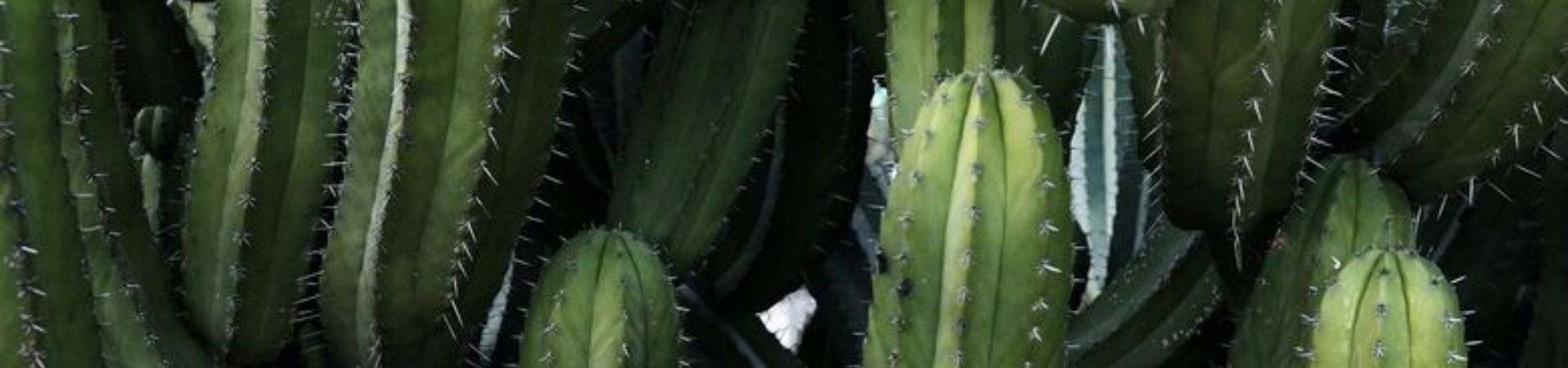
The San Pedro cactus is increasingly known for its hallucinogenic effects. These plants can be found in different parts of Latin America and are used in multiple indigenous communities, as they offer multiple therapeutic properties. In this article we tell you all about this substance and its possible effects.
What is the San Pedro Cactus?
So, you might have heard about the San Pedro cactus, known for its psychedelic kicks. Moreover, its scientific name is Echinopsis pachanoi, and in the communities where it’s been used for religious and divinatory purposes for almost 3000 years, they call it huachuma, achuma, wachuma, and aguacolla.
Just like peyote, its psychedelic effects are due to mescaline, a substance that has been used in different rituals by several North American Indian cultures due to its potent hallucinogenic effects. These effects, similar to those of psilocybin, a substance that can be found in magic mushrooms such as Golden Teacher, B+, Thai and Mexican among others. It offers alterations in visual and auditory perception, as well as thinking or mood. Besides, these substances may have multiple therapeutic properties.

Thai

Golden Teacher

B+
Where to find the San Pedro Cactus?
The San Pedro cactus is hanging out in the Peruvian Andes, chillin’ at altitudes between 1000 to 3000 meters. You can also spot it in other Latin American countries, especially in Ecuador, but it’s also making appearances in Bolivia, Chile, Colombia, and Argentina. Archaeologists even stumbled upon a San Pedro cactus fossil in Peru’s Guitarrero Cave in the Callejón de Huaylas valley, dating back to 6800 to 6200 BCE.
Although it’s a wild child, you can grow it yourself. The beauty of cacti is they don’t demand much, just a sip of water when the soil gets too dry. People love it for its aesthetics too; it’s a towering cactus that can reach up to nearly 6 meters in height.

Characteristics San Pedro Cactus
The San Pedro cactus is rocking a green hue, sometimes veering towards the dark side, maybe even a hint of blue. Plus, it’s dense and compact, packing a bunch of branches into a tight space. Slim and elongated, it’s divided into 4 to 10 sides, but the usual count is between 6 and 8.
Decked out with tiny yellow spines at the areolas (those white round spots on the cactus), it’s also where massive white flowers, about twenty centimeters in size, bloom at night. The San Pedro cactus takes its sweet time to flower, a whole decade, to be exact.
San Pedro vs. Peyote: same but different
San Pedro and peyote share some common ground: they’re both cacti, they pack a psychedelic punch thanks to mescaline, and they both grow in America, but they’re not that similar.
On one hand, Peyote likes it a bit more north, hanging out in Mexico and Texas, while San Pedro brings the Latin American vibes. Their main squeeze is mescaline, but they also have other alkaloids that set them apart. And let’s not forget their distinct looks: Peyote is small and round, while San Pedro is tall and elongated.
Sadly, peyote is on the endangered list because it’s heavily used for its psychedelic vibes, and it takes its sweet time to grow. That’s where San Pedro swoops in as a solid alternative for keeping the mescaline flow alive.

Ritual use of the San Pedro Cactus
In the Andes, it is used by the so-called “curanderos”, who consume it to identify the ailments of patients. They also made the sick ingest San Pedro to purify themselves by vomiting, since the mescaline present in its interior provokes reactions of this type.
A well-known ceremony that includes the use of San Pedro is called the “mesa”: it consists of bringing objects dear to the patient that will help the healer gain power. It is performed when the usual treatments have no healing effects, or to perform certain spells, either to help loved ones or to find lost objects.
San Pedro also allows a reconnection with nature, it can be consumed raw, infused or reduced to powder. Numerous healing properties are attributed to it, among them:
- Wound healing.
- Reduction of inflammations.
- Treatment of skin problems.
- Treatment of infections and some diseases.
People usually take it on an empty stomach to dodge the infamous mescaline-induced hurling. Nowadays, those diving into a San Pedro trip like to prepare some small rituals before taking the plunge.
So, San Pedro is like the cousin of peyote, delivering those psychoactive vibes with the mescaline it contains. It’s been a player in the therapeutic game for years, and guess what, it’s still going strong. Plus, it doubles as a pretty cool decoration.



 Add as preferred source in Google