Personalized Attention +44 151 947 0713
 SHIPPING TO ALL

 9/10 Rating
 SALE TO MINORS PROHIBITED

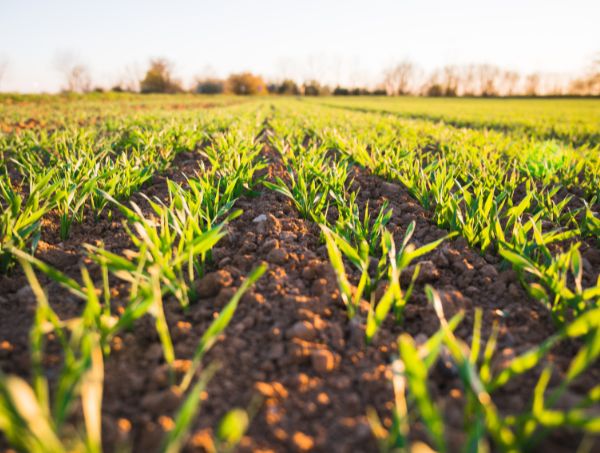
A profitable crop can also be environmentally friendly. Therefore, farmers are looking for new methods to enhance their work with a minimum negative impact on the environment. Moreover, cannabis legalisation for medicinal and recreational use in some countries is leading to an increase in demand hence, in cannabis crops. Lastly, growers use regenerative agriculture more and more often to control excessive consumption of resources.
What is regenerative agriculture?
Regenerative agriculture improves soil health and favours sustainability, by directly impacting the quality of plants and animals. As the name suggests, the aim is to regenerate the soil by stimulating and maintaining fertility.
What’s more, it is a process that goes further than ecological agriculture; it seeks to enhance biodiversity through a ‘closed cycle’ capable of restoring the natural elements of water, air, and soil. This renewing effect can help to increase the quality of crops.
Soil fertility is crucial not only to improve productivity but also to provide more food for animals. Regenerative techniques do not only affect conventional crop areas but go beyond that to influence unused areas such as reforestation or aquaculture.
Principles of regenerative agriculture
In contemplation of doing this, different principles should be taken into consideration:
- Eliminate mechanical, chemical, and physical processes.
- Use plant cover to avoid soil’s erosion as well as provide fodder and material for ranching.
- Maintain living roots of perennial crops.
- Integration of ranching into agricultural production.
- Increasing biodiversity for healthier soil.
Regenerative agriculture in cannabis crops
In recent years, various research studies have analysed the impact of cannabis crops in Northern California, finding damaged ecosystems. Here are some of the causes that can accelerate the deterioration:
- Lack of water. They need large amounts of water.
- The presence of chemical residues in the wastewater
- Some volatile compounds produced by cannabis increase ozone levels near crops.
- The carbon footprint derived from greenhouses is higher.
Growing techniques to be implemented
Find below some tips for regenerative agriculture:
- Minimise artificial light: prioritise sunlight by reducing the use of grow lights. Besides, another good option is to grow in energy-efficient greenhouses.
- Collect rainwater and install a drip watering system: send water directly to the roots and reduce the amount used.
- Rotate crops: in fact,this allows the soil to recover its properties.
- Use natural pesticides without chemicals.
- Use polyculture against infestations: the more diversity there is, the less you need to add other products.
- Apply no-till farming: prepare your bokashi for cannabis plants or compost that will provide the necessary nutrients.
- Crop species and cover crops rotation: after growing, the soil ecosystem is protected; so weeds do not grow and soil hardening decreases.
- Use vermiculture to create your own hummus: establishing micro-organisms that synergise with other organisms.
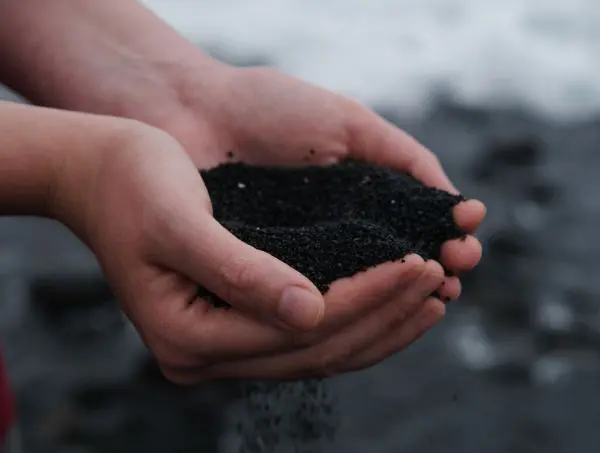
Benefits of regenerative farming
By transforming a conventional cannabis crop into a regenerative one, certain benefits are achieved, in an economical way, for the environment and growers, including:
- A stronger flavour of the cannabis strains.
- A greater variety of beneficial compounds.
- The resulting products are chemical residues free.
- New genetics that adapt better to certain local conditions.
- Reduced water and energy consumption.
- Eliminates the use of chemical fertilisers while naturally preventing pests.
Can it reverse climate change?
These techniques can slow down climate change if applied on a global scale. However, on a personal level, each farmer can make small changes to prevent the impact on nature. Additionally, research shows that fertile soils absorb more CO2 and store it as carbon, thus reducing the amount of carbon in the atmosphere.
Similarly, they generate less waste and consume less fossil fuel, thus emitting fewer greenhouse gases. All this demonstrates the potential of this type of agriculture.
At last, regenerative agriculture in cannabis allows for a more ecological and sustainable crop for the future, helping to optimise processes and minimise the negative impact of these practices.