Personalized Attention +44 151 947 0713
 SHIPPING TO ALL

 9/10 Rating
 SALE TO MINORS PROHIBITED

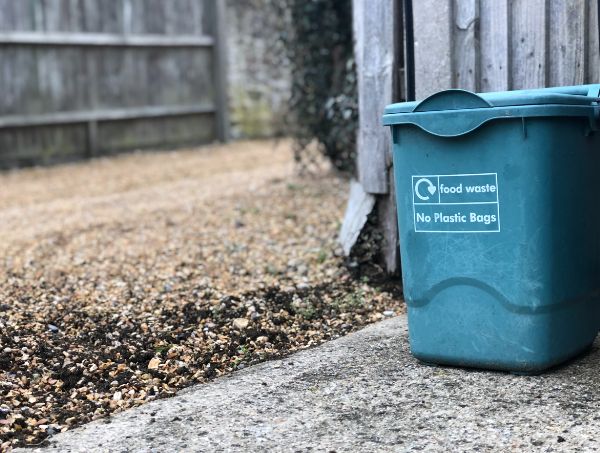
More and more people prefer to make their own compost, due to its simplicity, its ecological character, along with increased concern about chemical products that harm the environment. Among these organic fertilisers, Bokashi is one of the most beneficial and famous. Therefore, techniques like Bokashi are eco-friendly in addition to being good as natural cannabis fertilizer.
What is Bokashi or boccashi?
This practice, born in the land of the rising sun, is a fermentation process of organic matter. The Japanese word Bokashi means “fermented organic matter” and was traditionally used by Japanese farmers to refer to self-made fertilizers.
Bokashi recycles vegetable waste to make compost with everything the crop needs in only two weeks. This method feeds the crop and provides the necessary organic matter while increasing the amount of beneficial microorganisms such as the three M’s: microorganisms, minerals and organic matter.
Bokashi’s benefits in cannabis crops
Bokashi composting has various benefits for cannabis plants:
- Promotes plants’ symbiosis. The microorganisms activate it and provide nutrients for a more powerful growth.
- Adds nitrogen to the soil. This is a very important mineral for most plants and is not normally found in the soil. It also enriches soil’s composition and provides multiple nutrients.
- Reduction of invasions. By strengthening the beneficial microorganisms in the soil, creating extra protection against attacks and improving the immunological system (trophiosis) so as to reduce infestations possibilities.
- Respect for the environment. To do this, it is necessary to use organic remains, to which you’ll have to add microorganisms for the fermentation.
- Reduction of costs. It is free raw material from kitchen waste.
How to make Bokashi?
There are two types of Bokashi depending on the techniques used to make it.
Homemade Bokashi
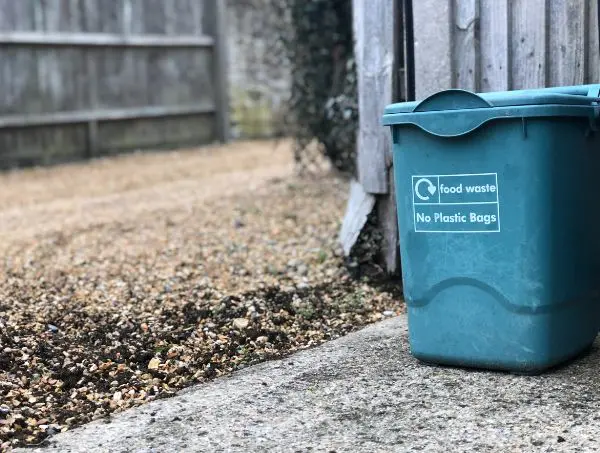
In order to prepare it you will be able to buy the bucket for the Bokashi and effective microorganisms, which are the ones responsible for the fermentation of the food or residues. The food can be of any type, whether it is meat/fish or fruits/vegetable leftovers. However, it is advisable not to use bones, oils or other foods that are difficult to break down as they will increase the duration of this process.
How to prepare it in stages:
- First of all, incorporate materials into the container in layers, that is, a layer of material and then another layer of microorganisms and so on successively. In this way, the residues can ferment more efficiently.
- This type of bucket normally has a spigot to drain off the liquid produced during the fermentation process, being able to apply it as organic fertiliser for plants or as a natural drain cleaner.
- Leave it for about 14 days. Once fermented, you will observe spider webs created by the fungi.
- Before using it as potting soil, you should mix it with soil for 2 or 3 weeks.
Wild Bokashi
In this case, the fermentation process is carried out with various types of food present in the mountains or in the fields.
The elements you will need are:
- An airtight bucket.
- Molasses of food such as beet or reed, in order to feed the microorganisms.
- Yeast. It makes an excellent microorganisms’ inoculant starting the fermentation process.
- Milk or yoghourt.
- Bran. Promotes bokashi fermentation and enzymatic activity, adding nitrogen and nutrients.
- Soil. Collect the part below the surface since this is where microorganisms are located. It is best to take some from different locations to ensure a greater variety of beneficial fungi. One of the most suitable soils is forest one because of its incredible microbial soil.

Steps to take
- To begin, it is necessary to prepare the inoculum with the beneficial microorganisms that we want to introduce. The liquid part is made by mixing milk, molasses and yeast, stirring until the compound is homogeneous, then cover and let it rest for 24 hours.
- Later, add the soil and cereals. Than, incorporate the manure and rice, preparing the solid part.
- Once you have the liquid and solid parts, distribute them more or less equally, until you get a compost that has between 30 and 50% moisture. Stir the mixture and leave it rest for a day.
- Continue to stir the mixture twice a day, in the morning and late afternoon. After 15 days, the mixture will be ready and the fermentation process will have taken care of maintaining the high temperature, killing the unwanted microorganisms. It is necessary to check that the process does not give off unpleasant odours, as this is a sign that something is wrong.
To know that it is ready, take some soil and press it into a compact bag, without draining. - Wait another 15 days. The mixture will be useful for 3 months.
How to use it?
Once this type of compost has been made, it can be used in different ways:
- Simply mix the Bokashi with the soil or substrate.
- Although it is suitable for indoor growing, find out other quicker and more specific options in grow shops, such as brands like Boom Nutrients or Advanced Nutrients.
- It is also desirable for use in vegetable gardens or outdoor potted crops with less than 20% Bokashi.
- If you add it to the growing soil, apply it every 3 to 4 weeks to provide the necessary energy and protection against pests or diseases.
Thus, we can conclude that the use of Bokashi composting in cannabis crops is recommended in the ground directly, while for the culture inside, there are solutions much more nutritive and faster.