Personalized Attention +44 151 947 0713
 SHIPPING TO ALL

 9/10 Rating
 SALE TO MINORS PROHIBITED


Peat is often confused with substrate or soil, as the terms are sometimes used interchangeably. While peat can be used as a substrate, and many substrates contain peat, it is a distinct material with unique properties that are important to understand. In the following sections, we’ll explore what peat for plants is, its key properties, and how to use it effectively in cultivation—providing you with a solid foundation for making informed decisions in your growing practices.
What is peat and where does it come from?
Peat is the term we use to describe an organic material used in agriculture that comes from the decomposition and carbonization of plant matter in the acidic water of wetlands, marshes, and bogs, in specific areas known as peatlands. For an area to become a peatland, several conditions must be met: excess moisture and low oxygen levels.

When these conditions are present and organic matter accumulates faster than microorganisms can break it down, partial decomposition occurs, leading to the formation of peat. This is an extremely slow process—studies estimate that only 10 to 50 centimeters of peat form every 100 years. Peatlands are often millions of years old, developed in former glacial swamps now filled with plant material, such as partially decomposed moss.

Boom Nutrients Light Mix

Light Mix GB Nutrients

All Mix GB Nutrients
Types of peat
There are two types of peat: black peat and blonde peat, which form in different environments and therefore have different characteristics.
Black peat
This type is extracted from deeper layers, making it denser, more compact, and older. As a result, it contains a higher concentration of humified substances and nutrients. Rich in humic and fulvic acids—complex organic compounds produced during decomposition—this variety reflects a more advanced stage of organic matter breakdown. Despite being referred to as acidic, it typically has a pH between 7.5 and 8, characteristic of black peat.
This process takes thousands of years and occurs in moist, low-oxygen environments like swamps and bogs. Due to the more advanced decomposition, black peat is dark (almost black) and has a dense, compact texture. Thanks to its high nutrient content and greater water retention capacity, it’s commonly used to improve soils in gardens and crops that require more nutrients. It’s also ideal for acidifying soils.
Blonde peat
Blonde peat is less decomposed, so it retains a higher amount of organic matter in its original form. This gives it a lighter color, with golden or pale brown tones. It has fewer humified compounds and more undecomposed cellulose, making it less nutrient-rich. Due to its lower degree of decomposition, it has a more balanced pH, usually between 4.5 and 6, making it less acidic and more suitable for plants that prefer neutral or slightly acidic soils.

Peat extraction
Extracting black and blonde peat can seriously impact the environment. It destroys peatland ecosystems, which are vital carbon sinks. Black peat is especially harmful because it’s older and found deeper underground. Its extraction releases large amounts of stored carbon into the atmosphere, increasing CO₂ emissions. That’s why it’s important to choose peat from controlled, sustainable sources.
How it can be used
Peat can be used in different ways in a vegetable garden, pots, or cannabis crops, depending on the grower’s needs and goals.
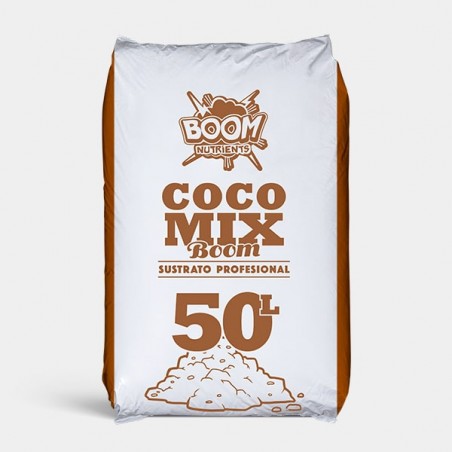
Coco Mix Boom Professional Coco Substrate
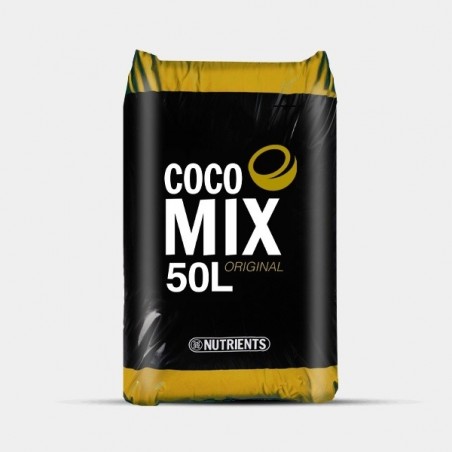
Coco Mix GB Nutrients

BioBizz All Mix
Mixed with soil
When soil is too compacted or nutrient-poor, you can mix in either black or blonde peat, depending on the case, at a 1:1 or 1:2 ratio. This will improve soil texture and enhance aeration and water retention — all of which your plants will appreciate. One thing to keep in mind is that if you’re using black peat, which is already very nutrient-rich, you likely won’t need to add fertilizers. On the other hand, if you use blonde peat, you’ll probably need to supplement it with nutrients.
Added to pots
Peat can be one of the ingredients used to make a good potting mix. It can be combined, for example, with vermiculite, perlite, and a bit of worm humus.

As a germination medium
Peat is widely used in seedbeds, as it’s an excellent medium for germination. You can mix black or blonde peat with vermiculite, perlite, sand, or coconut fiber. This makes the substrate lighter. A lighter mix helps seeds absorb water and sprout more easily.
A simpler option is to use a Jiffy or pressed peat pellet. Jiffys are compressed peat discs that expand with moisture and provide an ideal medium for seedlings to grow until they’re ready to be transplanted into their final substrate.
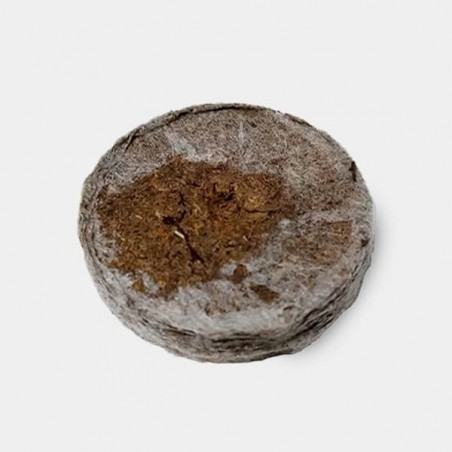
41-44mm Jiffy Peat pellets

Rockwool Plug Tray
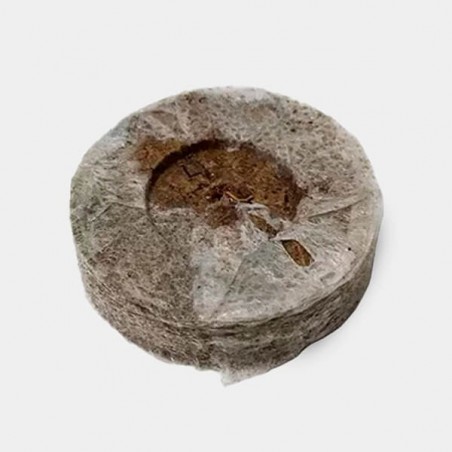
Jiffy 7 24mm Peat Pellets
For making compost
This material can also be added to compost to boost its nutrient content. Simply mix it into your compost bin to improve aeration and accelerate the decomposition process. In indoor growing, peat is especially useful for maintaining consistent moisture levels—an advantage for plant species that thrive in humid conditions.
Important considerations
Black peat is highly acidic. When used in a substrate, it can lower the soil’s pH too much. This may cause problems for certain plant species. If you plan to use black peat, check the soil’s pH regularly. Adjust it if needed. To reduce acidity, add alkaline materials like lime.

When using peat, it’s also important to pay close attention to watering. Due to its high water retention capacity, ensuring proper drainage is essential to avoid waterlogging.
Now that you know what peat is and how to use it effectively, you’re ready to incorporate it into your substrates and help your plants grow strong and healthy.