Personalized Attention +44 151 947 0713
 SHIPPING TO ALL

 9/10 Rating
 SALE TO MINORS PROHIBITED

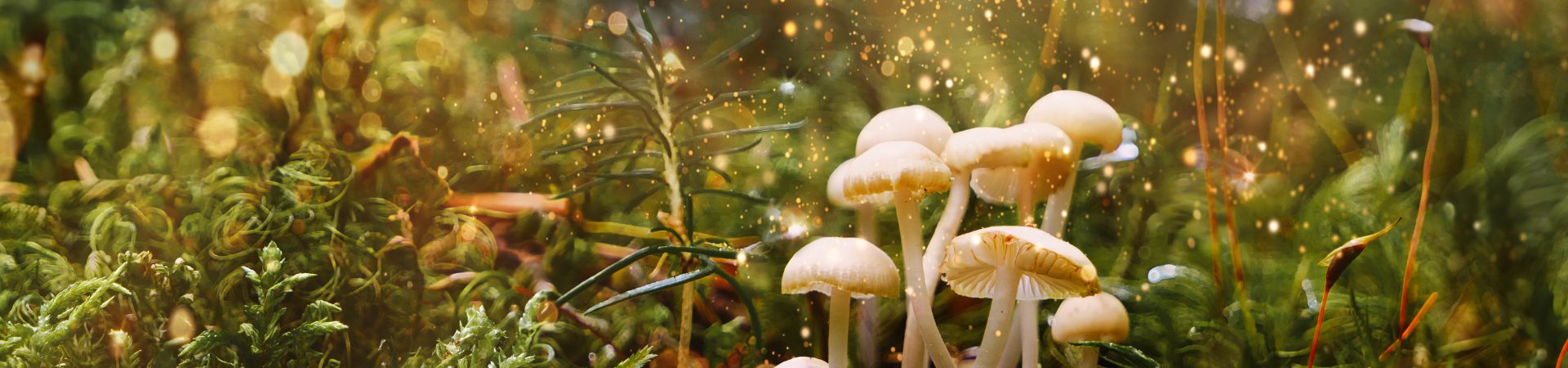
Panaeolus cyanescens is a highly potent hallucinogenic mushroom that is often a favorite among experienced mycologists and psychonauts. Below, we’ll reveal all the secrets of this small yet fascinating fungus.
Why is it so special?
Panaeolus cyanescens, also known as Copelandia cyanescens or Blue Meanie, is a magic mushroom belonging to the Bolbitiaceae family. When thinking of hallucinogenic mushrooms, we usually picture Psilocybe species like cubensis or mexicana, named for their high psilocybin content, which produces their psychedelic effects.
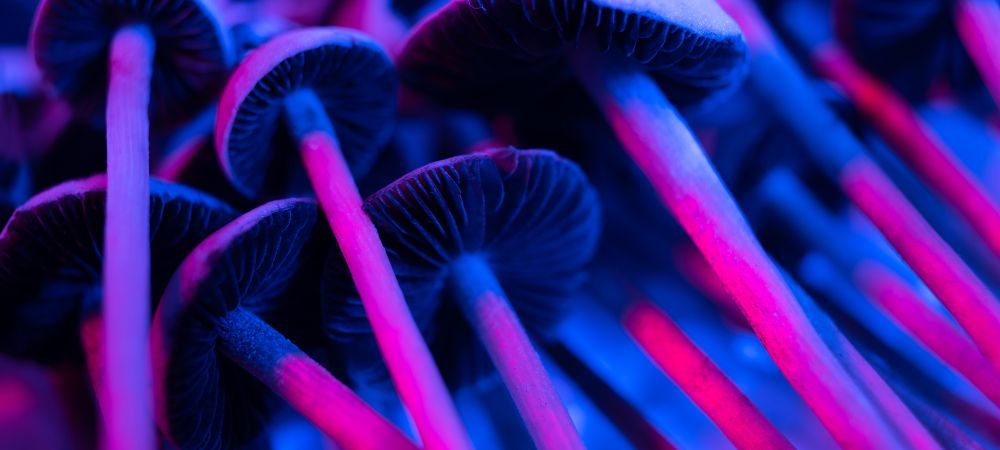
Although Panaeolus cyanescens doesn’t belong to the Psilocybe genus, it is also rich in psilocybin. In fact, it contains such a high concentration that it turns a striking blue when handled, due to the oxidation of this alkaloid.
This mushroom is highly sought after for its extraordinary potency and the unique experiences it offers to those who know how to use it.
Where does It grow, and how can you identify It?
The Copelandia mushroom grows in tropical and subtropical areas with warm, humid climates, often in pastures and meadows rich in herbivore dung. Under favorable conditions, it can sprout from spring to fall.
Key identifying features:
- Stem: Long and slender, reaching up to 12 cm (4.7 inches) in height.
- Cap: Small, 1.5 to 4 cm (0.6 to 1.6 inches) in diameter. Initially hemispherical, the cap becomes convex as it matures. It starts off light brown and turns pale gray or whitish when fully developed and ready for harvest.
- Gills: Dark brown, densely packed, and not attached to the stem but rather to the underside of the cap.
How does Psilocybin from Panaeolus cyanescens work?
Many consider Panaeolus cyanescens one of the most potent hallucinogenic mushrooms in the world. Its valued effects stem from psilocybin and psilocin, with psilocybin needing to convert into psilocin in the body to produce psychedelic effects. This transformation occurs through a series of biochemical reactions involving specific enzymes.
Although the exact reason mushrooms contain psilocin is unclear, scientists hypothesize it may be an evolutionary adaptation to aid spore dispersal through the feces of animals that consume them.
How does psilocybin and psilocin affect the brain?
Psilocin closely resembles serotonin, a neurotransmitter linked to mood, sleep, and sensory perception. This similarity allows psilocin to bind to serotonin receptors in various parts of the brain, inducing a sense of well-being.
Additionally, psilocin enables parts of the brain that don’t usually interact to communicate, resulting in sensory alterations like time distortion and synesthesia. Psilocin also disrupts the brain’s “default mode network,” a sort of mental autopilot. This disruption fosters ego dissolution and a heightened sense of connection with the surrounding environment.
What effects does it cause?
The effects of Panaeolus cyanescens are highly potent, with intensity varying by dosage and individual metabolism. Common psychedelic effects include:

- Visual and auditory hallucinations: Colors become more vivid, and objects may appear distorted.
- Altered perception of time and space.
- Euphoria and intense well-being: Past and future worries fade, leaving only a profoundly pleasant present.
- Spiritual connection: Users often report feeling deeply connected to nature, the universe, and those around them, leading to a remarkable sense of peace and belonging.
- Enhanced creativity: Psilocybin disrupts usual thought patterns, enabling innovative ideas and perspectives.
What Is the recommended dosage?
Panaeolus cyanescens is far more potent than most other mushrooms, so caution is crucial when dosing. Start with a small amount and gradually assess its effects. Typical dosages include:
- Microdose (<0.15 g): Enhances mood and creativity without perceptual changes.
- Low to moderate dose (0.2–0.7 g): Produces light to moderate psychoactive effects.
- High dose (>0.7 g): Suitable only for experienced users in a safe environment with a responsible trip sitter present.
Therapeutic uses of Panaeolus cyanescens
The effects of Panaeolus cyanescens, particularly its psilocybin content, have caught the attention of the scientific community due to its potential therapeutic benefits for mental health.
- Potential applications: Anxiety, depression, and PTSD (post-traumatic stress disorder).
- Current research: While early studies show promise, further investigation is needed to fully understand its risks and benefits as a therapeutic drug.
How to grow Panaeolus cyanescens
Growing Copelandia at home is more challenging than cultivating other mushrooms, but it is achievable with patience. Using a grow kit is the easiest approach, as it comes pre-colonized with mycelium. You only need to maintain the correct temperature and humidity levels.
Growing from spores is more difficult because Panaeolus cyanescens spores don’t propagate as vigorously. However, the general process is similar to cultivating other mushrooms:
- Maintain a sterile environment.
- Use pasteurized substrate.
- Ensure an appropriate climate.
Panaeolus cyanescens is an extraordinary mushroom, turning blue when cut and ranking among the most psychedelic fungi in the world. Whether for spiritual exploration or scientific research, this unique mushroom continues to fascinate and inspire.