Personalized Attention +44 151 947 0713
 SHIPPING TO ALL

 9/10 Rating
 SALE TO MINORS PROHIBITED

The idea of taking microdosing at work sounds, for some, like a modern shortcut to total focus. For others, however, it raises serious ethical and safety concerns. The truth is, more and more people, from designers and developers to entrepreneurs, are exploring the use of sub-perceptual doses of substances like psilocybin or LSD in hopes of becoming more creative, less stressed, and more focused during the workday.
While personal accounts circulating on social media and niche forums suggest a quiet revolution in productivity, the question remains: Are we looking at an innovative tool or an unnecessary risk? In this article, we’ll explore what science has to say, how microdosing affects performance (or not), what mental health professionals think, and the real-world implications of this practice in workplace settings.
What is microdosing?
When we talk about microdosing, we’re referring to the practice of consuming tiny, sub-perceptual amounts of psychedelic substances like psilocybin or LSD. Unlike recreational doses, these amounts are so small that they don’t cause hallucinations or noticeable changes in perception, allowing people to carry on with daily activities uninterrupted.
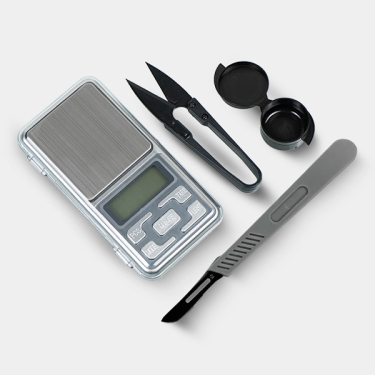

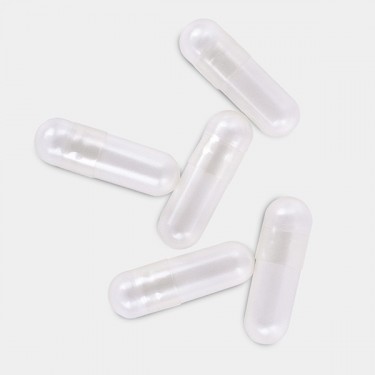
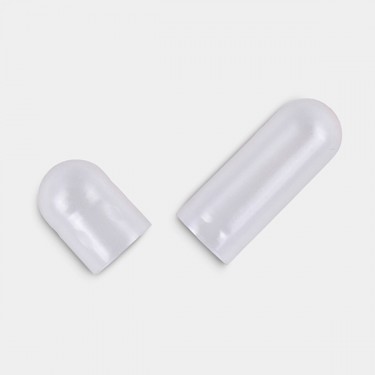
The primary goal of microdosing is to subtly yet significantly improve cognitive and emotional well-being. In theory, microdoses may enhance mood, boost motivation, increase creativity and mental clarity, and even promote greater introspection and overall well-being, without inducing a full psychedelic experience.

How did psilocybin microdosing enter the workplace?
In the workplace, especially in high-performance or creative industries, this trend has started to gain traction. The search for new ways to stay focused, boost creativity, and reduce anxiety has led many to experiment with microdosing. It’s not about “tripping,” but rather working better with more mental flow and less accumulated stress.
The rise of this practice didn’t come out of nowhere. Over the last decade, Silicon Valley has become an informal testing ground where developers, designers, and startup founders began sharing their microdosing experiences on blogs, podcasts, and conferences. Slowly, the practice made its way into other workspaces from design studios and coworking hubs to more conventional offices.
Although still surrounded by debate and a lack of regulation, one thing is clear: microdosing has entered the workplace with a bold promise—to help people perform better without compromising emotional balance.
Benefits of microdosing at work
The idea that microdosing and productivity are linked has sparked growing interest among employees. But is there any truth behind this claim, or is it just another trend? While scientific consensus is still lacking, some early studies and numerous personal accounts offer intriguing insights.
Preliminary research from the Imperial College London and Maastricht University has explored the use of psilocybin microdoses in controlled settings. Some of these studies point to mild improvements in cognitive functions such as mental flexibility, creativity, and sustained attention. However, most also acknowledge limitations: small sample sizes, lack of rigorous controls, and possible placebo effects.
Outside the lab, there are plenty of firsthand reports from individuals who claim to feel more focused, better able to manage stress, and more motivated for repetitive tasks.
Some of the most commonly reported benefits among those who practice microdosing include:
- Improved focus and attention during long tasks
- Boost in creativity and problem-solving skills
- Reduced stress levels and enhanced overall mood
- Greater sense of connection with work and surroundings
The risks of microdosing at work
Although microdosing at work is gaining popularity, it’s not without risks. Before considering it in a professional setting, it’s important to be aware of some key concerns that could work against it:
| Risk | Explanation |
|---|---|
| Subtle psychological dependency | Some individuals feel they can’t perform well without their daily microdose, which can lead to an unhealthy reliance on the substance. |
| Legal and workplace risks | In many countries, substances like psilocybin and LSD remain illegal. Testing positive could result in disciplinary action if workplace drug screenings are enforced. |
| Hazards in high-risk professions | For jobs requiring coordination or focus—such as healthcare, transportation, or machinery operation—even minor perceptual changes may pose serious safety risks. |
| Lack of medical supervision | Many users follow dosing protocols found online without professional guidance, which can be counterproductive or even dangerous depending on individual health conditions. |
Scientific and workplace expert opinions
Experts in mental health, human resources, and neuroscience express a wide range of opinions on microdosing at work, but one message is clear: caution is key. While many acknowledge the growing interest due to potential benefits in creativity, focus, and stress reduction, most agree that it’s still too early to confirm its efficacy or safety in professional settings.
Researchers frequently point out that the current scientific evidence is limited. Many studies suffer from small sample sizes, lack of rigorous control groups, or ignore important variables, casting doubt on how reliable or generalizable their findings really are. From a professional standpoint, experts emphasize the need to avoid applying unproven practices in the workplace, where safety and collective well-being must be prioritized.
That’s why the scientific community strongly calls for more research—not just on the potential benefits, but also the risks and ethical implications—of microdosing in professional environments.

Is microdosing at work legal?
In Europe and many parts of the world, the legal framework surrounding substances like psilocybin and LSD, even in microdoses, is strict. These substances are generally classified as illegal, meaning that possession, use, or distribution may carry legal consequences regardless of the dosage.
From a workplace standpoint, using banned substances could lead to serious consequences. Most companies have strict policies regarding drug use, and microdosing could result in disciplinary actions, ranging from warnings to termination. In high-responsibility sectors, this may also be considered a severe offense due to the potential risks involved. Therefore, beyond the debate around its possible benefits, it’s essential to understand the legal context and your company’s policies before experimenting with microdosing at work.




 Add as preferred source in Google