Personalized Attention +44 151 947 0713
 SHIPPING TO ALL

 9/10 Rating
 SALE TO MINORS PROHIBITED
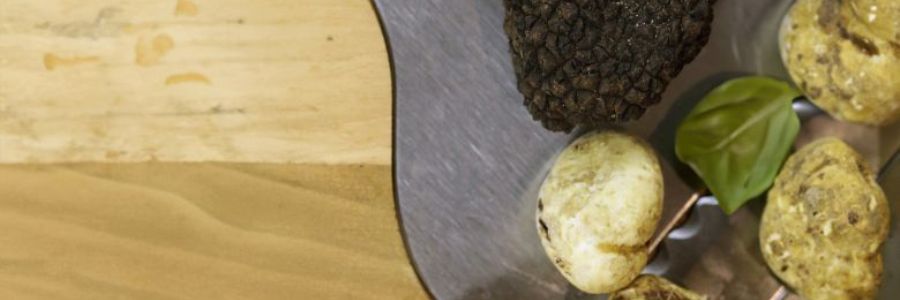
Magic truffles have become a topic of growing interest in both the wellness community and scientific research. But what exactly are magic truffles, and how do they work? In this comprehensive guide, we’ll explore psilocybin—the active compound in magic truffles—and take an in-depth look at their origins, legal landscape in the United States, effects on mental and physical health, potential risks, and the therapeutic benefits they may offer.
What are magic truffles?
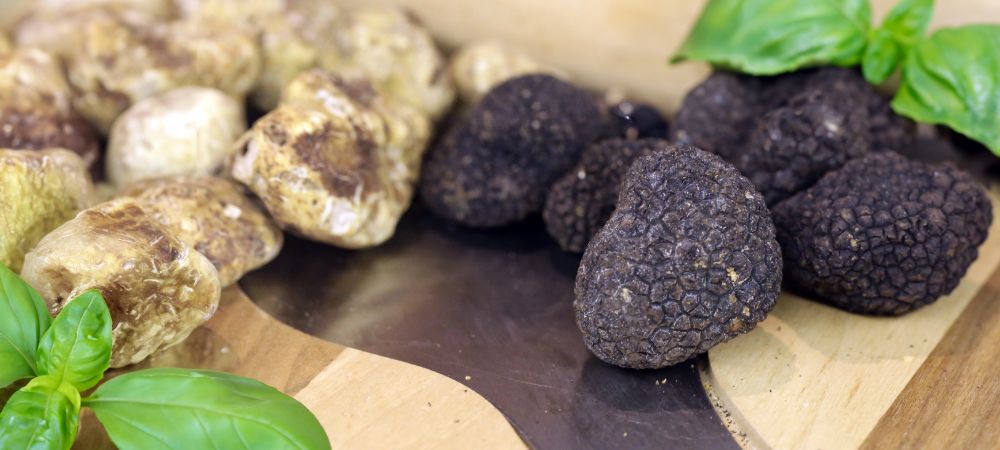
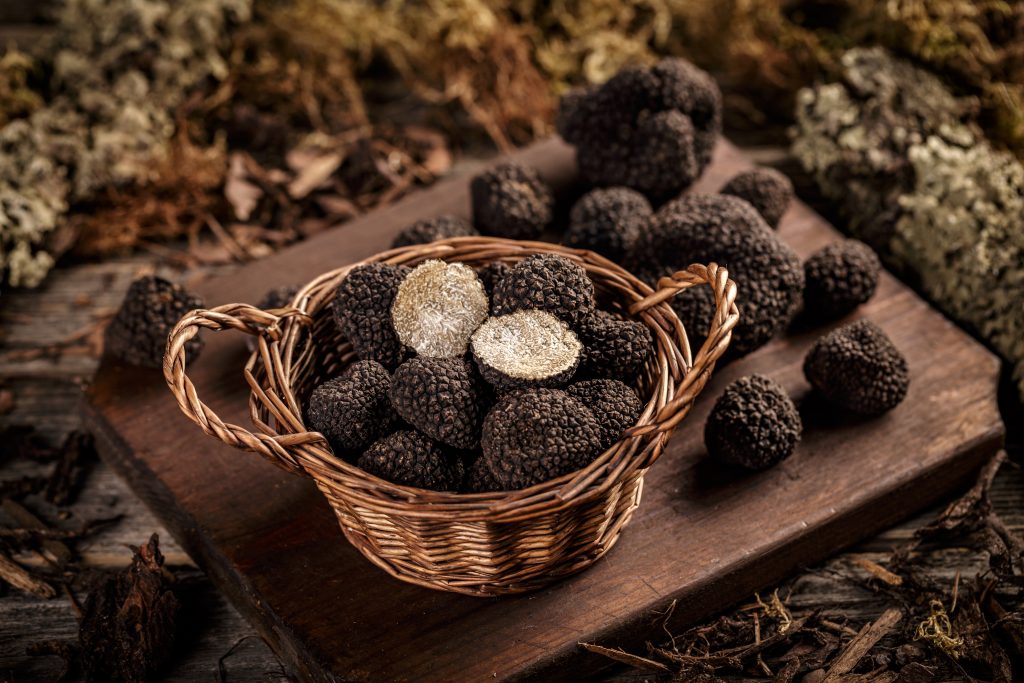
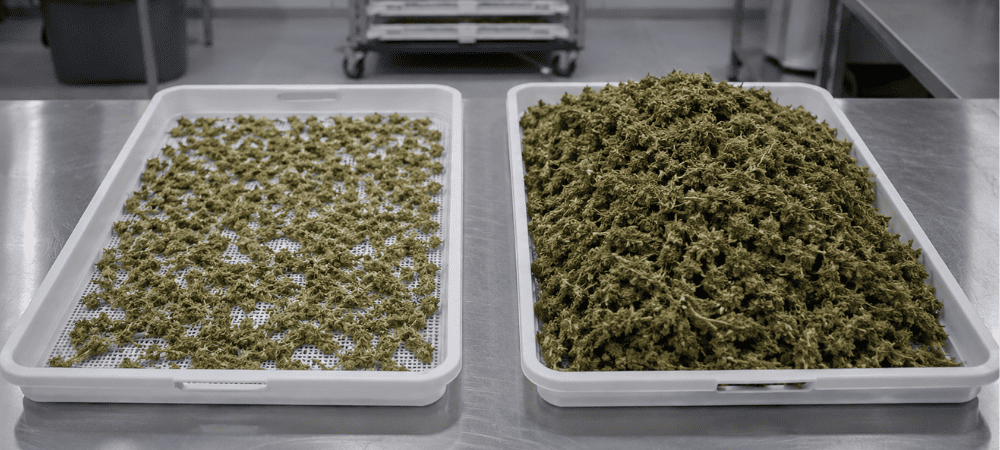
Magic truffles are the subterranean part of certain psychedelic fungi that contain psilocybin, a naturally occurring psychoactive compound. Unlike the more familiar magic mushrooms, which grow above ground, truffles develop underground as dense masses of mycelium, the fungal root system. Despite this difference, both truffles and mushrooms contain psilocybin and produce very similar psychedelic effects when ingested.
Origin and history
The use of psilocybin-containing fungi dates back thousands of years, primarily among indigenous cultures in Central and South America. For example, the Mazatec people of Mexico have used “teonanácatl” (sacred mushrooms) in religious ceremonies to connect with spiritual realms and promote healing. These ancient rituals highlight the deep cultural and spiritual significance these fungi have held for centuries.
Magic truffles, while less well-known historically, have gained prominence in recent decades, especially in countries like the Netherlands, where the sale of magic mushrooms is restricted but truffles remain legal. This has helped popularize microdosing and recreational use across Europe, influencing interest worldwide.
Legal status of magic truffles in the USA
The legal status of magic truffles in the United States is complex and largely shaped by federal prohibition. Under the Controlled Substances Act, psilocybin—the psychoactive compound in both magic mushrooms and truffles—is classified as a Schedule I controlled substance. This means it is illegal nationwide to manufacture, possess, distribute, or use psilocybin, with severe penalties for violations. Although many laws specifically reference “psilocybin mushrooms,” most legal experts and enforcement agencies consider truffles to fall under the same restrictions because they contain identical active ingredients. Importing or transporting truffles across state lines is typically treated as trafficking in a Schedule I substance.
At the same time, some states and cities have begun to reform their approach to psilocybin. Oregon has established a regulated system for supervised therapeutic use of psilocybin products, and Colorado recently legalized regulated psychedelic services and decriminalized personal possession and cultivation for adults. Cities like Denver, Oakland, and Santa Cruz have decriminalized personal use, meaning local authorities deprioritize enforcement. However, these reforms do not make psilocybin fully legal, nor do they override federal law. Because truffles are rarely mentioned by name in these measures, their status remains a legal gray area. Anyone considering using or possessing them should stay informed about evolving local policies and understand the risks under federal law.
State and local legal changes
At the same time, some states and cities have begun to reform their approach to psilocybin. Oregon has established a regulated system for supervised therapeutic use, and Colorado has recently legalized regulated psychedelic services while decriminalizing personal possession and cultivation for adults. Cities like Denver, Oakland, and Santa Cruz have also decriminalized personal use, meaning local authorities deprioritize enforcement.
However, these reforms do not make psilocybin fully legal, nor do they override federal law. Because truffles are rarely mentioned by name, their status remains a legal gray area. Many laws specifically reference “magic mushrooms,” so the legal status of magic truffles remains somewhat ambiguous. This can be confusing, and anyone considering using or possessing them should stay informed about evolving local regulations and understand the risks under federal law.
Effects of psilocybin on the mind and body
When consumed, psilocybin is converted into psilocin, which primarily binds to serotonin receptors in the brain, particularly the 5-HT2A receptor. This interaction alters brain activity and connectivity, resulting in a wide range of psychological and physical effects.
Mental effects
Psilocybin’s mental effects are often described as profound and transformative. Users frequently report:
- Enhanced creativity: Increased divergent thinking and novel ideas.
- Altered perception: Changes in how colors, sounds, and time are experienced.
- Emotional release: Opportunities to confront and process buried emotions.
- Spiritual experiences: Feelings of unity, transcendence, and deep insight.
However, it’s essential to understand that the intensity and nature of these effects depend on several factors including dosage, environment (often called “set and setting”), and the individual’s mental state.
Physical effects
While the psychological effects are more pronounced, physical effects also occur, including:
- Dilated pupils and changes in visual focus.
- Elevated heart rate and blood pressure, which can be mild to moderate.
- Nausea or gastrointestinal discomfort, especially when first ingesting.
- Muscle weakness or slight tremors in some cases.
Most physical symptoms are temporary and resolve as the psilocybin is metabolized and cleared from the body.
Risks associated with magic truffles
Despite their reputation for relative safety, magic truffles are not risk-free. Some of the risks include:
- Psychological distress: In some cases, users may experience anxiety, panic attacks, or paranoia during their experience, often called a “bad trip.” This is more likely without proper preparation or in an unsupportive environment.
- Mental health concerns: Those with a personal or family history of psychotic disorders (e.g., schizophrenia) are at higher risk of adverse reactions.
- Legal risks: Possession or use remains illegal in most parts of the US, carrying potential legal consequences.
- Misidentification: Collecting wild fungi is dangerous, as toxic look-alikes exist. Only obtain truffles from reliable, legal sources.
Taking microdoses or using truffles under professional guidance can help minimize these risks.
Benefits of psilocybin: General and therapeutic
The growing interest and scientific attention around psilocybin are largely fueled by its potential benefits, both for everyday wellness and in clinical therapy. As research evolves, we are beginning to understand how this powerful compound can support mental health in diverse ways.
General benefits
Many individuals choose to microdose magic truffles, taking very small, sub-perceptual amounts of psilocybin. Unlike full psychedelic doses that can induce intense and immersive experiences, microdosing aims to subtly enhance daily functioning without disrupting normal life. This practice has gained popularity among professionals, creatives, and wellness enthusiasts who seek gentle mental boosts.
Reported general benefits of microdosing psilocybin truffles include:
- Improved mood and energy: Users frequently describe feeling more positive, optimistic, and energized throughout their day.
- Reduced anxiety and depressive symptoms: Microdosing is reported to alleviate symptoms of anxiety and low mood.
- Increased focus and productivity: Many find that microdosing helps sharpen concentration and enhance problem-solving skills.
- Enhanced emotional resilience: By promoting a greater sense of calm and openness, microdosing may help people better manage stress.
Despite these positive accounts, it is important to note that much of the evidence for general benefits is anecdotal or based on small-scale studies. More rigorous, controlled clinical trials are necessary to confirm the safety, efficacy, and long-term effects of microdosing.
What are the therapeutic benefits ?
The most promising and transformative potential of psilocybin lies in therapeutic settings, where it is administered in controlled, professionally supervised environments as part of a structured treatment plan. Over the past decade, clinical trials have consistently shown that psilocybin can catalyze deep psychological healing, particularly for mental health conditions resistant to conventional treatments.
Here are some of the key therapeutic areas where psilocybin shows encouraging results:
- Depression: Research has demonstrated that psilocybin can produce rapid and sustained improvements in patients with treatment-resistant depression.
- Anxiety, especially in terminal illness: Psilocybin-assisted therapy has been shown to reduce anxiety and existential distress in patients facing life-threatening diseases.
- Post-traumatic stress disorder (PTSD): Preliminary studies suggest psilocybin may help patients process traumatic memories.
- Addiction and substance use disorders: Psilocybin-assisted therapy has shown promise in helping individuals overcome dependencies.
In therapeutic settings, psilocybin is never used in isolation but as a tool to complement professional psychological support. The carefully guided sessions create a safe space for patients to explore difficult emotions and insights, often leading to lasting improvements.
Magic truffles and their primary psychoactive compound, psilocybin, offer a fascinating window into the intersection of nature, culture, science, and mental health. While the legal landscape in the United States remains complex, shifting attitudes and a growing body of research suggest psilocybin could play a valuable role in therapeutic contexts.
As interest continues to expand, users need to approach magic truffles with respect, caution, and well-informed intentions. Whether you are curious about their historical significance, their mental and physical effects, or their therapeutic potential, staying educated and mindful will help ensure a safe and meaningful experience.


 Add as preferred source in Google