Personalized Attention +44 151 947 0713
 SHIPPING TO ALL

 9/10 Rating
 SALE TO MINORS PROHIBITED

Beyond its paradisiacal landscapes, Thailand offers a new tourist attraction: cannabis. In 2022, the country took a historic step by legalizing the use of cannabis for both medical and recreational purposes, becoming the first Asian country to decriminalize this plant. This decision marks a significant turning point in its history, as it was once known for its strict anti-drug laws. This bold move has sparked both enthusiasm and debate within Thai society and opened new opportunities for industry, public health, and the economy. This article will explain all about the legalization of cannabis in Thailand, its implications, and its future prospects while highlighting the challenges and opportunities the country faces in this new era.
The path to legalization
For many years, Thailand had a strict anti-drug policy. Cannabis was classified as an illegal drug, leading to severe penalties (sometimes even imprisonment) for possession, sale, and cultivation. This repressive approach was largely dictated by international pressures, but it also had deep cultural roots, as drug use was stigmatized in Thai society, even though cannabis had been used for decades in Asia.
Over the years, attitudes began to change, and scientific evidence of the medical benefits of cannabis increased. Additionally, many countries legalized its medical use. The cannabis legalization movements in other parts of the world also influenced the debate in Thailand.

Is cannabis legal in Thailand?
The first step: medical cannabis
In 2018, Thailand took a significant first step for the legalization of cannabis for medical purposes. This step paved the way for research into the medical properties of cannabis and made certain cannabis-based products (oil, serum, etc.) containing a maximum of 0.2% THC accessible to patients suffering from certain diseases. Minister Anutin Charnvirakul stated, “This is an opportunity for the people and the state to earn income from marijuana, cannabis, tens of billions of baht. This is a new source of income from marijuana and cannabis. Open the dance, so that people can showcase products, wisdom, and sell products from cannabis, cannabis all over the country! (…) This is the future of Thai marijuana.”
Recreational cannabis legalization
On June 9, 2022, the Thai government, notably Anutin Charnvirakul from the Bhumjaithai Party, made a groundbreaking decision by removing all parts of cannabis from the list of narcotics and establishing a regulatory framework, making it the first country in Asia to decriminalize weed. Companies can cultivate, process, and sell cannabis under license. The first direct consequence was the release of 4,200 prisoners detained for cannabis-related offenses and the distribution of plants among residents for cultivation. Additionally, strict quality and safety standards were implemented, including:
- To engage in cannabis cultivation, it is mandatory to undergo a registration process through the PLOOK GANJA application of the Food and Drug Administration (FDA) or the official government website.
- According to guidelines issued by the Ministry of Public Health, cannabis buds are a regulated plant in Thailand. Consequently, their use for commercial purposes requires specific authorization from the Department of Thai Traditional and Alternative Medicine.
- Possession of cannabis extracts containing more than 0.2% tetrahydrocannabinol (THC) and synthetic THC is strictly prohibited on the market.


- It is important to note that individuals under the age of 20, pregnant women, and those breastfeeding are not allowed to consume cannabis, except under direct supervision of healthcare professionals.
- It is strictly forbidden to consume cannabis in public places to maintain order and safety.
- Regarding purchase, there is no limit on the amount of cannabis that can be bought. However, it is imperative to comply with regulations established by authorities.
Political challenges
The legalization of recreational cannabis faced political and social challenges. Some conservative groups expressed their opposition, citing concerns about public health and potential increases in youth consumption. Nevertheless, the government managed to build a consensus by highlighting the potential economic benefits and the possibility of combating the black market.
Social and economic implications
Economic impact
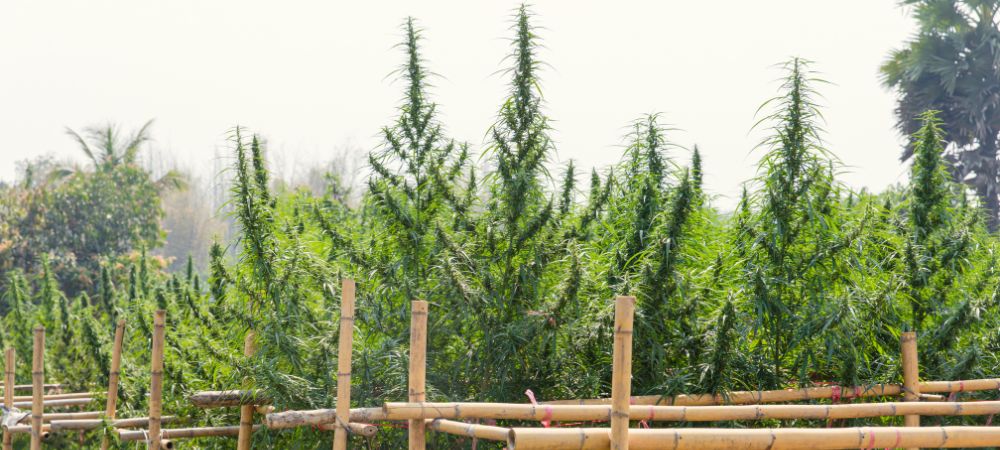
The legalization of cannabis has had a significant impact on the Thai economy. The cannabis industry, including production, sales, and cannabis-related tourism, has created new job opportunities and generated substantial tax revenues for the government. Thailand has a favorable climate for outdoor cannabis cultivation, which could give it a competitive advantage in the global market.
Medical benefits
The legalization of medical cannabis offers new advancements in research. In-depth scientific studies on the medicinal properties of cannabis are now possible, paving the way for potential treatments for conditions such as epilepsy, chronic pain, and muscle spasticity.
Social challenges
The legalization of cannabis in Thailand has also impacted society. While some applaud this measure as a move towards individual freedom and the end of cannabis consumer stigma, others express concerns about the potential increase in youth consumption and associated public health issues. Furthermore, 1,800 doctors signed a petition against this legalization. They also note that information regarding negative effects must be clearly visible on cannabis products.

The legalization of cannabis in Thailand in 2024 marks an important step in the evolution of national drug policies. This bold decision has opened new economic, medical, and social perspectives for the country. However, it requires careful implementation and continuous rigorous regulation to maximize its benefits while minimizing potential risks. The legalization of cannabis in Thailand has required significant efforts in education and awareness. Indeed, the future of cannabis in Thailand will undoubtedly be marked by new discoveries, challenges, and opportunities.



 Add as preferred source in Google