Personalized Attention +44 151 947 0713
 SHIPPING TO ALL

 9/10 Rating
 SALE TO MINORS PROHIBITED

Curious minds often ask: Are magic truffles legal in the UK? It’s a fair question, especially as interest in psychedelics grows. With all the buzz around microdosing, wellness trends, and alternative mental health therapies, many are naturally wondering whether psilocybin-containing products such as magic truffles fall into a legal grey area in Britain, or whether they’re outright banned. Whether you’re simply curious or considering traveling overseas, it’s essential to understand precisely what the law permits and prohibits.
Let’s dive in and clear up the confusion once and for all.
What are magic truffles?
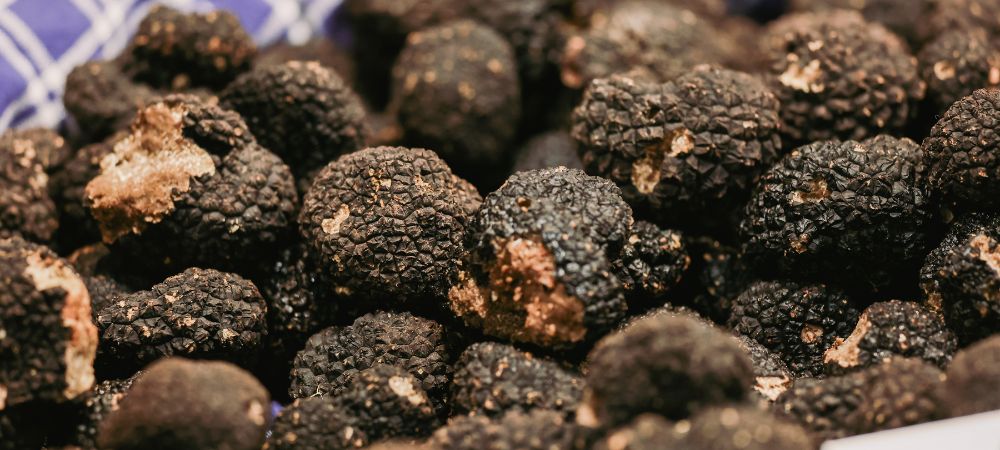
Magic truffles are the sclerotia of psilocybin-producing fungi—compact, nutrient-dense masses of hardened mycelium that develop underground. While they are part of the same organism as psilocybin mushrooms, they are not the fruiting bodies (the actual mushrooms) themselves. Despite this distinction, magic truffles contain the same primary psychoactive compounds: psilocybin and psilocin, which are responsible for their hallucinogenic effects. In other words, truffles and mushrooms share identical active substances but differ in their form and stage of development.
How magic truffles affect your mind and body
Magic truffles contain psilocybin, a naturally occurring psychedelic compound that can alter perception, mood, and thought. The effects typically begin within 30 to 60 minutes after consumption and can last between 4 and 6 hours, depending on the dose and individual sensitivity. Users often report vivid visuals, enhanced sensory perception, deep introspection, feelings of euphoria, and a distorted sense of time. At higher doses, the experience can become more intense and immersive, sometimes referred to as a “trip.” It’s worth noting that effects can vary widely and may also include temporary anxiety or confusion, especially in unfamiliar or uncomfortable settings.
Understanding UK legislation on magic truffles and psilocybin
The legal status of magic truffles in the UK is firmly established under existing drug laws, with no legal grey areas or loopholes. The key piece of legislation governing psilocybin-containing substances is the Misuse of Drugs Act 1971, which classifies psilocybin and psilocin—the two main psychoactive compounds found in both magic mushrooms and truffles—as Class A drugs. This is the highest classification, shared with substances such as heroin and cocaine, reflecting the law’s view of their potential for harm and lack of accepted medical use (under current UK policy).
Although the original 1971 Act primarily focused on substances in their processed or prepared forms, this was later clarified and expanded. In July 2005, the UK government introduced the Drugs Act 2005, which amended the Misuse of Drugs Act to close existing loopholes. Specifically, it made it clear that the fungi themselves, regardless of whether they had been prepared or not, were covered by the ban. This means that even fresh, unprocessed magic mushrooms—and by extension, the sclerotia (or truffles) they produce underground—are included in the Class A classification.
This clarification came into legal force on 31 January 2006, effectively outlawing any part of a fungus that contains psilocybin or psilocin. That includes dried mushrooms, fresh mushrooms, liquid extracts, spore kits (if capable of producing psilocybin), and magic truffles. While some people mistakenly believe truffles might be legal because they aren’t technically “mushrooms” above ground, UK law makes no such distinction. If it contains psilocybin, it is illegal, regardless of form or nomenclature.
Risks and enforcement
Possession, production, supply, or importation of magic truffles in the UK is therefore a criminal offense. Being caught with them could lead to arrest, prosecution, and serious legal consequences, including up to 7 years in prison, an unlimited fine, or both. Supplying or trafficking them (even gifting them) carries even harsher penalties—up to life imprisonment in some cases.
In summary, under current UK law, there is no legal way to buy, use, grow, or possess psilocybin truffles. Even if you purchase them legally abroad, such as in the Netherlands, they remain illegal in the UK. Importantly, attempting to bring them into the country—by post or in person—is treated the same as smuggling any other Class A substance. Customs and Border Force officers are alert to these imports. As a result, packages containing truffles are frequently intercepted.
Individuals found in possession may face criminal charges, including arrest, fines, or imprisonment. Even claiming ignorance of the law is not considered a valid defense. Whether they are purchased online, received as a gift, or carried across borders, magic truffles are illegal in every form within the UK. Therefore, the consequences of being caught with them can be severe.
Legal context of magic truffles in Europe
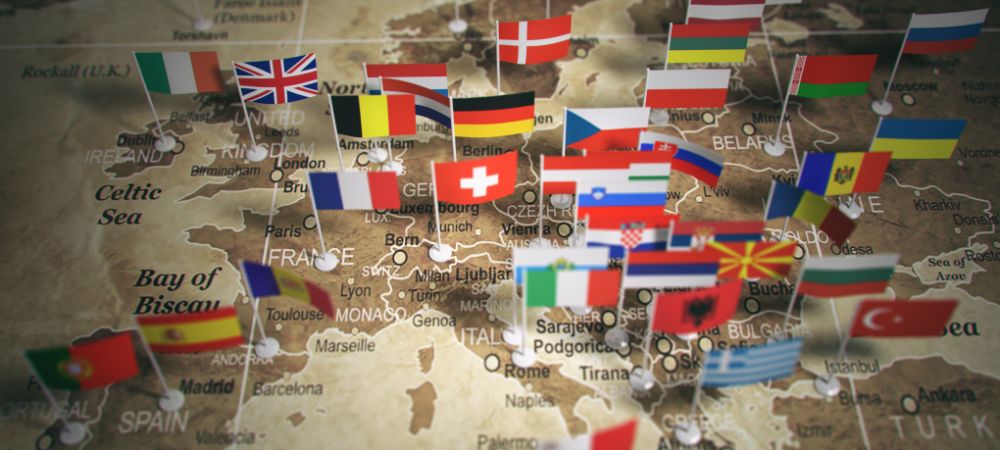
Across Europe, the legal status of hallucinogenic truffles varies significantly by country, reflecting differing attitudes toward psychedelics. In most EU nations, including France, Germany, and Italy, psilocybin and psilocin are classified as controlled substances. As a result, the sale and possession of magic truffles are illegal. However, the Netherlands remains a notable exception. While magic mushrooms were banned in 2008, magic truffles—technically a different part of the same fungus—were not included in that ban. Therefore, they remain legal for purchase and consumption through licensed smart shops. This legal distinction has made the Netherlands a popular destination for psychedelic tourism. In addition, laws in Portugal and Austria are more nuanced. In some cases, personal use is decriminalized but not fully legal.
Meanwhile, interest in the therapeutic use of psilocybin is growing across Europe. Clinical trials and public debates are becoming more common.
Despite this, magic truffles remain largely prohibited under EU drug control frameworks. Many countries align with the 1971 UN Convention on Psychotropic Substances. For this reason, travelers should always check local laws before considering use or possession.
Tips for using magic truffles safely
If you’re considering trying magic truffles, it’s essential to approach the experience with care, preparation, and respect. First, choose a calm, familiar environment where you feel safe. Ideally, have a trusted friend or “trip sitter” with you, especially if it’s your first time. Next, start with a low dose to gauge your sensitivity, as effects can vary widely between individuals. Also, avoid mixing truffles with alcohol or other substances, as this can increase the risk of anxiety or confusion.
Before you begin, make sure you have no important responsibilities for the day. The experience can last several hours and often leaves users feeling mentally and physically drained. Moreover, many people find it helpful to set a positive intention beforehand and to reflect on the experience afterwards. Lastly, always be aware of the legal status in your country. While truffles may be legal in places like the Netherlands, possession or use elsewhere can have serious consequences.
Stay informed, stay safe, and keep an eye on any future legal developments surrounding psilocybin.
FAQs about Magic Truffles
Where to buy magic truffles?
If you search online, you’ll find sellers in The Netherlands. However, shipping them to the UK is illegal, and customs can seize packages.
Are magic truffles legal?
In summary, no—they fall under the same Class A restrictions as mushrooms in the UK.
Best magic truffles to buy
This keyword might seem tempting, but again, remember there’s no legal UK source. Any purchase implies use abroad (like in Holland) and illegal import if brought into the UK.


 Add as preferred source in Google