Personalized Attention +44 151 947 0713
 SHIPPING TO ALL

 9/10 Rating
 SALE TO MINORS PROHIBITED
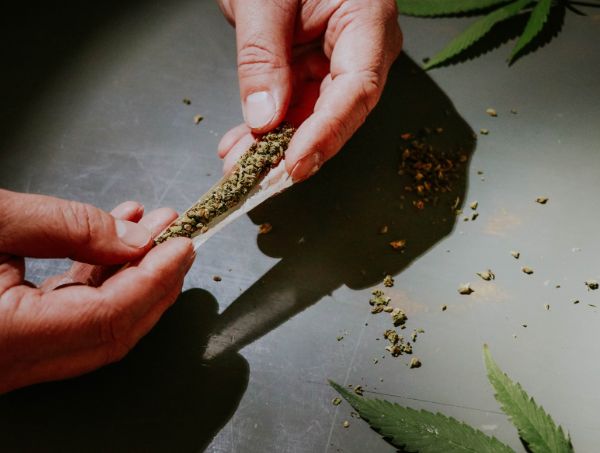
Is it possible to develop an addiction to marijuana? This is the most frequently asked question in the long-standing debate surrounding cannabis use and its possible consequences, a discussion that has been ongoing for years. For decades, the plant’s potential for addiction has been used as an argument for its prohibition. While cannabis is not a harmless substance, it is important to understand how it works once it enters the body in order to fully grasp its effects.
Marijuana is the most widely consumed illegal substance in the world. In addition, over recent decades, the idea of cannabis as a natural product that is not harmful to health has become more widespread among the population. For this reason, we will take a closer look at marijuana addiction and the uses of this substance.
Differences between tolerance, dependence, and addiction to marijuana
These three terms have long been used interchangeably, but the truth is that they refer to different concepts related to how a compound can affect the body.
- Tolerance: refers to the ability to feel a stronger or weaker effect when using a substance. An increase in tolerance means it no longer produces the same reaction as when use first began, which often leads to an increase in dosage.
- Dependence: is related to the well-known withdrawal syndrome, meaning that when use is stopped, a series of physical and mental reactions occur. The intensity of these reactions depends on the substance. Among the symptoms experienced by a consumer with withdrawal syndrome are:
- Anxiety
- Sleep disorders
- Loss of appetite
- Irritability
- Addiction: is a chronic brain disease that is characterized by compulsive substance use, despite negative consequences or interference with daily life, to the point of endangering a person’s health. Within addictive behavior patterns, the following are identified:
- A much greater increase in consumption than expected.
- Feelings of frustration when unable to stop using.
- It becomes an obsession, occupying a significant part of the user’s life.
- It affects social life, reducing work-related, social, and recreational activities.
- Loss of control, being unable to limit use despite knowing it is harmful.
- Denial of excessive use or adopting a defensive attitude.
Cannabis and dopamine
To understand how this happens, it is important to know how THC activates the brain’s reward system. This is because when THC enters the body, it activates cannabinoid receptors found in different regions of the brain, affecting nerve cells that activate the endocannabinoid system. As a result, it impacts areas such as thinking, concentration, movement, coordination, and perception.
When neurons synthesize the substance, they release dopamine, which reaches, among other areas, the nucleus accumbens, or pleasure center. When this center is overstimulated repeatedly, the brain responds by reducing the number of receptors to compensate. This is how tolerance develops.
Similarly, this mechanism can cause a loss of interest in activities such as sports, sex, or eating, which produce much lower levels of pleasure. According to studies, this behavior can lead to abusive use, which in turn carries a risk of developing addiction. That said, the addictive potential of cannabis is much lower than that of other substances.


Tolerance and dependence on marijuana
Generally, when there is regular and continuous use, the dose tends to increase in order to achieve the same effect. When use becomes abusive and habitual over time, it can end up generating dependence on cannabis, although the level of dependence is much milder. It is estimated that around 5% to 10% of cannabis users meet these criteria.
In some situations where use is abusive and prolonged, the user may experience what is known as withdrawal syndrome when consumption is interrupted. As a result, higher amounts of the substance are needed to feel well.
Among those who may develop dependence on cannabis are individuals who start using it at an early age—especially during adolescence—and those with a high frequency of use.
Addiction to marijuana
Marijuana addiction can occur in some cases where use becomes abusive. Although it does have addictive potential, it is relatively low compared to other commonly used and socially accepted substances such as alcohol or nicotine. Even so, it is possible to develop what is known as marijuana use disorder.
Statistics show that marijuana causes addiction less frequently, occurring in only about 10% of cases. This figure rises to 16.5% among those who began using it during adolescence. In comparison, the addiction rate for alcohol is around 15%, followed by cocaine at 17%, heroin at 23%, and nicotine at up to 32%.
This is also reflected in admissions for addiction treatment. 35.2% were due to alcohol, 28.9% to cocaine, and 18.4% in the case of cannabis. Likewise, addiction is considered to be influenced by several factors, such as:
- Genetic predisposition.
- Social, cultural, economic, and political context.
- Personal factors such as stress, trauma, or family environment.
- Method and frequency of use.
- Lifestyle.
Cannabis does not produce the same level of dependence and addiction as other substances, but excessive and prolonged use can have negative consequences. Today, there are different therapies and specialized centers for treating dependence. The first step in these cases is for the person with marijuana addiction to acknowledge the problem and obtain information on how to address it in order to seek help.



 Add as preferred source in Google