Personalized Attention +44 151 947 0713
 SHIPPING TO ALL

 9/10 Rating
 SALE TO MINORS PROHIBITED

Have you ever wondered which is stronger, HHC vs THC? In the world of cannabinoids, this question has become increasingly relevant with the rise of semi-synthetic compounds like HHC (hexahydrocannabinol). These compounds promise effects similar to THC (tetrahydrocannabinol) but come with some key differences. Keep reading if you want to know: is HHC stronger than THC?
What are HHC and THC?
THC, or tetrahydrocannabinol, is the primary psychoactive compound in cannabis. It occurs naturally in the plant and binds directly to CB1 receptors in the brain, resulting in intense feelings of euphoria and altered perception.
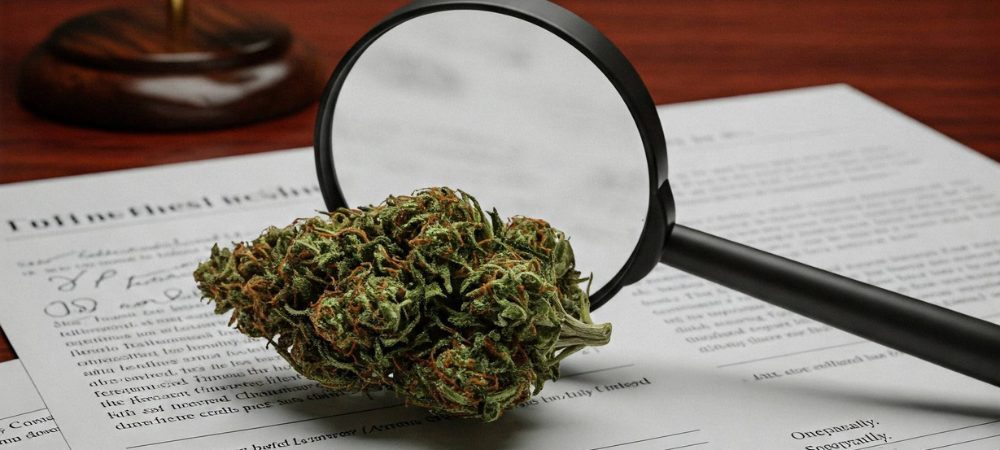
On the other hand, HHC, or hexahydrocannabinol, is a semi-synthetic cannabinoid created by hydrogenating THC or CBD. This process stabilizes the molecule by breaking carbon double bonds.
This enhanced stability allows HHC to resist heat and oxidation better, extending its shelf life. Chemically, the main difference is that HHC contains additional hydrogen atoms, which reduce its binding affinity to CB1 receptors compared to THC. This results in generally milder effects. That distinction is key to understanding why many users and early research consider HHC a lighter alternative to THC.
HHC vs THC: potency and effects comparison
One of the most common questions is: is HHC stronger than THC? Based on preliminary studies and user reports, the answer is no—HHC is not stronger than THC. It’s estimated that HHC has about 70–80% of THC’s psychoactive potency, meaning its effects are milder and less intense.
Effects of HHC and THC
THC produces:
- Strong euphoria
- Significant perceptual changes
- Side effects such as anxiety or paranoia, especially at high doses
Meanwhile, HHC induces relaxation, milder euphoria, and a lower risk of adverse effects—making it attractive to users seeking a less overwhelming experience.
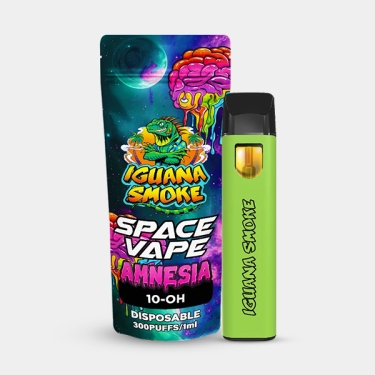
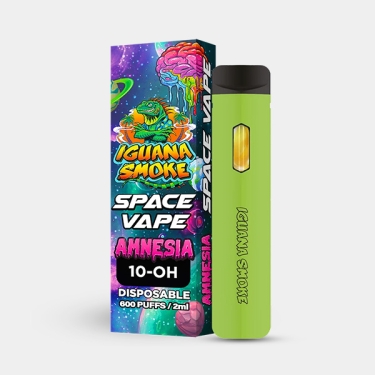
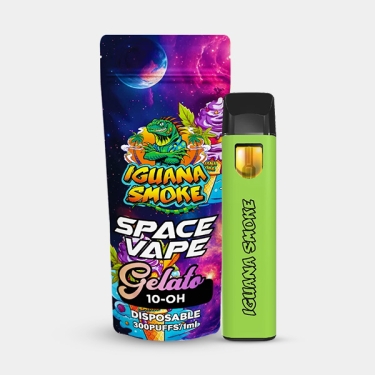
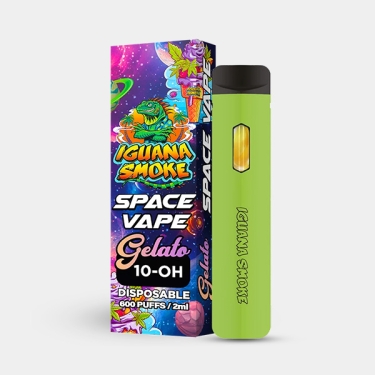
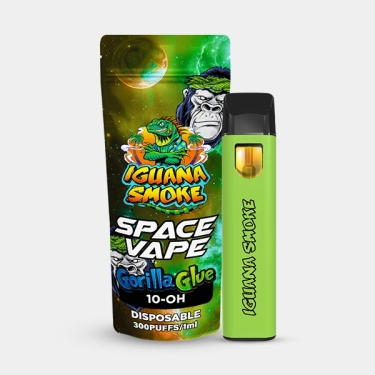
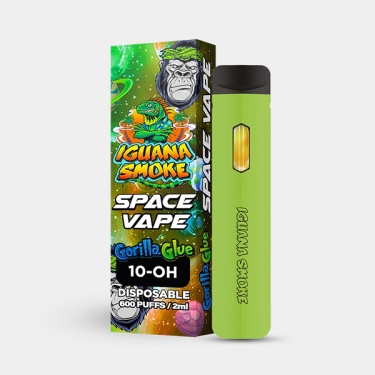
HHC and THC potency
Recent studies, although limited, suggest that HHC interacts with the same cannabinoid receptors as THC, but with lower affinity. For instance, the 9R-HHC isomer—considered the most potent—has about 75% of the activity of Delta-9 THC.
However, the lack of extensive research on HHC prevents any definitive conclusions. More clinical studies are needed to validate these findings.
Is HHC stronger than THC? Key differences
| THC vs HHC: key differences | ||
|---|---|---|
| Aspect | THC (Delta-9 THC) | HHC |
| Psychoactive Potency | High | Moderate (70–80% of THC potency) |
| Effects | Strong euphoria, perceptual shifts, potential anxiety or paranoia | Relaxation, milder euphoria, fewer adverse effects |
| Receptor Affinity | High CB1 and CB2 receptor affinity | Lower CB1 and CB2 affinity |
| Most Potent Isomer | Delta-9 THC | 9R-HHC (≈ 75% of THC activity) |
| Research | Extensive and well-documented | Limited, more clinical studies needed |
| Best For | Users seeking a strong recreational high | Those looking for a milder, less intense experience |
Legal status of HHC and THC in the United States (2025)
In the United States, the legal status of THC and HHC varies by state and remains complex due to federal and state-level distinctions. Delta-9 THC, the primary psychoactive compound in cannabis, is classified as a Schedule I substance under the Controlled Substances Act, making it illegal at the federal level. However, many states have legalized THC for medical or recreational use, with state-specific regulations governing its sale and consumption.
HHC (hexahydrocannabinol), a semi-synthetic cannabinoid derived from hemp-derived CBD, currently occupies a legal gray area in the U.S. It is not explicitly listed as a controlled substance at the federal level, and under the 2018 Farm Bill, hemp-derived cannabinoids are federally legal if they contain less than 0.3% Delta-9 THC. This loophole has allowed HHC products like vapes, gummies, and edibles to be sold legally in many states.
However, individual states have begun taking action to regulate or ban HHC due to concerns over its psychoactive effects and lack of long-term safety data. As of mid-2025, states such as Colorado, New York, and Oregon have introduced legislation to restrict or prohibit HHC sales, often placing it under the same scrutiny as Delta-8 and Delta-10 THC.
With the U.S. Food and Drug Administration (FDA) yet to issue clear regulations on semi-synthetic cannabinoids like HHC, the market remains largely unregulated, and consumers are urged to purchase from reputable retailers like GrowBarato.net, which comply with current hemp laws and offer lab-tested products.

Usage data and market trends in the U.S.
THC consumption is widespread across the U.S., especially in states where recreational cannabis is legal, such as California, Colorado, and Michigan. The market for THC products continues to grow, driven by demand for flower, edibles, concentrates, and vape cartridges.
HHC has emerged as a popular alternative for users seeking milder psychoactive effects or who live in states where Delta-9 THC remains illegal. Its popularity has surged online and in smoke shops, with products like HHC gummies, cookies, and vape carts becoming widely available on sites like GrowBarato.net.
Although official data on HHC usage in the U.S. is limited, consumer interest has grown rapidly, particularly among younger adults and CBD users looking for legal highs. This has prompted several states to reevaluate their hemp laws and tighten oversight of emerging cannabinoids.
Market analysts expect continued growth in the hemp-derived cannabinoid sector, despite increasing regulatory scrutiny. The uncertainty around legal status and potential health risks underscores the importance of consumer education and proper labeling.



 Add as preferred source in Google