Personalized Attention +44 151 947 0713
 SHIPPING TO ALL

 9/10 Rating
 SALE TO MINORS PROHIBITED

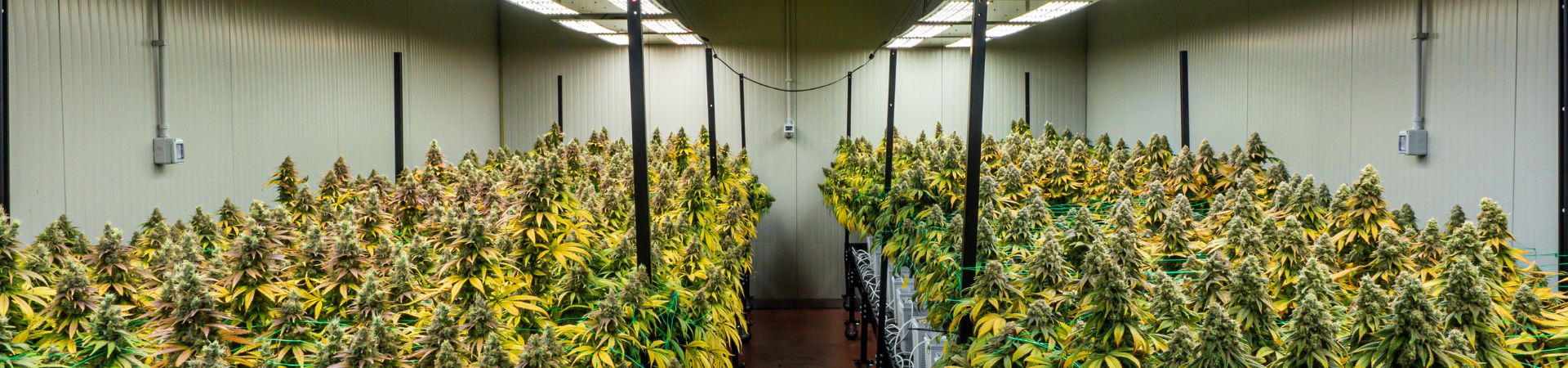
In this article, we’re going to discuss strategies for managing your indoor crop during the summer, particularly in regions with extreme heat. Many growers often halt cultivation during the summer due to potential issues like poor bud quality, hermaphroditism, and nutrient deficiencies. However, with the right techniques, you can continue to cultivate successfully even in the hottest months.
Challenges of growing indoors in hot climates
Understanding the impact of heat on your indoor crop
Indoor crops face unique challenges during the summer, especially in hot areas where temperatures can soar. High temperatures can lead to several problems, including:
- Poor bud quality: Excessive heat can affect the development of buds, resulting in lower quality yields.
- Hermaphroditism: Stress from high temperatures can cause plants to develop both male and female reproductive organs, leading to unwanted pollination.
- Nutrient deficiencies: Extreme heat can accelerate the metabolism of plants, leading to nutrient deficiencies and visible deficiencies such as leaf stains.
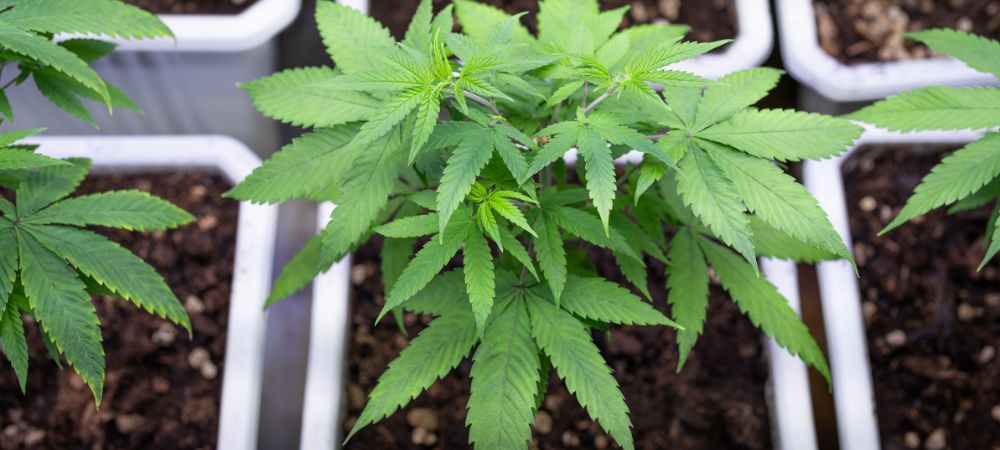
Indeed, it’s crucial to recognize that these issues are more prevalent in hotter regions,, compared to cooler climates such as the UK.
Strategies for maintaining ideal growing conditions
1. Temperature control
One of the most critical factors in indoor gardening is temperature control. The optimal temperature for most indoor plants is around 25°C (77°F). This temperature allows plants to efficiently use CO2, which is crucial for photosynthesis. Here’s how to manage temperature:
- Air circulation: Use fans or air extractors to circulate air and prevent heat buildup.
- Air conditioning: Consider installing an air conditioner to maintain a stable temperature, especially during the hottest parts of the day.
- CO2 enrichment: If temperatures rise above 30-35°C (86-95°F), consider increasing CO2 levels to 1000-1800 ppm. This can enhance plant resilience and yield quality.
2. Humidity management
High temperatures often lead to increased humidity as plants transpire more. Managing humidity is crucial to prevent mold and other moisture-related issues:
- Dehumidifiers: Use dehumidifiers to maintain optimal humidity levels, typically between 40-60%, depending on the plant species.
- Ventilation: Ensure your grow space is well-ventilated to help control humidity levels.
Lighting considerations
Choosing the right lighting
Lighting is another crucial element in indoor growing, particularly in managing heat:
- Low consumption lights and LEDs: These lighting options generate less heat compared to traditional HID lights. CFL and LED lights are energy-efficient and can help keep temperatures down.
- SCRoG System: Implementing a Screen of Green (SCRoG) system can maximize light penetration and efficiency, especially when using lower intensity lights.

GB Lighting 600W V3.0 Dimmable LED System

GB Lighting LED Panel Pro V3 150W

GB Lighting Dimmable 250W Pro V3.0 RESINX LED System
Conclusion
By implementing these strategies, indoor growers can continue to cultivate their crops even during the hot summer months. Temperature control, proper lighting, and humidity management are key to maintaining healthy and productive plants. Happy growing!