Personalized Attention +44 151 947 0713
 SHIPPING TO ALL

 9/10 Rating
 SALE TO MINORS PROHIBITED

Hash oil, a concentrated product derived from cannabis resin, is obtained through the extraction of cannabinoids from cannabis plants, frequently employing solvents. Subsequently, these solvents are evaporated, leaving behind a residue abundant in THC, the principal psychoactive compound of cannabis. Moreover, hash oil distinguishes itself for its elevated potency and cannabinoid concentration, rendering it an efficient means for users to encounter a heightened effect in contrast to cannabis in its dried flower state.
What is Hash Oil?
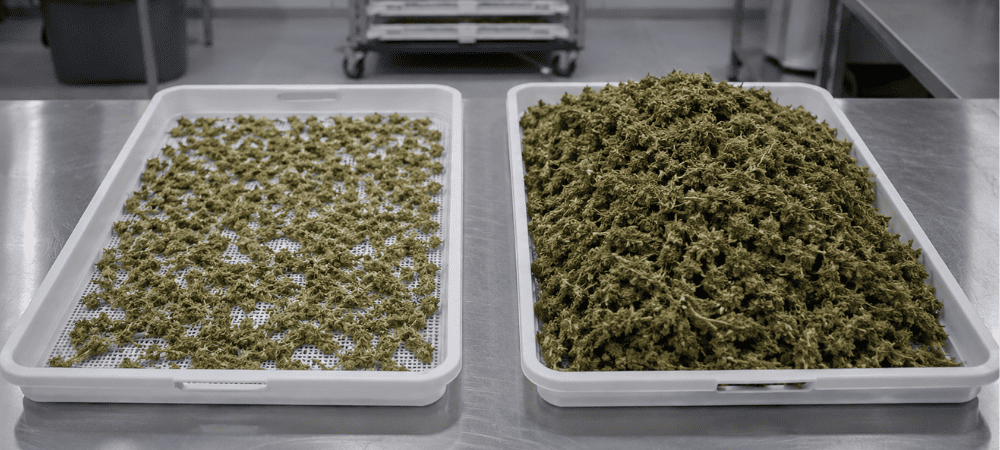
Currently, there are multiple techniques for converting cannabis buds into different types of extractions, including hash oil. It’s an increasingly popular cannabis extract among growers, made using plant trimmings or buds.
Thus, hash oil is the resin of the marijuana plant, which has been combined with a small amount of the same.
Composition of Hash Oil
Hash oil is characterized by its high concentration of cannabinoids and rich composition of terpenes and flavonoids, which are responsible for its aroma, taste, and properties. When done correctly, this type of extraction can reach between 30 and 90% THC. Moreover, the same applies to CBD hash if cannabidiol plants are used.
This oil can vary in texture and viscosity, from a thick and sticky substance to a more liquid one, depending on the extraction method and processing. The popularity of hash oil has increased as users and patients seek alternative and more potent consumption methods.

Extraction methods
Various methods are available for extracting hash oil, each presenting a diverse purity and potency spectrum. The primary objective is to isolate the psychoactive elements of the cannabis plant in order to procure a potent concentrate.
Solvents for making Hash Oil
Within solvent methods, various chemicals are used to dissolve and extract cannabinoids and terpenes from the plant flowers:
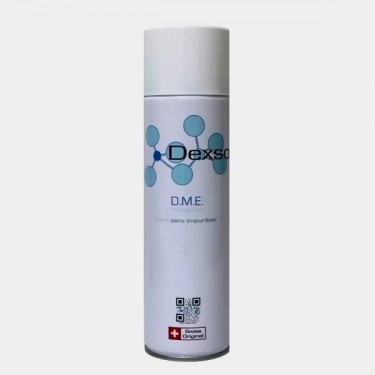
- One of the most well-known methods is BHO (Butane Hash Oil), where butane acts as a solvent. This process requires specialized equipment to ensure the safety and quality of the resulting oil. Likewise, propane can be used, in which case it would be called PHO (Propane Hash Oil).
- Additionally, isopropyl alcohol can be used, which, although less dangerous, still requires careful handling and appropriate ventilation conditions.
- Another method is supercritical CO2, which uses carbon dioxide in a supercritical state to extract cannabinoids. This technique is preferred by some due to its ability to precisely manipulate the compounds extracted, as well as being a safer and environmentally friendly alternative.

How to extract Hash Oil?
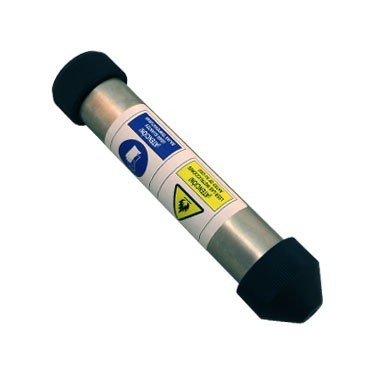
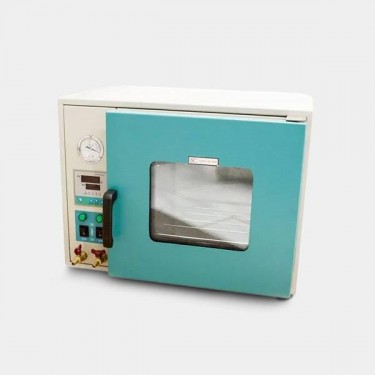
Before starting, it’s necessary to have a steel or borosilicate tube, a gas bottle, a Pyrex tray or non-stick container, as well as a vacuum purge oven if possible. The steps are as follows:
- Introduce the plant material into the steel or borosilicate tube and insert the tube inlet into the gas bottle inlet valve.
- Open the valve of the chosen gas.
- Place the tray to collect the marijuana trichomes that will be carried along.
- Once the extraction is obtained, it should be purged correctly using a vacuum purge oven.
- This entire process should be carried out in an open or well-ventilated area since flammable and toxic gasses are involved.
Medicinal and therapeutic uses
It is obtained from the concentrated resin of the cannabis plant and contains significant levels of different cannabinoids, with THC being prominent. Furthermore, this compound is primarily responsible for the psychoactive effects of the plant but also for several of its therapeutic benefits.
- Pain relief: Hash oil is recognized for its analgesic effects. It is commonly used to reduce various types of pain, including neuropathic pain and pain associated with chronic conditions.
- Muscle relaxation: Its high THC content can help relax muscles, being a possible treatment for spasms or muscle pains.
- Inflammation reduction: Certain cannabinoids have been observed to have anti-inflammatory properties, which could potentially benefit individuals with inflammatory conditions.
- Anxiolytic and anti-stress effects: Some users report a reduction in anxiety and stress after consuming this substance.
- Appetite stimulant: It can be useful in cases where increasing appetite is necessary, such as in patients undergoing chemotherapy.
It is crucial to underscore that the efficacy and safety of hash oil can fluctuate based on both dosage and individual factors. Therefore, it is prudent to seek guidance from a medical practitioner or healthcare specialist before incorporating it into medicinal or therapeutic regimens. Moreover, it is imperative to take into account the prevailing legal regulations governing the consumption of cannabis-derived products in one’s jurisdiction.




 Add as preferred source in Google