Personalized Attention +44 151 947 0713
 SHIPPING TO ALL

 9/10 Rating
 SALE TO MINORS PROHIBITED

HHC (hexahydrocannabinol) has started gaining significant attention in the cannabis world due to its unique chemical structure and effects similar to other well-known cannabinoids. As its popularity grows, so do the questions about how long HHC last in the system, especially in the context of drug tests for driving or employment.
Although currently there are no drug tests specifically designed to detect HHC, some studies suggest its metabolites might be picked up by standard testing methods used for detecting THC. In this article, we explain how HHC interacts with the body, how long it may stay detectable, and what factors influence its elimination.
Can HHC be detected in a drug test?
This is without a doubt one of the most frequently asked questions among HHC users. The answer isn’t simply yes or no, because detecting HHC in drug tests is still a complex and evolving topic. While there are no standardized drug tests currently targeting HHC, this doesn’t mean its use goes completely unnoticed.
The key lies in HHC metabolites. Once processed by the body, HHC creates byproducts that may be structurally similar to those of THC. This means that standard cannabinoid tests—especially urine immunoassays, which are the most common—can mistake HHC metabolites for THC. In other words, while they’re not directly searching for HHC, the presence of its metabolites may trigger a false positive.
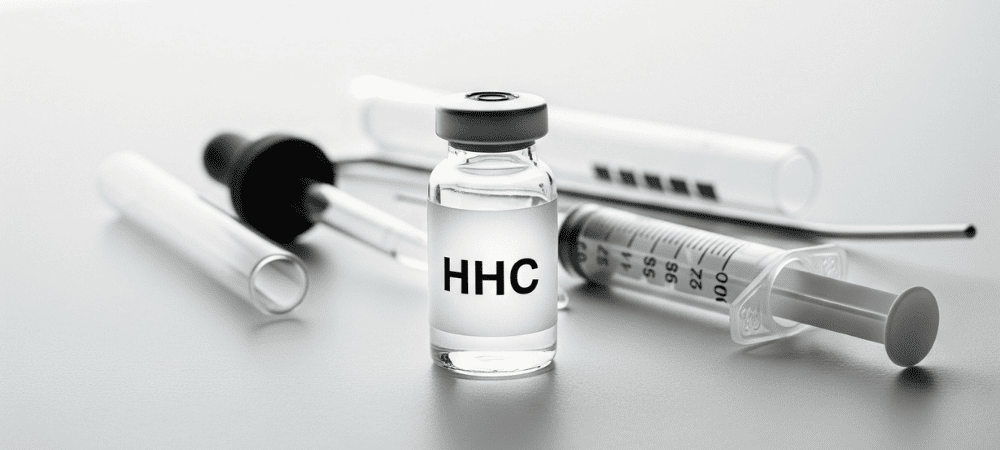
How long does HHC last in your body?
Although HHC occurs naturally in cannabis plants in only trace amounts, it is mostly produced through hydrogenation—adding hydrogen atoms to other cannabinoids like THC to create a more stable and shelf-stable molecule. This process not only extends HHC’s shelf life, but also gives it mild psychoactive effects that are similar to THC, though typically less intense.
When determining how long HHC lasts in the system, there’s no one-size-fits-all answer. In reality, it varies widely based on the individual’s profile and how they consumed the substance. Additionally, the type of drug test used plays a significant role. Factors like dosage, frequency of use, and personal metabolism all directly affect how long HHC can be detected in your body.
Based on the type of user
The length of time HHC stays in the body can vary significantly depending on usage patterns.
- For occasional users, the body may eliminate the compound within 2 to 5 days.
- In contrast, for frequent or chronic users, HHC metabolites may accumulate in fat stores, prolonging detection for several weeks. This is similar to THC, which can remain detectable for up to 30 days or more in regular users.
Based on the type of drug test
When it comes to detecting HHC in the body, not all drug tests are equal or offer the same detection windows. Each test has its own specifications, and its effectiveness depends on the method used and the timing. Below, we explain how different tests work and how long HHC may be detectable with each one.
| Type of Test | Details |
|---|---|
| Urine Test | May detect the presence of HHC for several days in occasional users, and up to several weeks in regular users. |
| Blood Test | Detects HHC almost immediately, making it most effective within hours or the first few days after use. After that, HHC metabolites are no longer present in the blood. |
| Saliva Test | Can detect HHC within the first 24 to 48 hours after consumption. |
| Hair Follicle Test | This method can trace HHC for several months, as the metabolites become embedded in the hair structure as it grows. |
Factors that influence how long HHC lasts in the body
The duration of HHC in the system isn’t the same for everyone; it depends on various factors that directly influence how long this cannabinoid remains detectable. Below, we break down the most important aspects:
- Amount consumed: Higher or more frequent doses of HHC mean it stays in the system longer due to metabolite accumulation. On the other hand, small or occasional doses are eliminated more quickly.
- Frequency of use: Regular use causes HHC to build up in the body, remaining detectable for weeks. Occasional use clears out faster.
- Type of drug test: Each testing method has a different “detection window.” Not all tests have the same sensitivity or cannabinoid detection capability.
- Metabolism and body composition: A fast metabolism flushes out HHC more quickly, while a slower one can prolong its presence. Since HHC is stored in body fat, it tends to last longer in individuals with higher fat percentages.
- Product quality: The purity of the HHC matters too. Some products may contain traces of THC or impurities that extend how long they remain detectable in the body.
Therefore, there’s no fixed timeframe for how long HHC lasts in the body, but considering these factors, we can get a better idea of why it varies so much from person to person.

Tips to speed up HHC elimination from your system
Although how long HHC lasts in the body depends on many individual factors, there are some helpful recommendations that can support faster elimination or at least reduce potential risks. It’s also crucial to act responsibly, as HHC can affect your reflexes and concentration. Here are some key tips to keep in mind:
- Start with a low dose. Taking small amounts reduces the burden on your system. This not only shortens how long HHC stays in your body, but also lowers the risk of unexpected or overly strong effects.
- Avoid using HHC before driving or operating machinery. Even if HHC isn’t always easily detected, it can impair your perception and reflexes. It’s best to avoid any high-risk activity until the substance has been fully metabolized.
- Give your body time to fully process the effects. Patience is key. Avoid mixing HHC with other substances and allow time for your body to rest and recover. This helps speed up the elimination process safely and effectively.



By following these guidelines, you not only help remove HHC from your system faster, but also protect your overall well-being and safety.



 Add as preferred source in Google