Personalized Attention +44 151 947 0713
 SHIPPING TO ALL

 9/10 Rating
 SALE TO MINORS PROHIBITED


Cannabis is one of the plants most widely used for its medicinal properties. However, THC, the psychoactive component of marijuana, is a substance classified as toxic and can be detected in different types of tests.
That is why more and more people are asking: how long does marijuana stay in the blood? And in urine? Unfortunately, this is a question that cannot be answered with precision, as it depends on various factors that we explain below.
Factors that influence how long THC stays in the body
The time THC remains in the body depends, primarily, on how quickly each metabolism is able to eliminate it from the system. But it is also determined by other factors:
- Frequency of use: frequent or chronic users retain THC in their bodies for longer than occasional users. This is because THC is stored in fatty tissue, and with repeated use, more THC accumulates, which can prolong its presence in the system.
- Method of consumption: the way cannabis is consumed also plays an important role. Smoking or vaporizing THC using marijuana vaporizers produces immediate effects that usually last a few hours, but it is eliminated faster than when ingested in edibles. Edibles take longer to metabolize and the effects can last much longer, which also extends the time THC remains in the body.
- Individual metabolism: people with a fast metabolism tend to eliminate THC more quickly. Those with a slower metabolism may retain THC for longer. Factors such as genetics, age, and general health also influence how quickly the body processes substances.
- Hydration and physical activity: drinking plenty of water and exercising can help speed up the elimination of THC, as water and exercise promote the excretion of metabolites through urine. THC is also eliminated through sweat, so physical activity can facilitate its expulsion.
What happens when you smoke it?
When marijuana is smoked, the active compounds, mainly tetrahydrocannabinol (THC) and cannabidiol (CBD), enter the bloodstream quickly through the lungs. Some of the effects of consuming marijuana are as follows:
- Perception.
- Mood.
- Motor coordination and memory.
- Increased appetite.
- Reduced pain perception.
- Feelings of relaxation or euphoria.
How is THC processed in the body?
The body metabolizes THC primarily in the liver, where it is converted into active compounds, such as 11-hydroxy-THC, which are even more potent and can prolong the effects. These metabolites are then excreted through urine or feces.
The effects of THC can last for several hours, depending on various factors, and some metabolites remain in the body for days or even weeks, especially in frequent users.
Marijuana and drug testing
There are different types of tests to check if marijuana has been consumed, which measure THC-COOH, a metabolite that the liver secretes into the blood when it breaks down THC and which lasts much longer in the body.
In Spain, it is not legal to perform drug tests at work because there are no regulations governing it. However, Article 22 of the Occupational Risk Prevention Law regulates the monitoring of worker health based on the risks involved in the position. This means that when a job activity carries a certain level of danger, the company may request an examination, which can only be carried out with the employee’s consent.
On the other hand, there are roadside breathalyzer and drug tests that are mandatory. The problem is that a person may have consumed marijuana on Friday night and still test positive on Monday morning. Precisely to avoid sanctions or more serious situations, it is useful to know how long THC stays in the body depending on the type of test.
When marijuana can appear in a drug test
As we were saying, there are different types of tests to detect THC, some more sensitive than others. Therefore, this substance can be detected in the body for different periods of time depending on the type of test used.
Duration of THC in saliva
It is one of the most common tests, as it is quick and easy to perform anywhere. It is the technique used for roadside drug control tests, and its use has become increasingly widespread, which is why it is replacing urine tests in companies, as it is harder to evade if there has been recent consumption. They use this test because it is the fastest and most reliable, and the one that detects the most consumers.

Cannabis can be detected in saliva starting from the first hour after consumption and remains present from 24 to 72 hours later. However, a regular consumer may continue to test positive for up to 1 week later.
How long marijuana stays in urine
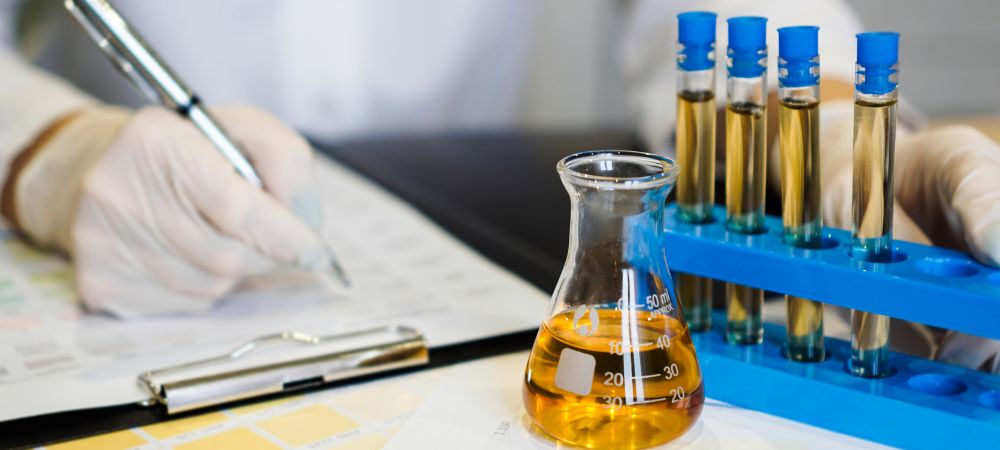
The urine test is one of the most conclusive and decisive when it comes to detecting the presence of cannabis in the body. But how long does marijuana stay in urine?
The duration of marijuana in urine can be:
- Between 5 and 7 days for non-habitual smokers.
- Up to 15 days later for weekend smokers.
- In the case of habitual consumers and addicts, one can test positive for up to 70 days after the last use.
THC in hair: how long does it last?
Although it is one of the least used, it is one of the most accurate tests to know how long marijuana stays in the body, even being able to detect the exact week in which cannabis was used. Furthermore, it is almost impossible to alter the results.
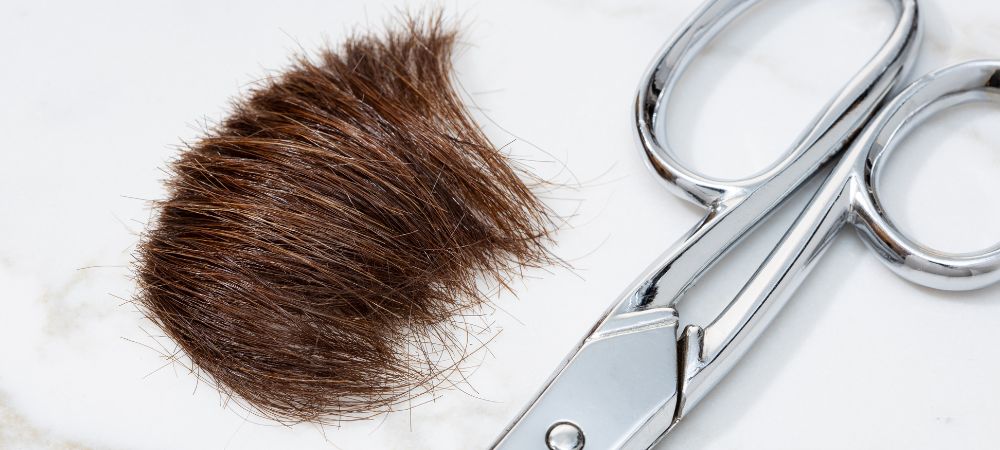
Despite its effectiveness, it is rarely used due to its high cost. To understand how it works, it must be taken into account that the blood that nourishes the hair and contains the THC becomes fixed as the hair grows, remaining there until it is cut. Thus, with just 1.5 cm, it is possible to detect what has been consumed in the last 3 months.
How long marijuana stays in the blood
The blood test is usually used after an accident or in extreme cases to determine if marijuana or other types of substances have been taken recently. It detects ng/ml to know precisely if it has been consumed recently or not.
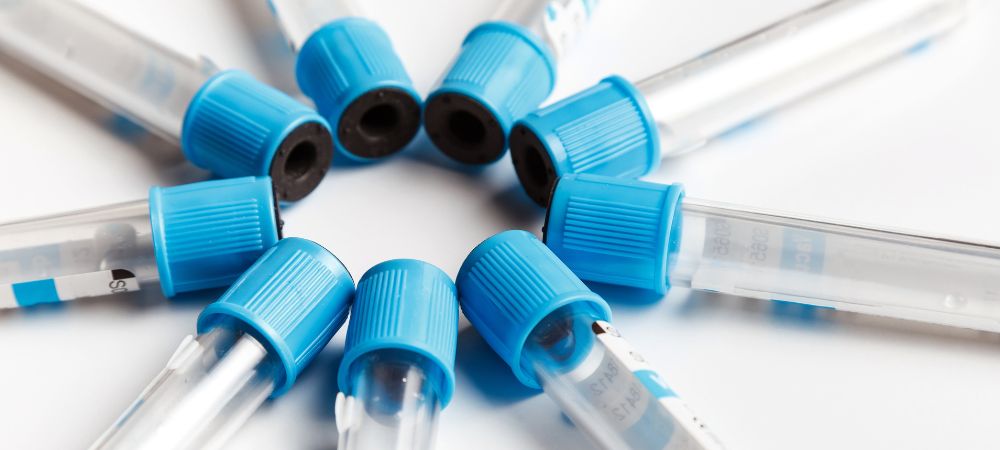
In these tests, one can test positive from 4-5 days after consumption and 15 days for habitual consumers, reaching 30 days in some cases.
Comparison: how long marijuana stays in the body
In summary, the differences in the duration of THC in the body are as follows:
| Type of use | Blood | Urine | Saliva |
| Once | 1-2 days | 2-5 days | 12-24 hours |
| Occasional | 4-5 days | 5-7 days | 12-24 hours |
| Regular | 15 days | 15 days | up to 48 hours |
| Habitual | 30-100 days | up to 70 days | up to 7 days |
Although knowing how long THC stays in the body depends on multiple factors, different products can be used to eliminate it more quickly.
What do studies say about how long marijuana stays in the body?
Scientific studies have shown that the duration of marijuana in the body varies according to consumption, frequency, and quantity. Some of these are:
- Marijuana Elimination Patterns in Chronic Users: this study published in Clinical Chemistry (2009) found that the psychoactive effects of THC usually last between 2 and 4 hours in occasional users, with a maximum of 12 hours in cases of high consumption. However, THC and its metabolites remain in the body long after the effects have worn off.
- The research published in The Journal of Analytical Toxicology, titled “Detection Time of Marijuana Metabolites in Urine of Occasional and Chronic Users,” indicated that in occasional consumers, THC can be detected in urine up to 3 days after consumption. In regular users, however, THC metabolites can be detected for weeks, even up to a month, because THC is stored in fatty tissues and is released slowly into the body.
- On the other hand, in saliva, it is detected immediately after consumption and persists between 12 and 48 hours in occasional users, extending up to a week in frequent users, as described in the article “Detection of Δ9-Tetrahydrocannabinol in Oral Fluid Following Controlled Cannabis Administration” from Forensic Science International (2005).
In addition, a more recent analysis in Substance Use & Misuse (2020) highlighted that THC metabolites can persist in the body for longer in individuals with a high body mass index, as THC is lipophilic and accumulates in fat cells. These findings underscore how the duration of marijuana in the body depends on a combination of factors, such as frequency of use and individual characteristics.
Tips to accelerate THC elimination
THC from marijuana is processed in the liver; therefore, trying to accelerate metabolism can help the liver eliminate the substance more quickly. The best way to achieve this is to engage in physical activity and stay hydrated to promote natural elimination through urine and sweat.
To avoid positive results in these tests, mineral complexes are often used to help eliminate THC more quickly and effectively.
For this, there are saliva toxin cleansers such as Magnum Mouthwash or Kleaner, which make it difficult to detect THC in tests. There are also supplements that accelerate the detoxification process for elimination through urine, such as High Voltage Detox. Likewise, there is a method to detoxify hair, known as the Macujo method, which consists of using a special product that opens the cuticles to thoroughly clean the central part of the follicle, which is where the metabolites are stored.