Personalized Attention +44 151 947 0713
 SHIPPING TO ALL


 9/10 Rating
 SALE TO MINORS PROHIBITED


Hexahydrocannabinol (HHC) has been steadily gaining popularity due to its psychoactive properties and its ambiguous legal status across Europe. Originating as a hydrogenated derivative of tetrahydrocannabinol (THC) or cannabidiol (CBD), HHC occupies a unique space in the cannabis market. It’s often marketed as a legal alternative to THC because of its milder effects. At Growbarato, we’re here to explain everything you need to know — effects of HHC, its legal status in Spain, and why it’s so difficult to find reliable data about its use.
What is HHC?
HHC is a semi-synthetic cannabinoid that appears in only trace amounts in cannabis seeds. However, nearly all HHC available on the market is produced through a chemical process called hydrogenation. In this process, hydrogen molecules are added to CBD — and sometimes THC — to create HHC. This modification makes the molecule more stable and resistant to degradation compared to THC.
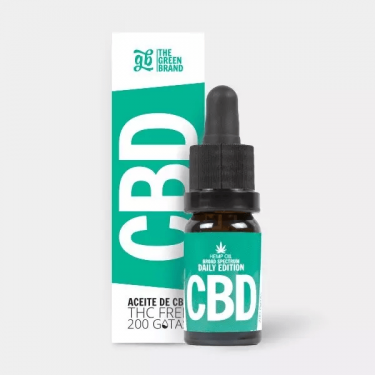


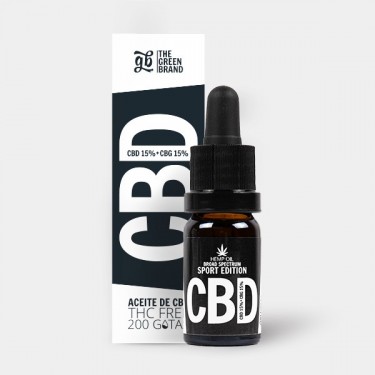
Chemically, HHC is very similar to Delta-9 THC — the main psychoactive compound in cannabis — but with key differences due to hydrogenation. These differences affect both its potency and how it interacts with the endocannabinoid system. As a result, HHC is generally considered to be less psychoactive, offering effects somewhere between CBD — which is non-psychoactive — and THC, which produces a stronger high.
HHC vs. THC effects: how are they similar and different?
A common question among users is: Are the effects of HHC the same as THC? The short answer is: They’re similar, but not identical. Here’s a breakdown of the similarities and differences between the two substances:
Similarities:
- HHC’s chemical structure is very close to Delta-9 THC (the main psychoactive component in cannabis).
- It binds to the same endocannabinoid receptors (CB1 and CB2), which regulate the “high” and other body effects.
- Commercial HHC typically contains a mix of two isomers: (9R)-HHC, which has psychoactive effects similar to THC, and (9S)-HHC, which binds well but produces weaker effects.
Key Differences:
- Most users and preliminary studies suggest that HHC is less potent than THC. It’s often described as having a more relaxed, clear-headed, and functional effect — with a lower risk of anxiety or paranoia (though the risk is still present).
- HHC is chemically more stable.
Below is a comparison chart to illustrate the differences.
| Characteristic | HHC (Hexahydrocannabinol) | THC (Delta-9 Tetrahydrocannabinol) |
|---|---|---|
| Main Origin | Semi-synthetic (Lab-made from CBD/THC) | Natural (Main psychoactive in cannabis) |
| Legality (Spain) | BANNED (Since April 22, 2025) | Illegal (Allowed <0.2% in hemp) |
| Psychoactivity | Yes, generally MILDER than THC | Yes, STRONG |
| Common Effects | Relaxation, mild euphoria, calm, appetite | Intense euphoria, altered perception, laughter |
| Main Risks | Anxiety, dizziness, cardiovascular, psychosis, GI issues. Long-term data lacking | Anxiety, paranoia, tachycardia, memory loss, psychosis (in predisposed individuals) |
| Chemical Stability | More stable | Less stable |
Health effects of HHC
The growing popularity of HHC has sparked interest in its potential health effects. It’s important to note that research on HHC is still limited, and a full understanding of its short- and long-term effects is still developing. Below, we explore the effects that have been reported with its use.
Short-term effects of HHC
According to user experiences and some clinical observations, the short-term effects of HHC include several positive experiences, such as:
- Relaxation
- Euphoria
- Calmness
- Drowsiness
- Increased appetite
However, around 17% to 20% of surveyed users also reported adverse effects such as gastrointestinal discomfort and cardiovascular issues, among others. These findings suggest that while HHC may be perceived as milder, it is not free of significant risks—especially at higher doses or in susceptible individuals.
Long-term risks and benefits
Scientific evidence on the long-term health effects of HHC is still limited. Most studies have focused on its immediate effects or its interaction with endocannabinoid receptors, leaving out the potential outcomes of continued use. While some users claim that HHC may provide prolonged pain relief or reduced anxiety compared to THC, these observations are based on personal experiences and lack clinical support. The absence of long-term research means that its potential therapeutic value remains, for now, an unconfirmed hypothesis.

These findings reveal a balance between risks and benefits that varies significantly from one user to another, highlighting the need for personalized approaches to both the use and regulation of HHC.
Reliability and limitations
The current reliability of data on HHC’s health effects is mainly limited by the lack of human studies and the reliance on user experiences rather than controlled clinical trials. In addition, HHC products were not standardized, meaning their concentration and purity could vary widely.
Is HHC legal in Spain today?
As of April 22, 2025, Spain’s Ministry of Health has officially added HHC and its derivatives (such as HHC-O) to the list of controlled psychotropic substances, according to the BOE (Official State Bulletin) provision 8109, no. 97. This means that, from that date onward, HHC is banned in Spain.
Under this new framework, health authorities and law enforcement are authorized to take legal action against individuals or businesses involved in the manufacturing, distribution, sale, possession, or dispensing of HHC products.
Why was it banned?
The main reasons for this decision include:
- Psychoactive effects: Its ability to get users “high” and alter mental states.
- Lack of safety data: Serious uncertainty about both short- and long-term effects, along with demonstrated risks.
- Public health concerns: Reports of poisonings and serious adverse reactions.
- EU alignment: By April 2024, at least 18 other EU countries had already banned HHC for similar reasons.
- International framework: Spain aims to align with international drug conventions, such as the 1971 UN Convention on Psychotropic Substances.
Despite the ban, questions remain about how the new regulation is being enforced and about possible legal loopholes, especially as new HHC derivatives may enter the market under different classifications. All of this suggests that Spain’s legal framework for HHC will need to evolve over time to address new challenges as they arise.




 Add as preferred source in Google