Personalized Attention +44 151 947 0713
 SHIPPING TO ALL

 9/10 Rating
 SALE TO MINORS PROHIBITED

When discussing psychedelics, one of the most popular topics right now is the difference between microdosing and macrodosing. Both terms refer to ways of consuming substances like psilocybin or LSD, but with very different purposes, doses, and effects. While microdosing aims to provide subtle emotional, cognitive, or creative benefits without significantly altering perception, macrodosing is associated with deep, introspective, and often transformative experiences.
Understanding what each method involves, how it’s used, and its potential effects on the body and mind is key for anyone approaching these practices. In this article, we clearly explain the main differences between microdosing and macrodosing, helping you determine which might be more suitable based on your needs, experience, and context.
What is microdosing?
A microdose is a very small amount of a psychedelic substance, low enough to avoid hallucinogenic effects, but active enough to produce subtle changes in mental or emotional state. Typically, a microdose is about 5% to 10% of a full dose. For psilocybin, for example, this equates to roughly 0.1 to 0.3 grams of dried mushrooms or 0.5 to 1 gram if fresh.
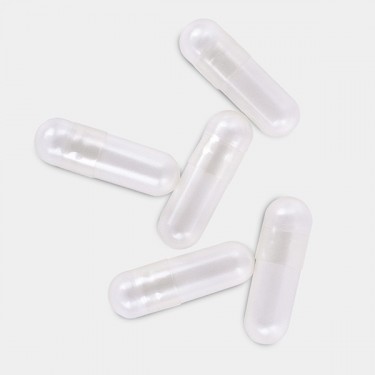
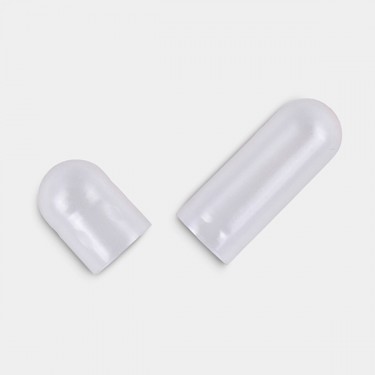
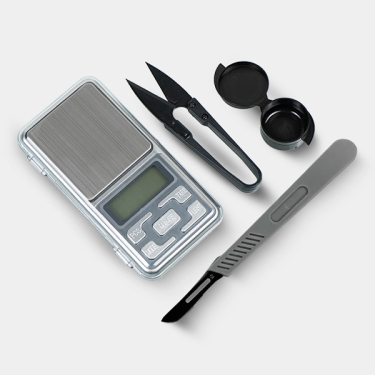
The most sought-after effects from this dosing include mood enhancement, increased mental clarity, reduced anxiety, improved productivity, a creative boost, and better stress management. Many people describe the sensation as a “light tune-up,” helping them feel more focused without disrupting their daily routine.
For this reason, microdosing has become especially popular in work, therapeutic, and creative contexts and is usually part of structured cycles (for example, one day on, two days off) that allow evaluation of its effects over time. Although not officially approved as a medical treatment, research is increasingly exploring its potential for mild depression, attention disorders, and even social anxiety.

What is macrodosing?
Unlike microdosing, a macrodose involves consuming a full dose of a psychedelic substance, enough to trigger a powerful, deep, and often transformative experience.
This type of dosing usually aims for total immersion in the psychedelic experience, which may include visions, sensory distortions, ego dissolution, and strong emotional or introspective content. Many describe it as an “inner journey,” exploring trauma, mental patterns, or states of consciousness that are otherwise difficult to access.
That said, it’s not an experience to be taken lightly. Due to its intensity, it requires proper preparation, a safe environment, and ideally, specialized or trusted support. Poorly managed, it can be overwhelming or even counterproductive.

Key differences between microdosing and macrodosing
While both microdosing and macrodosing involve psychedelic substances, the experiences they produce, their goals, and the contexts in which they are used could not be more different. Understanding these differences is essential to choosing consciously, safely, and in a way that fits your real needs. Here is a comparison table highlighting the key aspects:
| Aspect | Microdosing | Macrodosing |
|---|---|---|
| Amount | 0.1–0.3 g dried mushrooms (psilocybin) / 5–20 µg LSD | 2–5 g dried mushrooms / 100–200 µg LSD |
| Immediate Effects | Subtle: mental clarity, mild mood improvement | Intense: visions, sensory distortion, ego loss |
| Use Goals | Everyday wellbeing, focus, emotional regulation | Deep introspection, therapy, consciousness expansion |
| Recommended Frequency | Cyclical (e.g., 1 day on, 2 days off for 4–10 weeks) | Very occasional (once a month or less) |
| Emotional / Cognitive Impact | Gradual, cumulative, manageable | Intense, transformative, sometimes challenging |
| Required Setting | Daily life (work, study, routine) | Safe, quiet space without interruptions; ideally with guide or sitter |
| Associated Risks | Low (if dose and frequency are respected); possible placebo effects | High if not well-prepared: anxiety, panic, confusion, “bad trip” |
Which one is best for you?
There is no one-size-fits-all answer to this question because the choice between microdosing and macrodosing largely depends on your personal situation, your experience with psychedelics, and what you’re seeking. It’s not just about the amount, but also about intention and context.
Before deciding, it’s helpful to ask yourself some key questions: Do you have previous experience with psychedelics, or is this your first time? What exactly are you looking for: mental clarity, emotional relief, creativity, or a deep transformation? Do you have the time, environment, and mindset suited for an intense experience?
Generally, microdosing is ideal if:
- You’re just starting out and prefer to take it slow.
- You want to maintain your daily routine without interruptions.
- You aim to improve everyday aspects like focus, creativity, or emotional balance.
- Your environment doesn’t allow for a deep or introspective experience.
On the other hand, macrodosing is more suitable if:
- You have some prior experience or have done thorough research.
- You are in a personal, emotional, or spiritual phase of exploration.
- You can afford several hours of complete disconnection in a safe environment.
- You want to confront deep blocks, trauma, or mental patterns that are difficult to address by other means.
Legal aspects and safety tips
Before experimenting with microdosing and macrodosing, it’s crucial to understand that many of the substances involved — such as psilocybin or LSD — are not legal in the US or most countries. While social and scientific debates are progressing, currently their possession, cultivation, or distribution can carry fines or even criminal penalties, especially if there is evidence of trafficking or intent to profit.
- Educate yourself thoroughly about the dosage, duration, and effects of each substance. Don’t improvise.
- Always start with the lowest dose if you’re inexperienced.
- Never combine psychedelics with other substances, especially alcohol, benzodiazepines, or antidepressants.
- Avoid self-medicating: although some use microdosing therapeutically, it does not replace professional treatment.
- Respect rest periods between doses. For microdosing, a cyclical pattern with off days is recommended to prevent tolerance or emotional overload.
- Safe environment: Find a calm, interruption-free place.
- Support: For macrodosing, it’s highly recommended to have a sober, trusted person present to assist if needed.
A responsible, informed, and mindful approach is your best ally to explore both microdosing and macrodosing without putting your physical, emotional, or legal well-being at risk.



 Add as preferred source in Google