Personalized Attention +44 151 947 0713
 SHIPPING TO ALL

 9/10 Rating
 SALE TO MINORS PROHIBITED

Marijuana and hashish are substances that, although they share a common origin in the Cannabis Sativa L plant, have significant differences in their composition, consumption method, and effects. In both cases, cannabinoids, which are responsible for the psychoactive and therapeutic effects associated with cannabis consumption. Therefore, in this article we’ll explain the differences between marijuana and hashish so that everyone can choose according to their preferences.
What is the difference between marijuana and hashish?
Understanding the differences between marijuana and hashish is essential for comprehending the variety of experiences and benefits each of these cannabis products can offer, as well as their legality. Before delving into the dissimilarities between marijuana and hashish, it is important to clearly define each substance, both originating from the same plant, Cannabis sativa L.
What is marijuana?
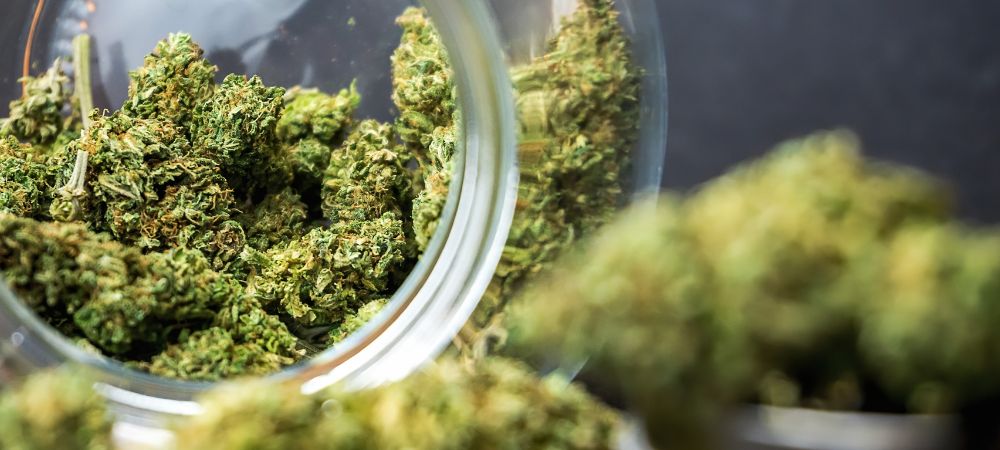
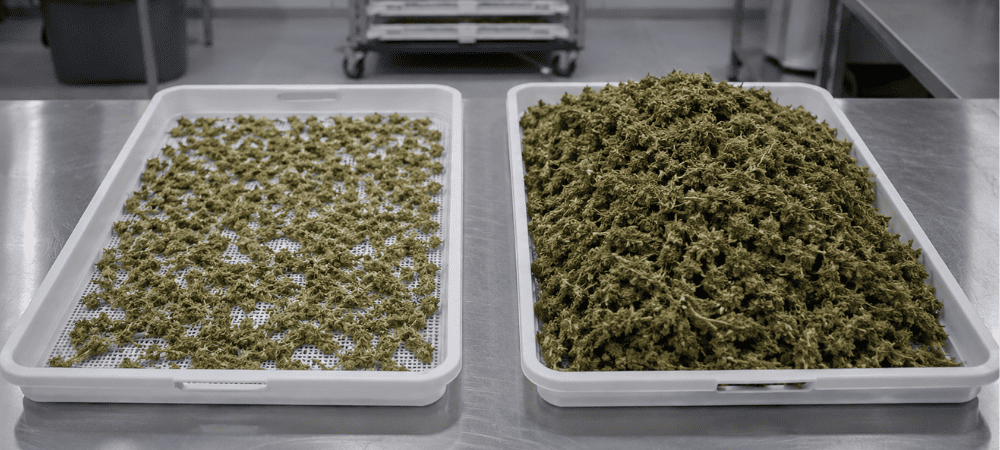
Marijuana refers to the parts of the cannabis plant that have been harvested and dried. Mainly, the unpurified dried flowers of the female cannabis plant are used. These flowers contain various compounds, including cannabinoids like THC (tetrahydrocannabinol) and CBD (cannabidiol), which are responsible for its psychoactive and therapeutic effects.
In other words, marijuana consists of the dried flowers of the female plant, especially those parts containing trichomes where cannabinoids are found.
How is hashish made?
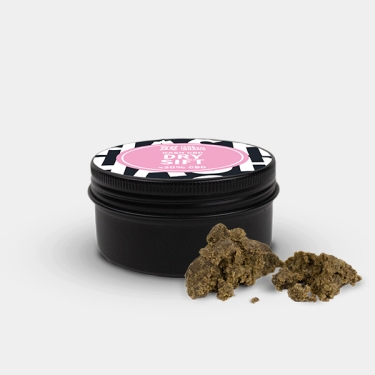
Hashish, on the other hand, is a concentrated product obtained by collecting and compressing the resin from the female cannabis plant. This product is characterized by its high concentration of cannabinoids, particularly THC, although CBD hash also exists, generally imparting it with greater potency compared to traditional marijuana. Hashish can come in various forms, ranging from a paste to a compacted solid, varying in texture and purity.
Since it is obtained from the trichomes of the same plant, it can have a consistency ranging from powdery to gummy or solid.

Main differences between marijuana and hashish
In comparing marijuana and hashish, it is crucial to consider the differences between marijuana and hashish regarding their origin, appearance, and level of active principles, elements that define their use and effects.
Origin and extraction
Weed comes directly from the unpurified dried flowers of the cannabis plant, usually of the female variety. The extraction process is quite simple, based on drying and curing.
On the other hand, hashish results from the extraction and compression of the resin secreted by the same plant, a process involving more elaborate techniques to separate the resin from the plant parts.
Appearance and form
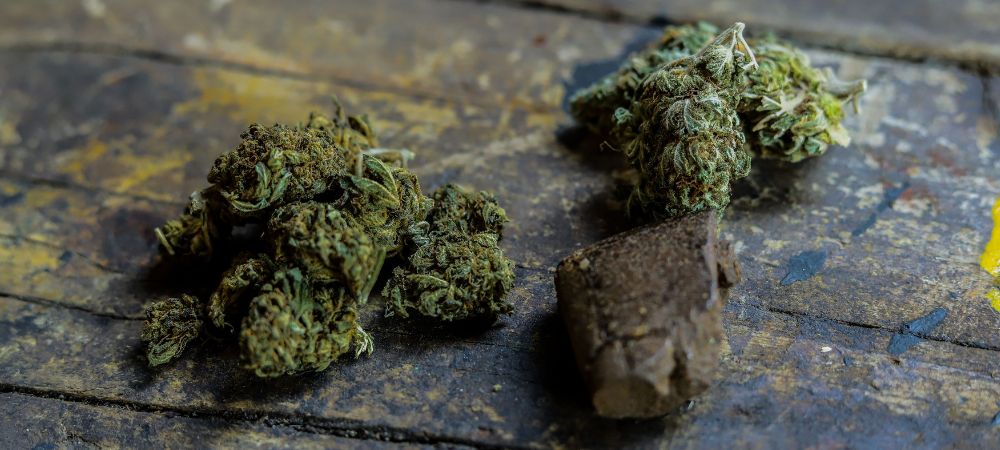
Marijuana appears as fragments of dry flower with green tones and sometimes yellowish or brownish hues. Hashish, on the other hand, is commonly presented in the form of a paste or compact blocks, with colors ranging from light brown, dark brown, to black, often with a smoother or stickier texture when heated.
THC concentration
One of the most significant differences is the THC concentration. Hashish has a higher THC concentration compared to marijuana, meaning its effects can be more potent with smaller amounts. However, the exact THC content can vary considerably from one sample to another, depending on factors such as the plant strain and extraction method used.
Common uses
Cannabis is commonly used in its dry and natural form for recreational and medicinal purposes. Its flowers, when smoked or ingested, can alleviate pain and anxiety, besides being used for treatments of chronic illnesses and disorders like epilepsy.
On the other hand, hashish tends to be more potent. It is also used for intensified psychoactive effects. In addition to these uses, hashish and marijuana are parts of various cultures and religious practices.
Legal status
The legal status of marijuana and hashish is complex. It varies greatly depending on the country and can even change between different jurisdictions within the same country. In any case, both marijuana and hashish, being two compounds containing THC, are prohibited, except in the case of marijuana or CBD hashish with high cannabidiol content, in which case they must comply with the regulations concerning the same.
Effects
Hashish, due to its high THC or CBD concentration, can have more intense effects than marijuana. Thus, the effects of hash are similar to those of marijuana but more potent. On the other hand, marijuana contains less THC, resulting in milder psychoactive effects. Thus, THC levels in marijuana typically reach a maximum of between 25 and 30%, whereas in hashish, they can range from 60 to 90%.
Key differences between marijuana and hash:
In summary, the main differences between both compounds can be found in this table:
| Characteristic | Marijuana | Hash |
| Origin | Dry parts of the cannabis plant | Resin of the cannabis plant |
| Consumption method | Smoked, cooked in foods, infused | Smoked, vaporized, ingested in foods |
| Appearance | Dry flowers | Sticky paste |
| THC Concentration | Lower levels (25-30%) | Higher levels (60-90%) |
| Aroma | Floral | Earthy |
| Potency | Less potent than hashish | More potent than marijuana |
Understanding the differences between marijuana and hashish can help in choosing the one that best suits individual needs to achieve desired results.
Products in this article



 Add as preferred source in Google