Personalized Attention +44 151 947 0713
 SHIPPING TO ALL

 9/10 Rating
 SALE TO MINORS PROHIBITED
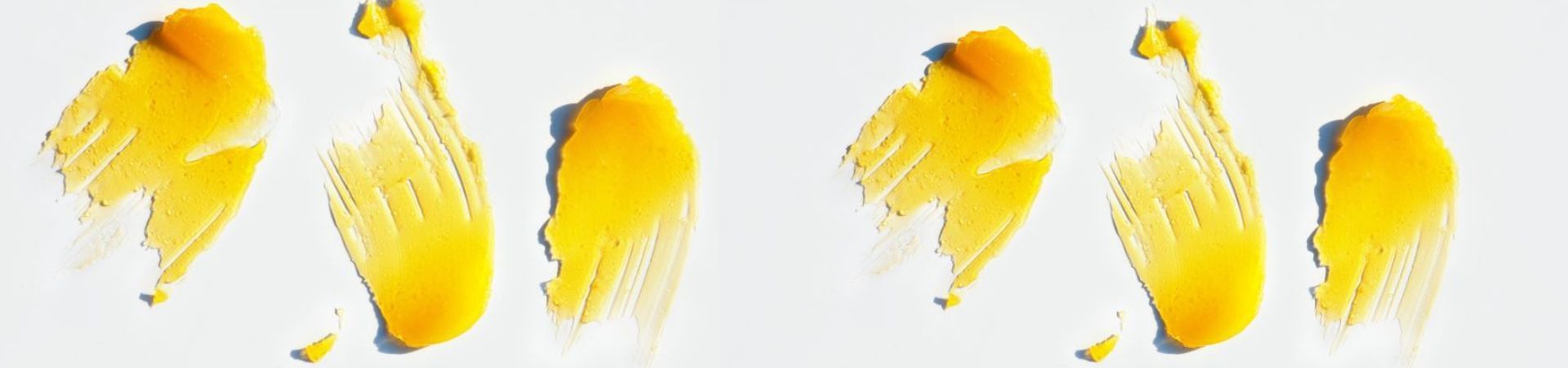
Differences and similarities between BHO, DHO, and PHO
The rise of cannabis concentrates has led to the innovation and development of different extraction methods that offer a variety of products for consumers. Among these methods, BHO (Butane Hash Oil), DHO (Dimethyl Ether Hash Oil) and PHO (Propane Hash Oil) are some of the most popular techniques. Each of these methods uses a different solvent to extract the desired compounds from the cannabis plant, and these differences in extraction result in different characteristics in the final product. We tell you all about it here.
Definition of cannabis concentrates
Cannabis concentrates are products derived from the cannabis plant that have been processed to obtain a high concentration of cannabinoids such as THC and CBD, as well as terpenes.These can vary in texture, purity and in the extraction method used.Among them are:
BHO
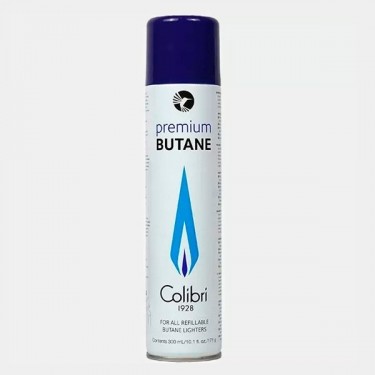
BHO or Butane Hash Oil extractions are a type of cannabis concentrate obtained by a process that uses butane as a solvent to extract the desired compounds from the plant. This method produces a thick oil that can vary in consistency from a sticky paste to a solid wax, commonly known as wax.

DHO
DHO, often referred to as Dime Hydrate Oil, uses sulfur dioxide in the extraction process. Similar to BHO in terms of the end products it can produce, it retains more terpenes, achieving a more intense aroma and flavor.
PHO

PHO or Propane Hash Oil uses propane as a solvent in the extraction process. This method can generate concentrates with a more buttery consistency and is known to retain both cannabinoids and terpenes well, offering an outstanding aromatic experience.
Key differences between BHO, DHO and PHO
Exploring the world of cannabis concentrates, one comes across terms such as BHO, DHO and PHO.
These names refer to the different methods and solvents used in the extraction of cannabinoids and terpenes from the plant.The main differences are in:
Extraction process and solvent
One of the main differences is in the type of solvent used for it:
- BHO (Butane Hash Oil): uses butane as a solvent in a process that can be open or closed loop. Closed extraction is recognized for its safety and efficiency and requires specialized equipment and careful purging of the solvent to ensure that the product is safe for consumption.
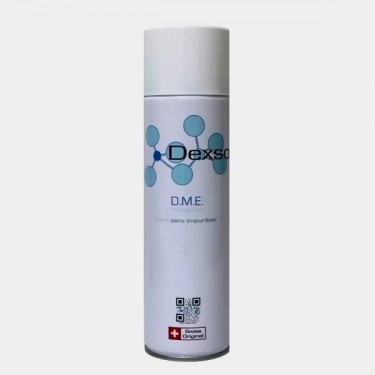
- DHO (Dimethyl Ether Hash Oil): uses dimethyl ether as a solvent and is similar to BHO in technique, but with a different solvent that can extract more components such as waxes or lipids.
- PHO (Propane Hash Oil): similar in method to BHO, but with propane, which allows working at lower temperatures and obtaining a more buttery consistency known as ‘budder’.
Consistency and texture
- BHO: the consistency and textures of BHO can vary from solid (shatter) to waxy (wax) to buttery (budder).
- DHO: often results in a more oily texture due to the variety of compounds extracted.
- PHO: tends to produce a buttery consistency due to the low extraction temperatures, which makes it easier to obtain budder.

Potency and purity
- BHO: has high levels of THC, although purity depends on the purification process. BHO is known for its strength and purity, extracting cannabinoids and terpenes.
- DHO: can extract more unwanted substances, requiring additional cleaning processes to ensure purity.
- PHO: produces extracts with high potency and purity, as propane evaporates completely, leaving minimal impurities.
Differences and similarities between BHO, DHO and PHO
| Comparison between BHO, DHO and PHO | |||
|---|---|---|---|
| Characteristic | BHO (Butane Hash Oil) | DHO (Dimethyl Ether Hash Oil) | PHO (Propane Hash Oil) |
| Extraction Method | Uses butane as a solvent to extract cannabinoids and terpenes from the cannabis plant. | Uses dimethyl ether as a solvent in the process of extracting active compounds from cannabis. | Uses propane as a solvent to extract desired components from the cannabis plant. |
| Safety | Can be dangerous if not handled properly due to the flammability of butane. | Considered safer than BHO in terms of flammability and handling, but still requires caution. | Considered safer than BHO and DHO in terms of flammability and handling, but also requires caution. |
| Purity | Can produce high-purity extracts if done correctly. | Can produce high-quality and high-purity extracts if done properly. | Can produce extracts of quality and purity similar to those obtained with BHO and DHO. |
| Taste and Aroma | Butane can leave residues that affect the taste and aroma of the final product if not properly purified. | Dimethyl ether can influence the taste and aroma of the extract, though it is considered less intrusive than butane. | Propane can slightly affect the taste and aroma of the extract, but is considered less intrusive than butane and dimethyl ether. |
| Popularity | Widely used in the cannabis industry for concentrate extraction. | Less common than BHO, but used by some concentrate producers. | Less common than BHO and DHO, but used by certain concentrate producers. |
Safety Considerations
- When it comes to cannabinoid extraction, safety is a crucial aspect. BHO, PHO and DHO are solvent-based extraction methods with their own risks.
- They all use a highly flammable solvent, which requires proper ventilation: necessary to avoid gas build-up.
- Risk of explosion: if butane vapors accumulate and come into contact with an ignition source.
- Use the correct protective equipment, such as gloves and safety goggles, preventing burns and eye damage.
- Control the extraction process.
- Perform extractions in spaces suitable for handling these gases.
All these BHO, PHO and DHO processes should follow strict safety protocols and preferably be carried out by experienced professionals.



 Add as preferred source in Google