 Personalized Attention +44 151 947 0713
 SHIPPING TO ALL


 9/10 Rating
 SALE TO MINORS PROHIBITED


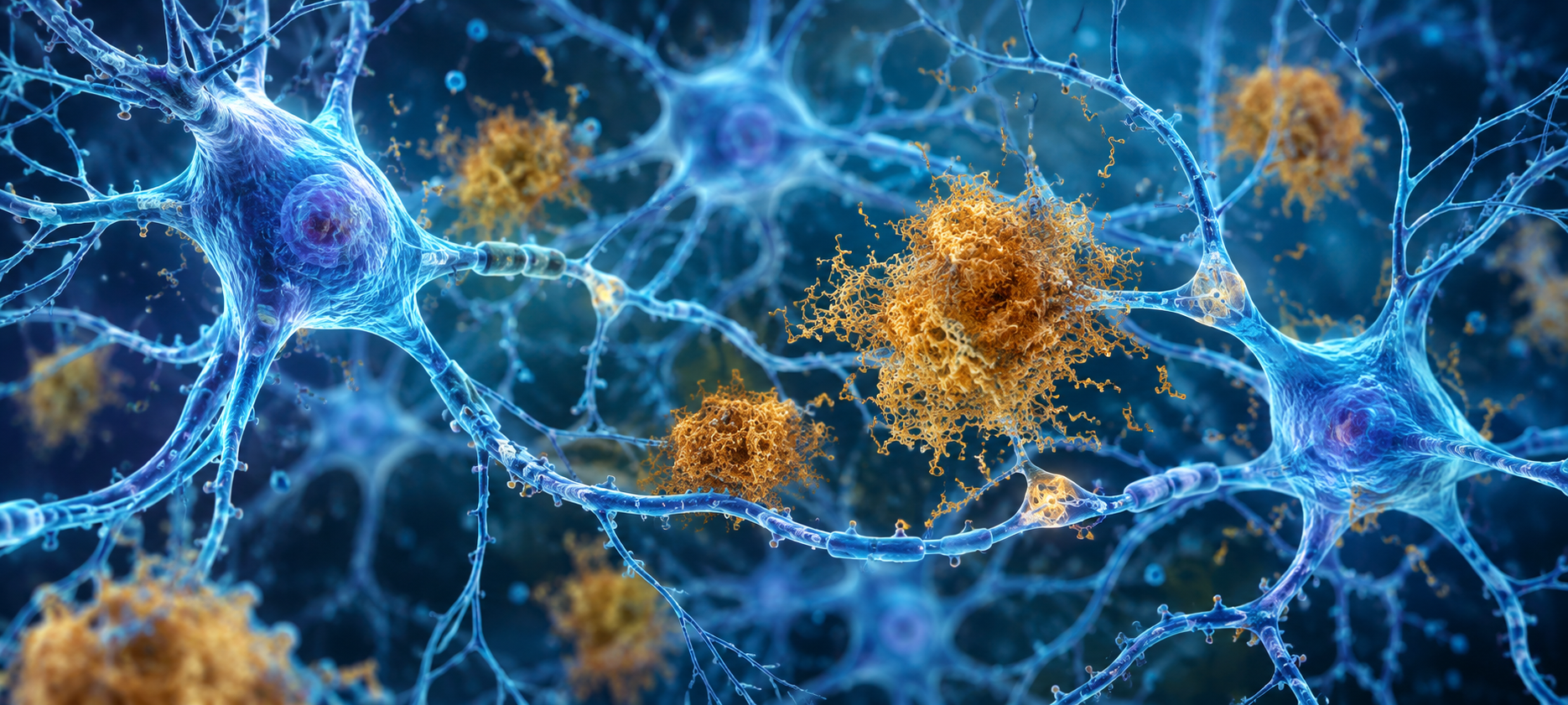
Contrary to one of the most common beliefs, cannabis does not literally “burn” neurons. However, it cannot be claimed that consuming it protects them in a general sense either. What some research shows is that certain cannabinoids could exert neuroprotective effects under specific experimental conditions.
What is the relationship between cannabis and neurons?
There are several studies in which the effect of cannabinoids on the neurons of mice genetically modified to reproduce some characteristics of Alzheimer’s has been analyzed. This neurodegenerative disease is related, among other processes, to the accumulation of beta-amyloid protein in the form of plaques and to alterations in the tau protein. These changes can progressively damage neurons and affect memory and other cognitive abilities.

The studies were not only conducted on genetically modified mice, but also on animal models in which beta-amyloid protein was administered to stimulate the appearance of similar alterations. In some experiments, CBD and THC showed potential effects on inflammation and neuronal damage.
It was observed that in the former, CBD was the key, while in the latter, THC could be a good solution for controlling the disease.
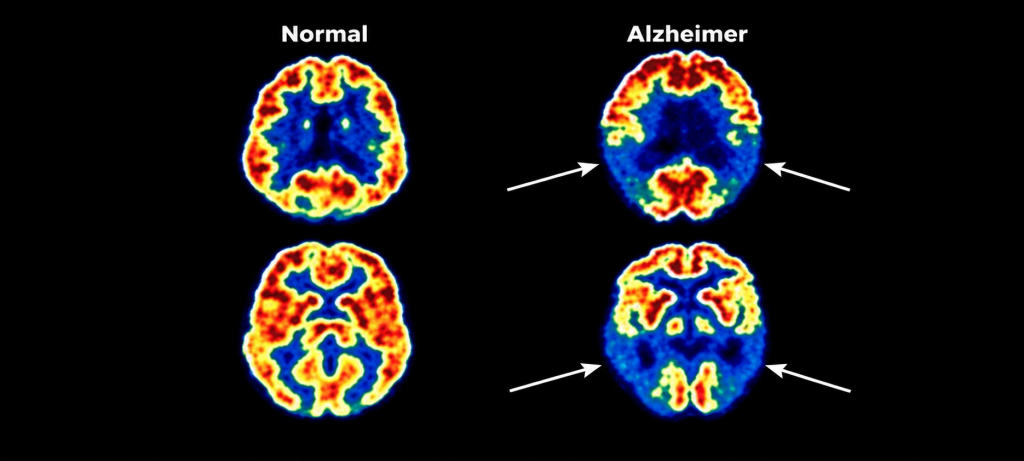
Studied effects of CBD and THC
As we know, CBD is a cannabinoid that does not produce the intoxicating effects characteristic of THC. In addition, some of its properties are being investigated, including its potential anti-inflammatory and antioxidant action, which could be of interest in certain neurological disorders.
THC, for its part, has shown in laboratory studies the ability to inhibit acetylcholinesterase or AChE, an enzyme that breaks down acetylcholine, a neurotransmitter related to memory and learning. Its potential influence on the formation of beta-amyloid plaques has also been studied. However, these preclinical results do not allow it to be considered an effective medication against Alzheimer’s.
It seems a paradox that a plant that affects short-term memory could be the solution for degenerative disorders that target memory and neurons.
Several investigations, some conducted in Spain, have observed potential cognitive improvements and a reduction in inflammation in mice treated with certain cannabinoids.
In L’Hospitalet de Llobregat (Spain), it was possible to slow down the progression of Alzheimer’s in mice and achieve cognitive improvement thanks to drugs made from cannabinoids.
Even so, it is important to clarify that acetylcholine is not responsible for the formation of the plaques that damage neurons. AChE is responsible for breaking down this neurotransmitter, and its inhibition is one of the strategies used to treat some symptoms of Alzheimer’s, but it does not stop the disease itself.

GB 10% CBD Oil

GB 20% CBD Oil

GB 5% CBD Oil
Studies on cannabinoids, Alzheimer’s, and neurogenesis
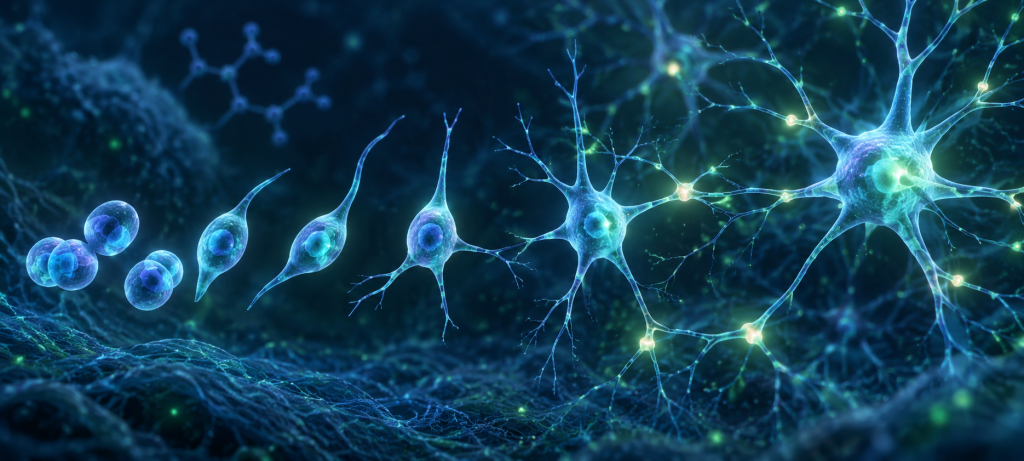
In addition, some preclinical studies have observed that CBD could stimulate neurogenesis, that is, the formation of new neurons, in certain areas of the brain of adult animals. This process has sparked interest because alterations in neurogenesis could be related to various neurological diseases.
In 2004, research was published that linked cannabinoids to this process. However, it has not yet been proven that CBD produces the same effect in humans or that it can prevent Alzheimer’s.
The results obtained so far are interesting for research, but they have been achieved mainly in cells or animal models. Before considering a compound as a treatment, it is necessary to verify its safety, dosage, and efficacy through controlled clinical trials with people.

Research on the endocannabinoid system and neurodegenerative diseases continues to advance. Some preclinical results suggest that certain cannabinoids could act on processes related to inflammation, oxidative stress, or neuronal damage.
However, it cannot currently be stated that cannabis, THC, or CBD prevent, slow down, or cure Alzheimer’s. Both THC and CBD can cause side effects and interact with other medications, so they should not be used as a treatment without medical supervision.
Higher-quality clinical studies are still needed to determine if any of these compounds can become a safe and effective treatment for Alzheimer’s or other neurodegenerative diseases.





 Add as preferred source in Google


