Personalized Attention +44 151 947 0713
 SHIPPING TO ALL

 9/10 Rating
 SALE TO MINORS PROHIBITED

Cali Weed is synonymous with potency, premium genetics, and global prestige. Originating on the West Coast of the U.S., it has become a must-know reference for cannabis growers and connoisseurs. This article explores its historical evolution, unique traits, the top Cali strains of 2025, and everything you need to know to grow them successfully.
History and evolution of Cali Weed
California has played a pivotal role in normalizing cannabis both in the U.S. and internationally. In the first half of the 20th century, cannabis cultivation and consumption were heavily criminalized. But by the 1960s, a major cultural shift emerged. The hippie movement, psychedelic counterculture, and organic farming communities in Northern California created the perfect environment for experimenting with cannabis seeds, organic cultivation techniques, and genetic breeding practices that led to today’s Cali Weed.
In 1996, this long journey led to the approval of Proposition 215, also known as the Compassionate Use Act, making California the first U.S. state to legalize medical cannabis. Later in 2016, Proposition 64 (Adult Use of Marijuana Act) expanded the legal framework to include recreational use, setting up a licensing system for growers, dispensaries, and cannabis product manufacturers. Thanks to this regulated environment, a multibillion-dollar industry emerged that not only serves local users but also exports seeds and sets global quality standards.
This legalization process also encouraged the rise of Californian seed banks, the professionalization of cannabis breeders, and increased investment in cannabinoid and terpene research. As a result, California evolved from a counterculture icon into a global innovation hub for cannabis trends and science.

Unique characteristics of Cali Weed
Californian genetics are known for their exceptional combination of potency, rich terpene profiles, and high stability. These strains have been refined over decades to maximize yield, flavor, and effect, becoming global benchmarks. Intensive breeding and genetic research in specialized seed banks have led to plants with traits few other lineages can match.
Cannabinoid profile and effects
One of the defining traits of Cali Weed is its high cannabinoid concentration, influencing both its psychoactive strength and medical potential.
- THC (Tetrahydrocannabinol): Typically ranges between 20% and 30%, with some strains exceeding that under optimal conditions. THC delivers the euphoric, sensory-enhancing, and deeply relaxing effects that Cali strains are famous for.
- CBD (Cannabidiol): Usually found in low concentrations, under 1%, except in medical strains. CBD helps moderate THC’s intensity, promoting calmness and mild anxiolytic effects.
- CBG (Cannabigerol): Present in moderate amounts in some strains, CBG is gaining attention for its neuroprotective and anti-inflammatory potential.
Together, these cannabinoids create experiences that combine mental stimulation, deep relaxation, and physical well-being. However, for less experienced users, the effects may be overwhelming.
Aromas and flavors
Cali genetics stand out for their unique organoleptic profile, delivering aromas and flavors highly prized by both recreational consumers and expert growers.
The flavor profiles of Californian strains often feature bold and complex combinations like sweet and creamy notes (vanilla, pastry), fruity hints (citrus, berries), or earthy tones (pine, spices). This richness is driven by high concentrations of terpenes such as limonene, myrcene, and caryophyllene, which not only define taste and smell but also subtly shape the overall effect.
Distinctive colors
Another unmistakable feature of these plants is their coloration. Many Cali Weed strains develop purple, blue, or reddish hues in their buds and leaves. This pigmentation is caused by anthocyanins, which become prominent when nighttime temperatures drop in the flowering stage. Purple strains are not only visually stunning but often come with sweet aromas and relaxing effects.
Plant structure and growth vigor
Californian cannabis plants show vigorous growth and a structure optimized for high yields:
- They can reach impressive heights outdoors (up to 2 meters in some feminized strains).
- Feature strong branches and short internodes, ideal for supporting heavy, resinous buds.
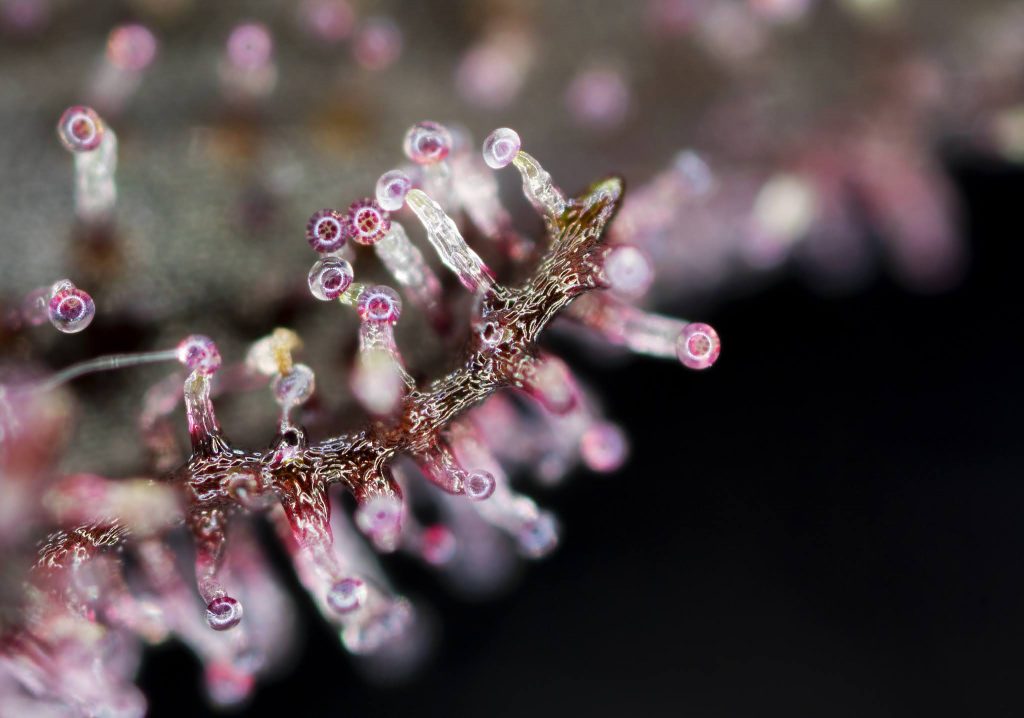
- Exhibit high trichome density, increasing resin production and boosting bud appeal.
- Offer good resistance to pests and mold, especially in warm, dry climates—though some strains may need humidity control indoors.
Thanks to these qualities, experienced growers can achieve high-yield harvests with outstanding flavor and potency.
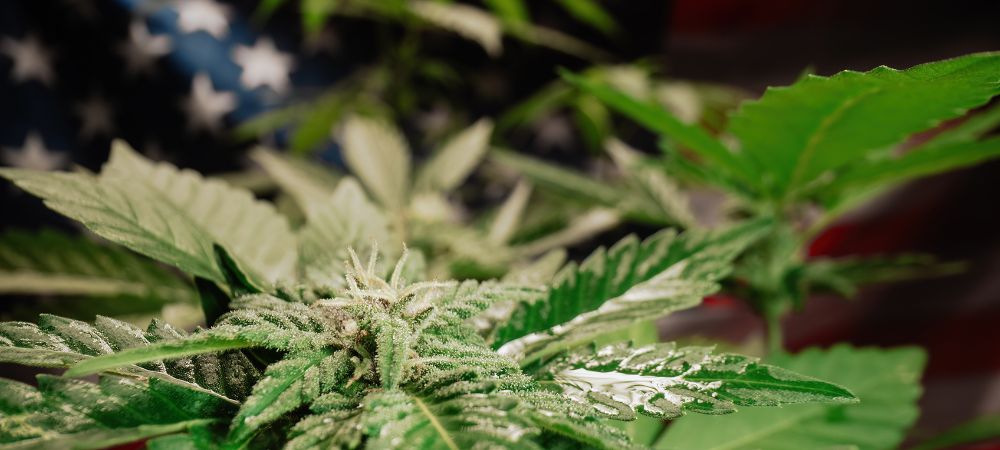
Pros and cons of Cali Weed
Cali Weed stands out for its quality and global reputation—but there are a few considerations to keep in mind. Here’s a summary of the strengths and limitations of Cali cannabis strains:
| Aspect | Advantages | Disadvantages |
|---|---|---|
| Potency | Very high THC and intense terpenes. | May be too strong for novice users. |
| Stability | Homogeneous and productive genetics. | Some require advanced experience. |
| Seed Variety | Wide range of feminized and autoflowering options. | Higher price compared to European genetics. |
| Resistance | Good tolerance to pests and mold. | More sensitive to cold or very humid climates. |
| Prestige | Excellent international reputation. | High demand raises costs and limits availability. |
The best Californian Seeds of 2025
GB The Green Brand offers a diverse catalog of prestigious Californian seeds, tailored to various experience levels and sensory preferences.
Gelato 33
Gelato 33 is a balanced hybrid with indica dominance. It stands out for its sweet, fruity terpene profile reminiscent of creamy desserts. With up to 25% THC, it delivers an intense euphoric high followed by deep relaxation. It’s easy to grow both indoors and outdoors, with a flowering period of 8 to 9 weeks.
Magnum Auto
Magnum Auto is an autoflowering variety known for its vigor and high yields. Its genetics allow abundant harvests in just 75 days from germination. It produces powerful effects—a mix of cerebral euphoria and physical relaxation. Ideal for growers seeking speed without sacrificing potency.
Tropicana Poison F1 Fast Version
This fast version of Tropicana Poison combines strength and intense aromas. Its terpene profile blends citrusy and fruity notes. With 24–25% THC, it provides stimulating and creative effects. Flowering finishes in just 6 weeks, making it perfect for short-summer climates.

Gelato 33
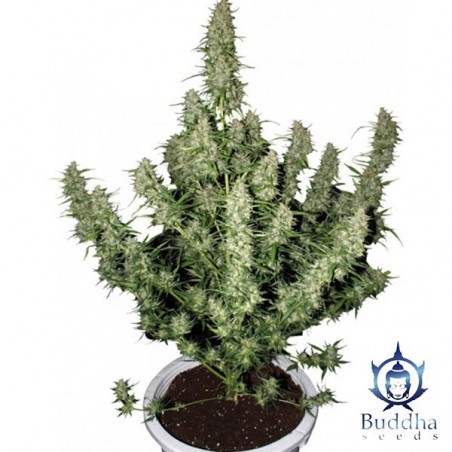
Magnum

Tropicanna Poison F1 Fast Version®
Dark Devil Auto
Dark Devil Auto stands out for its deep purple color and sweet, fruity aroma. It delivers quick harvests, ready in 8–9 weeks, with a balanced effect of euphoria and relaxation. Perfect for growers looking for eye-catching and powerful genetics.
Cream Caramel Auto
Cream Caramel Auto is highly regarded for its sweet flavor with earthy undertones and intense relaxation. Indica-dominant, it reaches 18–20% THC and grows in a compact structure. Its short cycle allows for multiple harvests per year.
Gorilla Cookies Auto
Gorilla Cookies Auto is a potent autoflowering hybrid with up to 27% THC. Its effect combines creative euphoria and long-lasting relaxation. Noted for its vigor and abundant production in just 10 weeks.
The cannabis market in California and worldwide
The Californian market is one of the largest in the world, with annual sales exceeding $5 billion. Legalization has boosted cannabis tourism, the rise of luxury dispensaries, and the development of specialized seed banks. In 2025, strains with exotic terpene profiles and record-breaking THC levels are expected to trend, alongside a surge in organic and sustainable products.
Californian genetics have crossed borders, reaching Europe and Latin America through seed banks, independent breeders, and online platforms. Countries like Spain have incorporated iconic strains into local catalogs, adapting cultivation techniques to diverse climates and encouraging the development of new hybrids.
Growing Californian Cannabis
Growing Californian genetics is a rewarding challenge for those seeking top-quality harvests. These strains perform best when grown under conditions similar to their origin: temperate climate, strong lighting, and careful management of nutrition and ventilation.
For indoor cultivation, a light cycle of 18 hours during veg and 12 during flowering is recommended, using full-spectrum LED lighting. Maintain temperatures between 22 and 26 °C and humidity levels between 40% and 60%. Proper ventilation is key to prevent mold and regulate the environment.
Outdoor cultivation works best in warm, sunny climates. Use nutrient-rich soil and keep the pH between 6 and 6.5. In humid areas, increase mold prevention with biological treatments. Prolonged sun exposure enhances resin production and aroma.
Common mistakes include overwatering, nutrient deficiencies, light stress, poor ventilation, and premature harvesting which lowers quality.
For a successful grow, it’s recommended to choose genetics suited to your local climate, use organic fertilizers, control humidity, perform selective pruning, adjust pH levels, and respect the maturation time of each strain.



 Add as preferred source in Google