Personalized Attention +44 151 947 0713
 SHIPPING TO ALL

 9/10 Rating
 SALE TO MINORS PROHIBITED
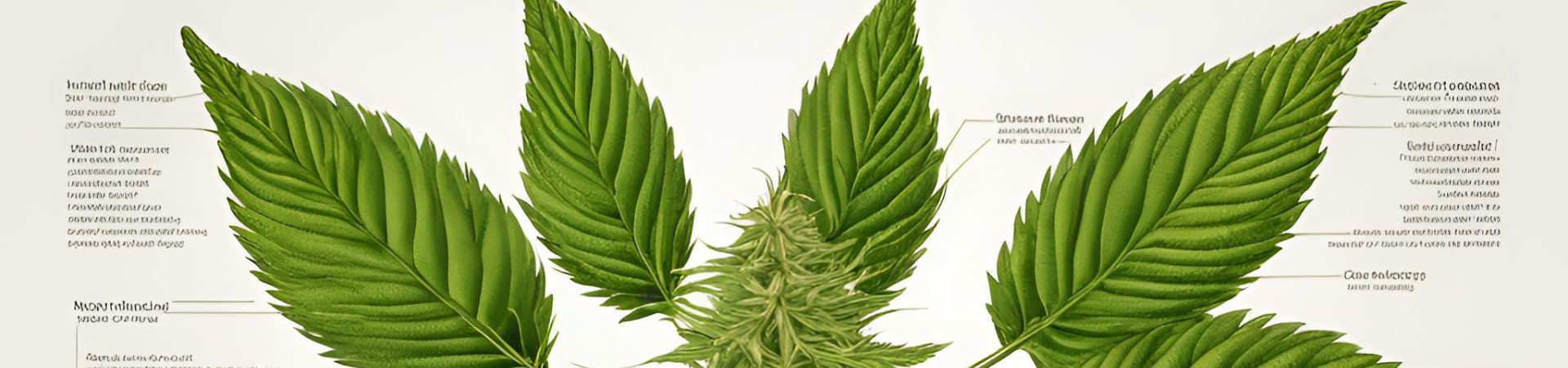
For cannabis growers, understanding the anatomy of a cannabis plant and how it functions is truly essential for optimizing yield and harvest quality. The cannabis plant has a complex structure that relies on every part for its development and cannabinoid production. In this comprehensive guide, we will break down all the parts of the cannabis plant, describing their specific functions and how they affect the cultivation process. Additionally, we will address the key differences between sativa and indica varieties, and how those differences impact plant physiology and cultivation.
Anatomy of a cannabis plant and its functions
Cells: The beginning of everything
To understand the anatomy of a cannabis plant and how it works, you must know that our plants are formed from cells, which in turn join together to create tissues. Cells reproduce and grow, thus allowing our plant to grow.
There are cells that reproduce faster and others that are slower; for example, stem cells reproduce slowly, while those that reproduce the fastest are found at the tips of the roots and the tips of the shoots.
Cells reproduce among themselves to form a tissue and then, by absorbing water particles, they swell and grow through expansion. Let’s say they grow like bread: first the dough is formed, and then it swells when we subject it to a certain process.
An adult marijuana plant (with a large number of cells reproducing) in full sun and in good health can grow 3 to 6 cm per day in height and branch length.
Root: The fundamental base of growth
The roots are the underground part of the plant that performs key functions for its health and development. They act as the transport system for water and essential nutrients from the growing medium to the rest of the plant.
Functions and characteristics of the roots
- Absorption of water and nutrients: Through the roots, the plant takes in water and nutrients from the soil or substrate. This is essential for healthy growth and the production of cannabinoid-rich buds.
- Root systems: The roots consist of a primary structure (taproot) and secondary roots, which allow the plant to cover a larger volume of soil and capture more nutrients.
- Beneficial microorganisms: The rhizosphere (the area around the roots) is full of bacteria and fungi that facilitate nutrient absorption and protect the plant from pathogens.
Tips for growers
- Use a well-aerated substrate with good drainage to avoid waterlogging that could damage the roots.
- Consider adding organic amendments to strengthen the soil’s microbial health and optimize root growth.
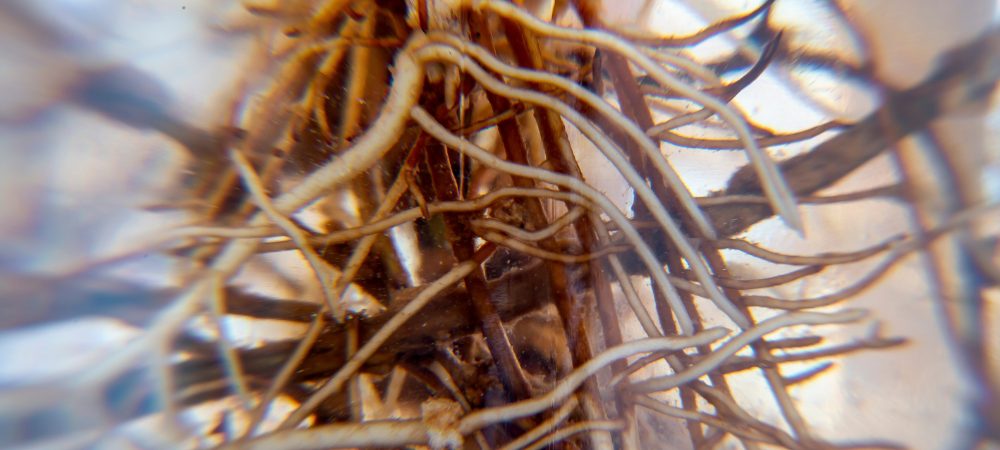
When photosynthesizing, our plant releases water vapor, which causes the roots to absorb water from the soil through pressure. When we water and add water to the soil, we unintentionally encourage another pressure, which is the pressure exerted by the water on the roots due to its weight, just like the pressure of the sea when you dive. Although the pressure it can exert may seem minimal, it is enough to make the water want to enter the plant.
This creates a balance of water that leaves and water that wants to enter, which will allow our plant to carry out its processes at an accelerated rate, forming cells where they need to be formed, directing them where they need to go, and performing the function they need to perform.
What happens if that balance is broken?
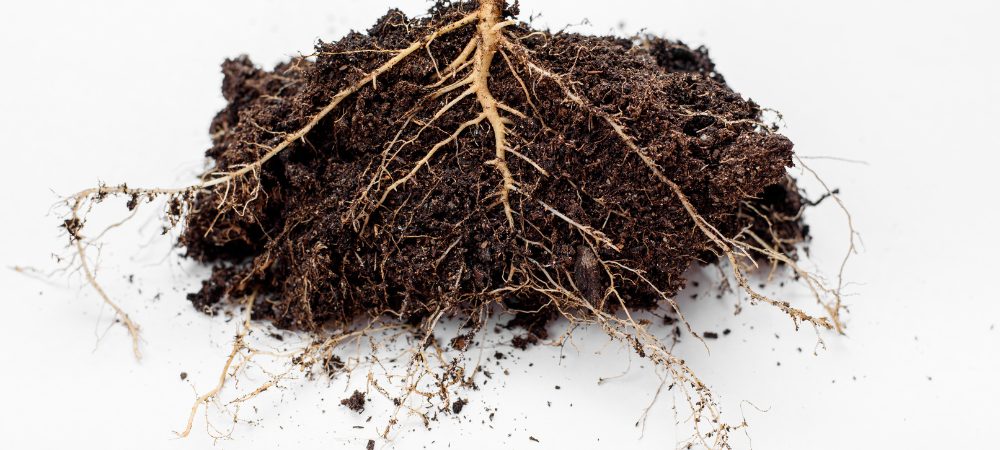
If the stomata close due to too much heat, for example, when the plants are too close to the light or if the ventilation is not sufficient, the water does not evaporate, yet it continues to enter the plant due to pressure. In these cases, excess water in the substrate is common when watering as usual while the plant is not absorbing water; this will greatly damage the roots, causing rot. Another effect caused will be that it will push water between the cells, and our plants will form very fragile, spindly, and weak flowers.
They must be white and hairy; those little hairs are the root hairs, which are responsible for absorbing water and which, if burned or rotted, will leave our plant defenseless against photosynthesis and lead to health problems.
Stem: The backbone of the plant
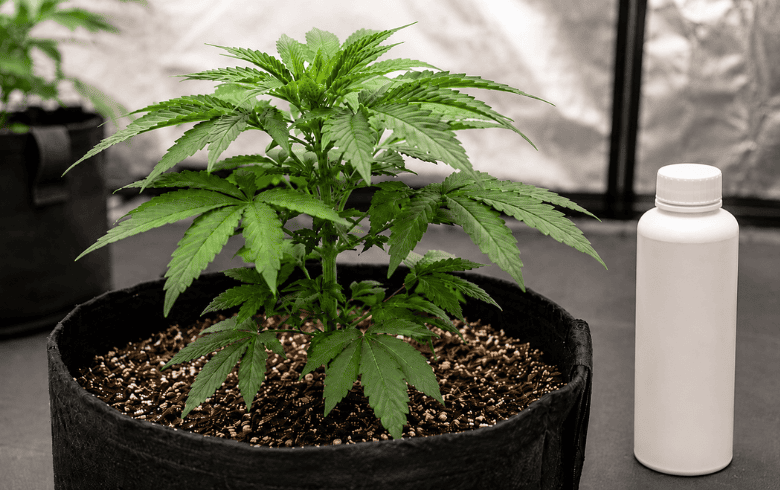
The stem is the main structure that supports all visible parts of the plant. Its strength is crucial for supporting the branches and buds during the flowering phase.
Functions of the stem
- Transport of water and nutrients: The stem is responsible for conducting water and nutrients from the roots to the leaves, flowers, and other structures of the plant.
- Physical support: The stem provides the necessary structure for the branches and flowers to remain upright. A strong stem is vital to prevent plants from falling over under the weight of the buds.
- Vertical growth: The stem allows the plant to grow upward, always seeking more sunlight for the photosynthesis process.
Tips for growers
- If your plant grows tall, use support techniques such as stakes or netting to prevent the stem from bending or breaking.
- During the vegetative phase, you can apply topping or LST to manage stem growth and create a more compact plant.
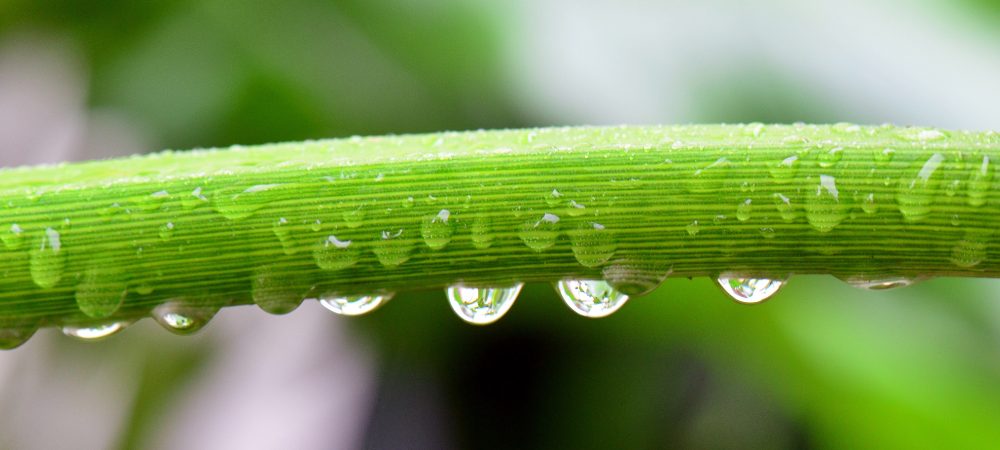
Leaves: The plant’s energy factory
The leaves are the main structure where photosynthesis occurs. This process converts sunlight into chemical energy, which is used by the entire plant for its growth.
Functions and characteristics of the leaves
- Photosynthesis: Through the leaves, the plant captures sunlight and produces sugars that feed the plant’s cells.
- Transpiration: The loss of water through the leaves helps maintain the plant’s water balance and promotes the absorption of nutrients from the roots.
- Health indicators: The leaves act as a thermometer for the plant’s health. Any change in color or shape can be an early sign of problems such as nutritional deficiencies or environmental stress.
Tips for growers
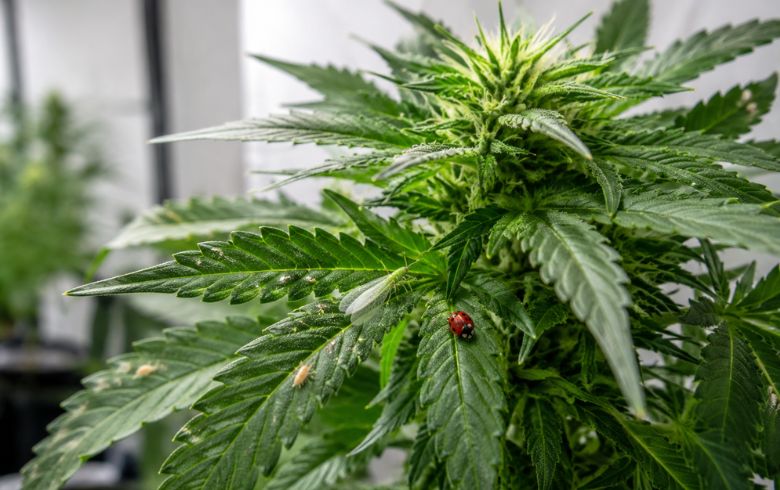
- Regularly inspect the leaves to detect possible nutritional deficiencies or pests.
- During the vegetative phase, ensure the plant receives enough light to maximize photosynthesis.
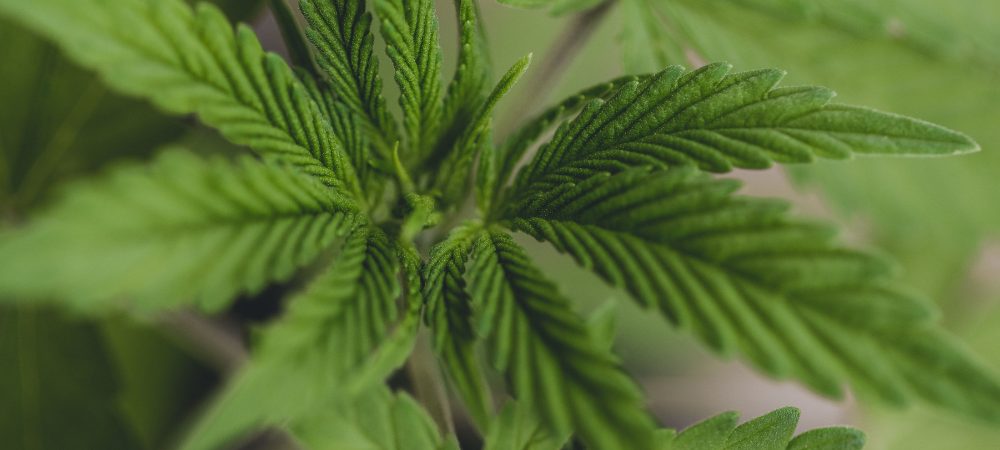
Flowers: The ultimate goal of cannabis cultivation
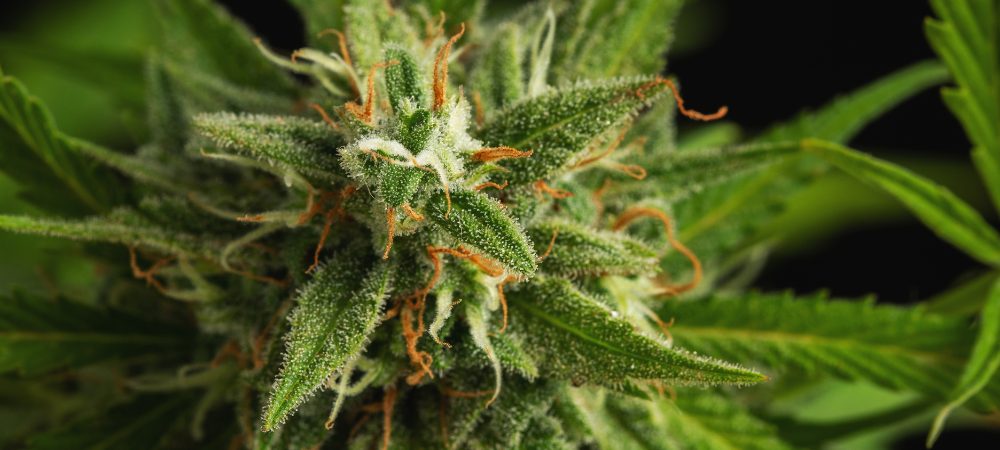
Cannabis flowers are the most coveted part, as they contain trichomes, which produce resin rich in cannabinoids and terpenes. These substances are responsible for the plant’s psychoactive and medicinal effects.
Functions and characteristics of the flowers
- Bud development: The flowers mature over time and develop into buds, which are the harvested part. These contain cannabinoids like THC and CBD, which have psychoactive and medicinal properties.
- Trichomes: Resin glands, called trichomes, are present on the flowers. They are responsible for producing the plant’s active compounds, which vary according to the crop and genetics.
- Pistils and stamens: Female flowers contain pistils (reproductive parts) that are covered in resin. Stamens are the male structures that produce pollen.
If you want to delve deeper into these reproductive differences, here you can see how to distinguish a male from a female marijuana plant and learn to identify pistils, male flowers, and early signs during pre-flowering.
Tips for growers
- Monitor the trichomes using a magnifying glass to determine the optimal time for harvest, based on the color and density of the resin.
- In the flowering phase, it is crucial to control humidity and temperature to avoid mold or bud rot.
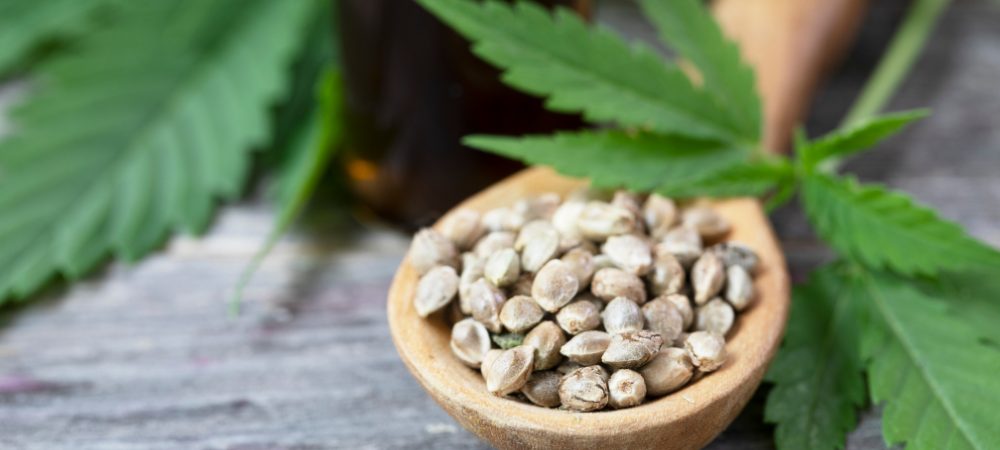
Seeds: The basis of the plant’s genetics
Cannabis seeds contain the genetic information that defines all the plant’s characteristics, such as cannabinoid production, size, and resistance.
Types of seeds
- Regular seeds: These seeds produce both male and female plants. They are preferred by growers who wish to cross different strains or produce seeds.
- Feminized seeds: These seeds guarantee a female plant, which eliminates the possibility of male plants growing, ideal for growers who want a seedless harvest.
- Autoflowering seeds: These plants flower automatically after a certain time, regardless of the light cycle, making them ideal for quick crops.
Tips for growers
- If you do not want your plants to be pollinated, be sure to use feminized seeds.
- Autoflowering seeds are perfect for faster and more discreet crops.
Differences between sativas and indicas: Impact on anatomy and cultivation
It is important to note that the cannabis variety (sativa, indica, or hybrid) has a significant impact on the plant’s anatomy, growth, and production. Although both share basic characteristics, their differences influence how they are grown and the final effects they produce.
Sativa varieties
- Characteristics: Sativas are usually taller and slender, with narrower leaves. They are known for their energizing and stimulating effects.
- Growth: Sativa plants tend to be taller and have a longer flowering cycle. They are ideal for warmer climates.
- Use: They are associated with more cerebral and stimulating psychoactive effects, suitable for people looking for creativity or relief for conditions such as depression or fatigue.
Indica varieties
- Characteristics: Indica plants are usually more compact and dense, with wider leaves. The effects are more relaxing and sedative.
- Growth: Indicas usually have a shorter flowering cycle, making them ideal for colder climates or growers looking for a quick harvest.
- Use: They are more suitable for the treatment of insomnia, anxiety, and pain due to their relaxing and calming effects.
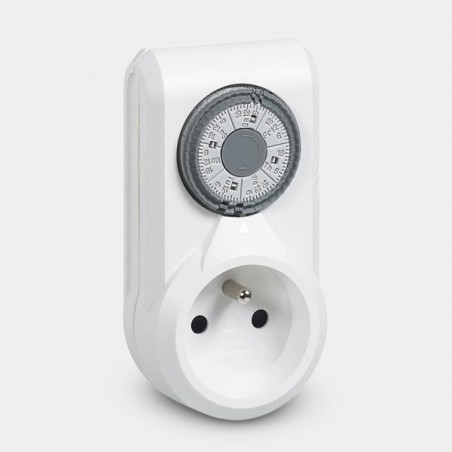
Legrand Analogue Timer

Professional Multi-Outlet GSE Timer

8 x 600w Timer
Tips for the grower
- If you are looking for fast-growing, shorter plants, opt for indicas or indica-dominant hybrids.
- Sativas may be a better option if you want tall plants that grow in warmer climates.
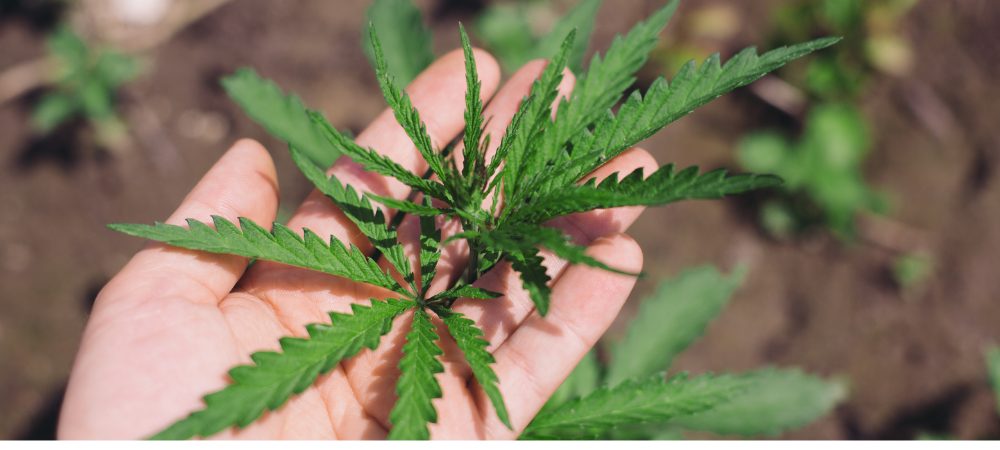
Knowing the anatomy of a cannabis plant and how it works is essential for growing efficiently and effectively. From the roots to the flowers, each structure plays a key role in the plant’s development and in the production of the active compounds that growers seek. By mastering this anatomy, you will be able to make informed decisions that optimize both the quality and quantity of your harvest.



 Add as preferred source in Google