Personalized Attention +44 151 947 0713
 SHIPPING TO ALL

 9/10 Rating
 SALE TO MINORS PROHIBITED

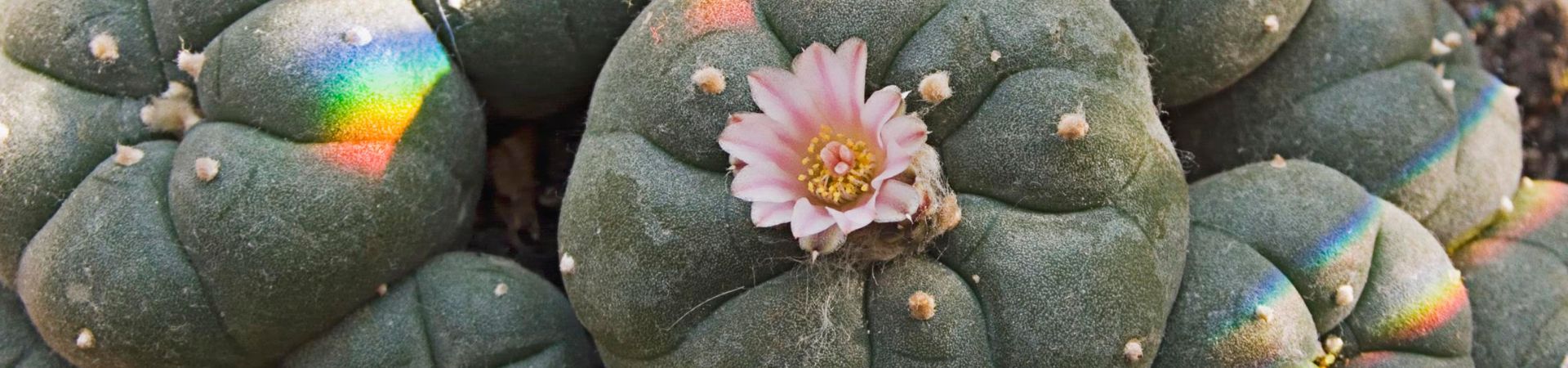
The peyote, scientifically classified as Lophophora williamsii, is a round, spineless cactus known for its hallucinogenic effects. Native to Mexico and the United States, it has been and continues to be used in traditional religious rituals. Its psychoactive effect is due to mescaline, a psychotropic molecule similar to LSD and psilocybin, which is found in magic mushrooms. This article details more about the history of peyote, its cultural and religious uses, and its various modes of consumption.
What is Peyote?
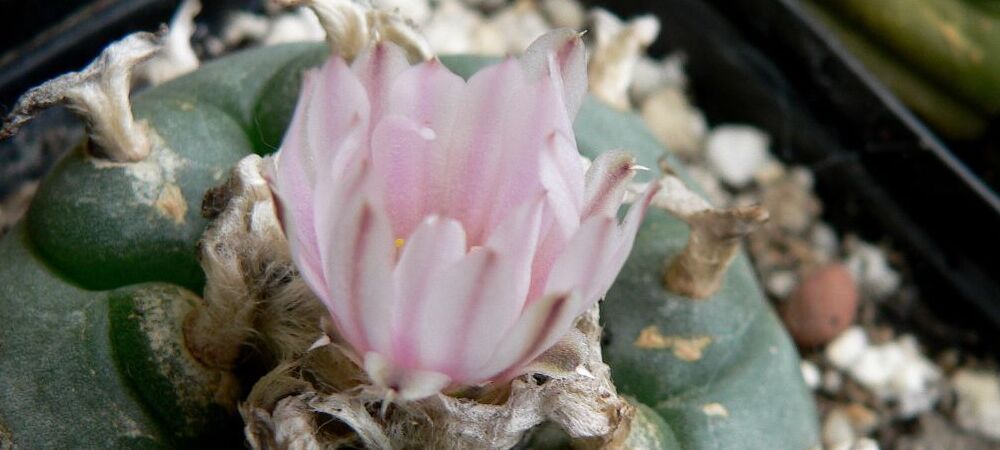
Peyote, also known as peyotl, is a cactus found near the Rio Grande, between the United States and Mexico. It is generally round like a pumpkin and produces small, pretty flowers in shades of pink, more or less dark, and contains between 3 and 6% mescaline, its psychoactive substance. Peyote cacti grow in groups and are unfortunately endangered.
Uses and modes of consumption
The term peyote comes from Nahuatl. The cactus is also called kamaba by the Tepehuanes, huatari by the Coras, and hikuri by the Huicholes. In fact, it has been used in nearly 30 regions of Mexico and North America (Comanches, Navajos, Apaches, etc.), and is claimed by some religious groups. It has been found in rock art and is considered to have been known and used for thousands of years. Besides, its consumption is illegal in many countries such as Spain or France.
Characteristics and how to use
Peyote can be consumed in different ways:
- Dried and eaten
- Infused and drunk
- Powdered and smoked
It has a very bitter taste that alone can cause vomiting. It has been used for a long time to heal wounds due to its many therapeutic virtues, and it was consumed in wartime contexts to give strength to troops before going into battle.
Despite causing vomiting, peyote was considered a purifier. Moreover, during religious rituals, it was eaten in small doses or infused: the religious use of peyote is called peyotism. Shamans used it to create a connection with the gods or the dead.
The history of Peyote and the Native American Church
The Native American Church uses peyote for religious and spiritual purposes, so the cactus is authorized in this context in many states in the United States. Further, it is a mix of Christianity and Native American religions (this religion comes from ancient Native American beliefs impacted by Christianity imposed during colonialism), and the Church has about 250,000 members.
Religious use of Peyote
Peyote is consumed, as we have seen, eaten directly or infused, and each member benefits from it. The ceremonies take place in tipis, and it is not about overdosing or exaggerating the intake of peyote; it simply serves to get closer to the divine. In fact, there are traditional songs about the cactus sung during the rites. Two particularly well-known ceremonies of the Native American Church are Cross Fire and Half Moon.
Claims and struggle for peyote legalization
One of the emblematic figures in the defense of peyote use in the Native American Church is the Comanche chief (an indigenous people of the central plains of the United States), Quanah Parker. At that time, peyote had been outlawed in the United States to control the wave of psychedelics. However, peyote defenders in the context of the Native American Church had strong arguments: they primarily claimed freedom of worship.
In fact, this sparked a great debate at the time, between allowing a community to use a product considered illegal or banning it for everyone. James Mooney, an ethnographer of the time who studied the Ghost Dance, defended peyotist Native American rites explaining that this was part of their culture and they knew perfectly well how to use the cactus.
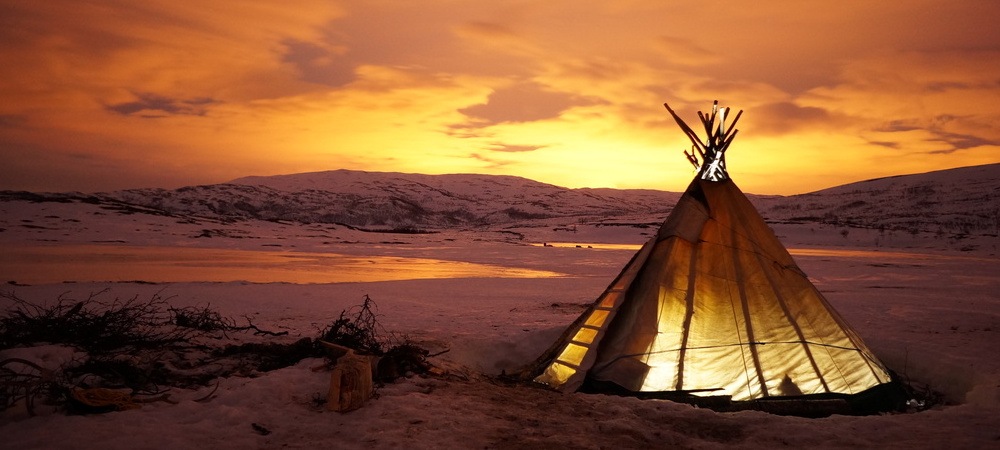
Furthermore, the issue of colonialism was also raised; banning the use of peyote was equivalent to denying a culture that existed long before the arrival of settlers in America. This is complemented by other arguments, such as the fact that peyote prevents alcoholism, and that each society has its vices: some drink whiskey and others consume peyote.
Peyote legalization
Peyote is finally prohibited for consumption in the United States but authorized only within the framework of the sacraments of the Native American Church. As an anecdote, Texas only allows peyote use to people who can prove they have at least one-quarter Native American blood. Additionally, if you were wondering if peyote is legal in Mexico, one of its countries of origin, it is not.
As you can understand through this journey through the history of peyote, its use is ancestral, as is the case with many other plants with psychoactive effects. The cactus is considered a remedy for healing, a boost before combat, or a divine substance, and some communities claim its use for purely cultural purposes. Finally, it has become completely illegal in many countries.