 Personalized Attention +44 151 947 0713
 SHIPPING TO ALL


 9/10 Rating
 SALE TO MINORS PROHIBITED

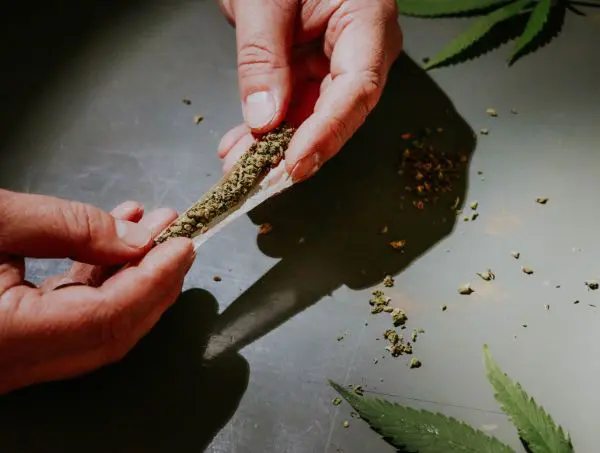
Is addiction to cannabis possible? This is the most repeated question in the eternal debate about cannabis consumption and its possible consequences. For decades, the addictive nature of cannabis has been used as an argument for its prohibition. Although cannabis is not a harmless substance, it is important to know how it works in your body to understand its effects.
Cannabis is the most abused illegal substance in the world. Moreover, in the last few years, the idea of cannabis as a natural and non-harmful product is becoming more and more accepted by the population. That’s why we’re going to go deeper into the addiction to cannabis and its uses.
Differences between tolerance, dependence and addiction
These three terms used interchangeably for a long time, but they are different concepts about how a compound can affect the body.
- Tolerance: refers to the ability to feel a major or lesser effect when using a drug. If it increases, you will have a harder time feeling the same effects as when you started, which is why the doses increase over time.
- Dependency: it is related to the famous abstinence syndrome, that is, when you stop taking it, there are physical and mental reactions that appear such as:
– Anxiety
– Sleep disorders
– Loss of appetite
– Irritability
- Addiction: this is a chronic brain disease based on a compulsive use of a substance even if the consequences are negative to the point of risking the person’s health. The variety of skill patterns is high:
– Use more than expected
– Feeling of frustration, not being able to stop using.
– It becomes an obsession, occupying a very large part of the consumer.
– Affects social life by limiting professional, social or recreational activity.
– Loss of control not being able to stop using.
– Denial of excessive use or adoption of a defensive attitude.

Cannabis and Dopamine
In order to understand how this happens, it is important to know how THC activates the brain’s reward system. This is because when THC reaches the body, it activates cannabinoid receptors, present in different areas of the brain, affecting the nerve cells that activate the endocannabinoid system. This is the reason why thinking, concentration, movement, coordination or perception are affected.
Once the neurons synthesize the substance, they release dopamine that reaches the nucleus accumbens or pleasure center. When this is stimulated often and excessively, the brain reacts by reducing the number of receptors to avoid it. This is how tolerance is created.
Similarly, another consequence is the loss of interest in activities such as sports, sex, eating, etc., because the pleasure produced is less. According to the research, this behavior leads to abuse and therefore addiction; nevertheless the addictive potential of cannabis is below.
Tolerance and dependence of cannabis
Generally, if one consumes daily, one ends up increasing the substances in order to feel the same effect. Over time, it is possible to generate a dependency. Data show that between 5 and 10% of cannabis users meet these criteria.
In some situations, if the duration is too long, there is a risk of suffering the withdrawal syndrome when stopping. So, to feel good, you have to increase the dose.
Most of the people who can become hooked to cannabis started using it at an early age, especially during their adolescence.

Cannabis addiction
It can happen that it is abused. Although it has an addictive potential, it is not very powerful compared to other commonly used substances such as alcohol or nicotine. Even so, it is possible to develop what is called a cannabis use disorder.
Statistics show that cannabis causes less dependence, as it occurs in only 10% of situations. This figure rises to 16.5% for those who started using it in their teens. In the case of alcohol, the rate of dependence is 15%, followed by cocaine at 17%, heroin at 23% and nicotine at up to 32%.
Similarly, admissions for drug treatment show the same. 35.2% for alcohol, 28.9% for cocaine and 18.4% for cannabis. It is also considered that addiction can be caused by a number of factors, such as:
- Genetic predisposition.
- Social, cultural, economic and political context.
- Personal factors such as stress, traumas or familiar environments.
- Frequent use.
- Lifestyle.
Marijuana doesn’t produce the same dependence as other drugs, although excessive and long use can cause negative consequences. Actually, you can find various therapies and drug treatment centers. The first step to take is to admit the problem and to look for possible solutions and ask for help if needed.



 Add as preferred source in Google


