

 Personalized Attention +44 151 947 0713
 SHIPPING TO ALL

 9/10 Rating
 SALE TO MINORS PROHIBITED
 Iniciar sesión
 0
0


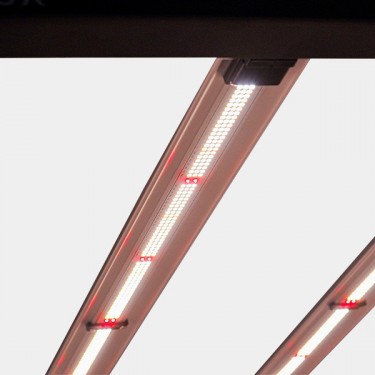



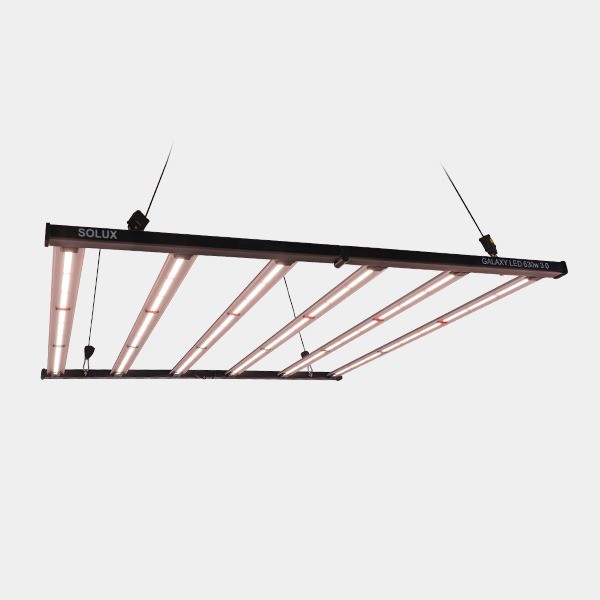
The Galaxy 1800E 630W LED Solux is perfect for indoor cannabis growing both vertically and horizontally. It has a PPFD (Photosynthetic Photon Flux Density) that many LED lighting systems are capable of producing, and it can be adjusted depending on the stage that your plants are in.
Subscribe and we'll let you know when we have stock.
 94
loyalty points.
Your cart will total 94
loyalty points
that can be converted into a voucher of
18.80€
94
loyalty points.
Your cart will total 94
loyalty points
that can be converted into a voucher of
18.80€

Description
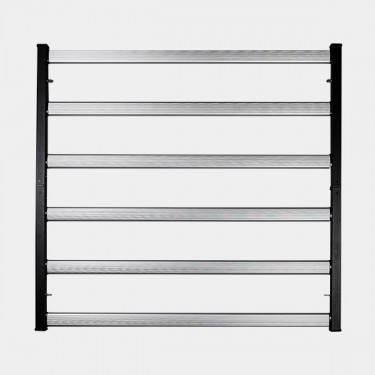
The Galaxy Solux LED system is made out of 6 105w LED bars, all of which are in parallel. This allows for the same PPFD for all of your plants and not just centered in the middle, which is hard to achieve using a normal lighting system. This particular system has Samsung (LM561 H) LED lights, guaranteeing high quality and lifespan, producing a complete spectrum that allows you to use this LED lighting kit during both the growth and bloom periods. Also check out the LED Kappa Panel By Solux.
This device is super easy to use, all you have to do is unfold it and connect your ballast to your Galaxy 1800E LED light. The driver can be attached to the same mounting as the LED system, although we recommend placing it on surface designed for it, which keeps weight off your LED system and makes it much easier to move around when necessary. Plus, you can also control it via the Solux Master Controller.
This innovative LED system is available in two models; the first is the Galaxy 900E 340w Solux LED which is perfect for indoor grows up to 1m2, plus it's a dimmable system so you can make the most out of your plants and electricity during each phase. the second model is a high quality Samsung LED that has a full spectrum and 750 μmol/s PPFD, which means your plants will be able to absorb high quality light.
When growing using a LED system, we highly recommend making the most out of its dimmer, adjusting it according to the stage and size of your plants. If you’ve just germinated, we highly recommend using just 40% of its total strength, reducing the amount of PPFD so that you don’t saturate your plants; as they grow, you’ll need to increase the percentage in order to keep up with their needs.
Let’s have a look at the percentages and when they should be used:
You might also like


19/01/2021
Hello, I want to buy the 340W one for one square metre, compared to the 600W HPS I imagine there's a difference in power consumption, but production-wise what are we talking about, does it yield more or less than HPS?
Translated from Spanish
Hola muy buenas quiero comprar el de 340w para un metro cuadrado a diferencia del sodio 600w en consumo imagino q hay diferencia pero a la hora de producción de cuanto estamos hablando produce más o menos q el sodio?
02/09/2020
yes that's it guys thanks a lot!! does anyone use it just to know at what distance and power you set it
Translated from Spanish
si es eso chcicos muchas gracias ¡¡ alguien lo usa por saber que distancia lo ponen y potencia
30/08/2020
Dani, Ext means external, from that option you can adjust the light with Solux Master Controller for instance.
Translated from Spanish
Dani, Ext significa exterior, desde esa opción puedes manipular la luz por ejemplo con Master Controller de Solux.
23/07/2020
Danny the ext position is probably to manage the light fixture from a digital controller, that's why it turns off on you...
Translated from Spanish
Danny la posicion ext seguramente sea para gestionat la luminatia desde un controlador digital por eso se te apaga...
09/07/2020
hi at 100% it's all the way up and once I switch it to ext it turns off.... is your info correct or is my friend's Samsung faulty?? thanks
Translated from Spanish
buenas en 100% esta ha tope y una vez que lo paso a ext se apaga.... vuestra información es correcta o el Samsung de mi amigo esta mal ?? gracias
02/07/2020
hello when I set it to ext it turns off.... so I don't get that for the last days of flowering thanksss
Translated from Spanish
buenas cuando lo pongo en ext se apaga.... así que no comprendo lo para los últimos días de floracion graciass