Personalized Attention +44 151 947 0713
 SHIPPING TO ALL

 9/10 Rating
 SALE TO MINORS PROHIBITED

Flood irrigation is a widely used irrigation technique in agriculture and cannabis cultivation. This strategy basically involves “flooding” the cultivation area with water so that the plant roots can absorb it. In simple terms, it’s like creating a temporary small lake around your plants. To learn more about this type of irrigation, here is everything you need to know.
How is flood irrigation done?
Flood irrigation in cannabis cultivation, especially indoors, is an effective technique that ensures the uniform distribution of nutrients and water to the plants. This methodology is often implemented in hydroponic growing systems. The process involves periodically flooding the root zone of the plants with a nutrient solution, ensuring that all roots have equal access to water and essential nutrients. The trays or growing tables on which the plants are placed are designed to allow this solution to flood the root space and then drain completely, preventing saturation and the risk of root diseases such as rot, as in the case of the Gro-Tank 1×1 M (NFT) Nutriculture.
This type of irrigation promotes vigorous and healthy growth of cannabis plants, optimizing the use of water and nutrients while minimizing labor and maintenance. It is a method that has gained popularity due to its efficiency and ease of implementation. Growers have found that flood irrigation can significantly improve the yields of their cannabis crops.
In all of this, balance must be considered, a key factor in flood irrigation. Plants need water to grow, but too much water can be as harmful as too little. Constant excess water can lead to root rot and stagnant growth. Therefore, finding that delicate balance between sufficient watering and avoiding waterlogging is essential to gain the maximum benefits from flood irrigation.

How to apply it in cannabis crops?
To successfully apply flood irrigation in cannabis crops, follow these steps:
- Prepare the containers: Use trays or plates under the pots with holes at the bottom and sides.
- Fill with water: Fill the tray with water until it reaches the lower holes of the pots.
- Wait: Allow the plants to absorb water through the soil for a few hours.
- Remove excess: Once the plants have absorbed enough water, drain any excess from the tray.
- Remember that flood irrigation is an effective technique but also requires constant care and monitoring to avoid excess water, which can be harmful to the plant roots.


Advantages of flood irrigation
Flood irrigation is not only an ancient and proven technique, but it also offers multiple advantages that optimize the health and growth of plants. Some of these advantages include:
Reduction of salt accumulation
When flood irrigation is applied, the water moves through the substrate, carrying away accumulated salts. This prevents excessive salinity in the medium, which can be harmful to plants by causing toxicity and nutrient lockout.
Improved nutrient absorption
Uniform distribution of water around the roots is crucial. With flood irrigation, every part of the root system has equal access to water and, therefore, to the nutrients dissolved in it. This ensures that plants receive complete and balanced nutrition.
Stimulation of root growth
Roots tend to grow towards the water source. Thus, flood irrigation stimulates downward root development, resulting in a stronger and deeper root system. Well-established roots are synonymous with healthier and more resilient plants.
Prevention of waterlogging and root rot
Contrary to what might be thought, controlled flood irrigation helps prevent excess moisture in the root zone. By periodically flooding, followed by proper drainage, prolonged saturation is avoided, which leads to waterlogging and diseases such as root rot.

Improvement of yield
By stimulating strong and deep root growth, flood irrigation can improve crop yield, as it facilitates efficient water absorption. It also prevents soil saturation at the top, thus preventing common problems such as root rot.
Disadvantages of flood irrigation
Flood irrigation in cannabis cultivation, although effective in some contexts, presents several drawbacks that can affect plant health and cultivation efficiency:
- Constant humidity conditions can favor the appearance of fungi and root diseases.
- It tends to use more water compared to drip irrigation systems. This not only increases water consumption but can also be less sustainable, especially in areas with limited water resources.
- Controlling nutrient concentration and distribution in a flood system can be complicated. Thus, there is a risk of plants absorbing nutrients unevenly, which can lead to nutrient deficiencies or toxicities.
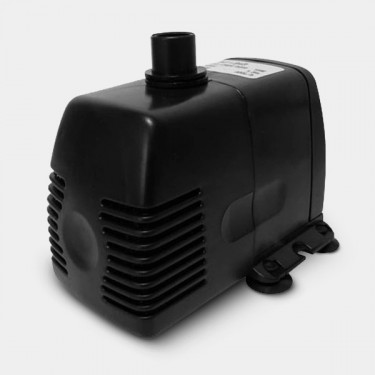
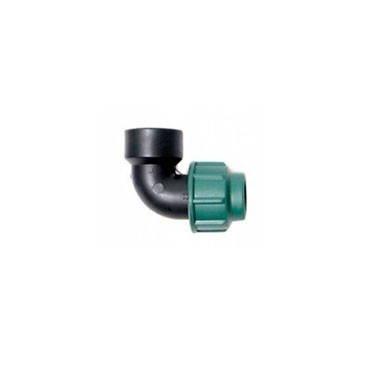
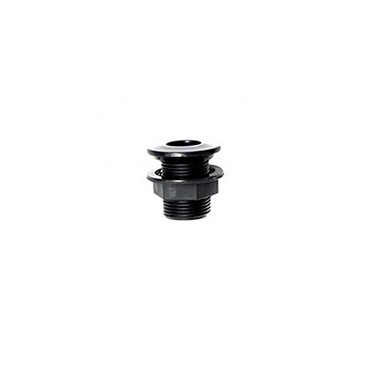
- Establishing an effective flood irrigation system requires a significant initial investment in infrastructure, such as certain irrigation accessories and materials, including pumping systems, channels, and proper drainage systems. This can be a barrier, especially for small-scale growers.
- Irrigation water can alter the pH and salinity of the growing medium, which affects the availability of nutrients to plants. It is necessary to regularly monitor and adjust these parameters to maintain an optimal growing environment.
- Inefficiency in small spaces: Indoors, where space is often limited, flood irrigation may not be the most efficient option in terms of space. Systems suchas drip irrigation may be more suitable for maximizing the use of vertical and horizontal space.
Given the importance of maintaining optimal conditions for cannabis cultivation, many growers opt for more controllable and precise irrigation systems to improve plant health and resource use efficiency.





 Add as preferred source in Google