Personalized Attention +44 151 947 0713
 SHIPPING TO ALL

 9/10 Rating
 SALE TO MINORS PROHIBITED


The abuse of chemical products to increase crops over the last few years has seriously damaged nature; saturating it with toxic substances that have affected the ground and the quality of the products grown directly in it. Now that a more ecological mentality is taking over, Super Soil is here to try to revert the reality of health decadence in the agricultural sector.
Consequences of growing crops using chemical products
Up until a few years ago, very few people were aware of the future repercussions chemical products would have on agriculture. In those days, Super Soil techniques were inconceivable in a sector that was only interested in increasing crops’ productivity.
The immediate consequences of such crops were less nutritious supplies, full of toxic or unhealthy substances. In the long run, soil becomes less fertile due to the microbial trophic chain breakage; as organic matter rich in carbon diminishes. Bacteria, fungi and insects help plants feed in a natural way; in order for them to obtain all their necessary sources to form beneficial nutrients for humans.

Super Soil is one of the best alternatives to slow down the increase of crops grown with chemical fertilizers. It is also useful to enrich plants’ life cycle in an organic and beneficial way for the ground. Nowadays, this technique has become very popular within cannabis grows.
What is Super Soil?
Anyone in contact with the cannabis industry has probably heard about Super Soil, as its use is on the rise. However, it is not uncommon for people not to know exactly what this method is all about because they haven’t come around to informing themselves about this revolutionary growing system.
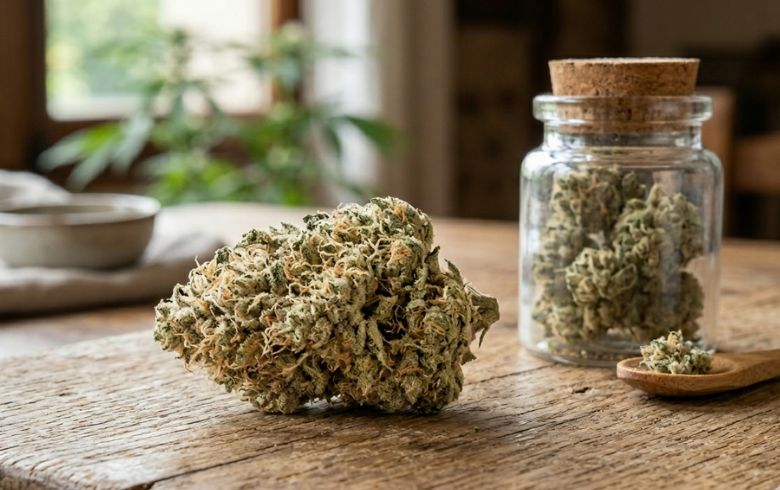
Super Soil is the perfect method to grow cannabis organically. It enhances its natural properties while keeping toxic substances and pesticides away from the flowers in particular, and from the environment in general.
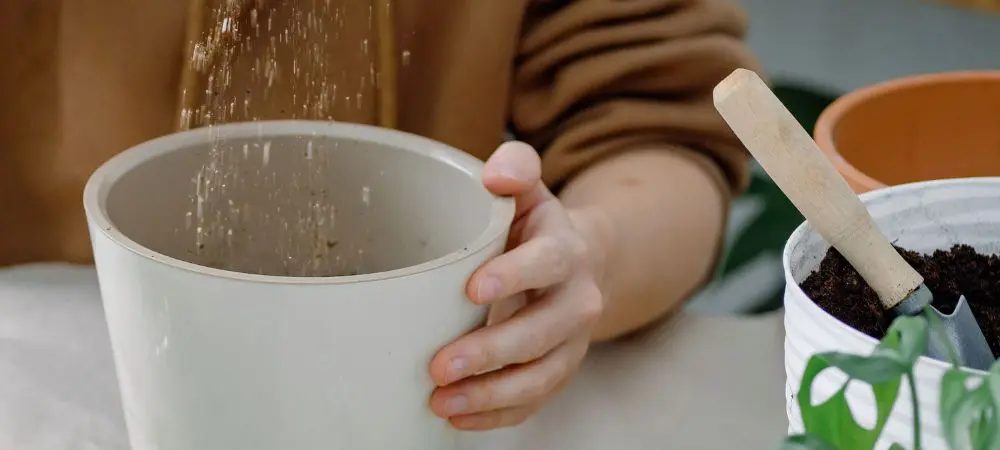
Super Soil consists of predicting the nutritional needs of the plant during its entire cultivation cycle and then creating a substrate mixture that includes all those nutrients in the proportion that the grower reckons the plant will demand.
In order to carry out this technique, the grower needs to know the amount of macro and micro nutrients the plant needs at each cultivation phase; therefore, some experience in the cannabis field is a must. Otherwise, the grower should seek advice from a knowledgeable person or source.
Super Soil according to the type of crop
Before deciding to use this technique, it’s important to take into account the type of plants grown and the cultivation surroundings. For example, the Super Soil mixture won’t be the same for an outdoor crop that starts at the end of February than for an indoor grow with an automatic strain that finishes its full cycle in only 8 weeks.
Lengthy crops will require slow releasing fertilizers, such as Scarab Boom or bat guano. Fast grows, on the other hand, will do better with rapidly assimilated fertilizers to make sure they don’t stay in the cultivation medium for too long, like for example worm hummus or Humic Boom, by Boom Nutrients.
Making Super Soil is not limited to adding the mixture to the cultivation area; it also needs to rest for 20-60 days (depending on the characteristics of the grow) to ensure micro-organic life turns the Super Soil mixture into a rich environment capable of providing cannabis seeds with all the necessary nutrients.
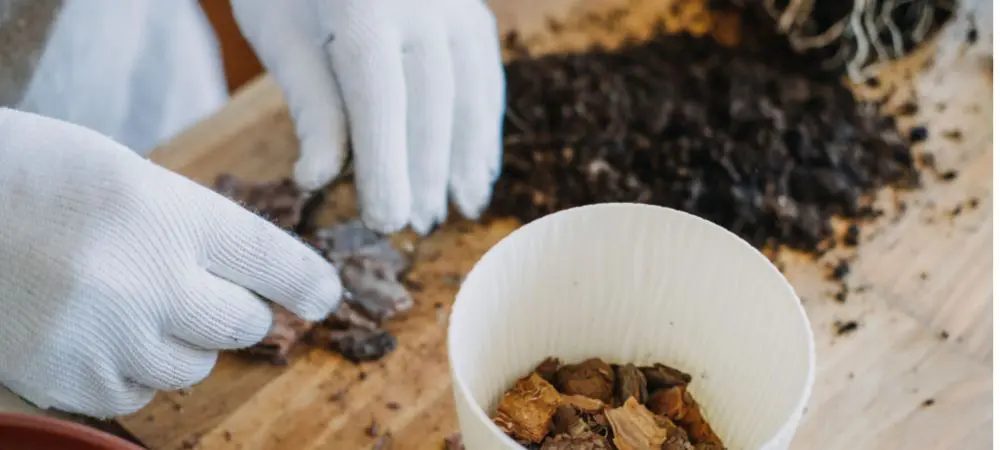
Using a Super Soil mixture doesn’t mean forgetting about plants’ nutritional needs.You still need to keep an eye to ensure the right amount of micro-life for plants to grow healthy. If nutritional deficiencies are still present, they are easy to fix by modifying the first Super Soil structure in order to meet the demands of the plant.
When growing in pots, you need to be very careful with the proportions. It’s quite easy to fall into over-fertilization by forcing the roots to absorb all the nutrients added to the substrate.
On the contrary, cannabis plants grown straight into the ground aren’t limited by space and specific nutrients. They are free to absorb nutrients according to their needs.
Advantages and disadvantages of using Super Soil
Advantages
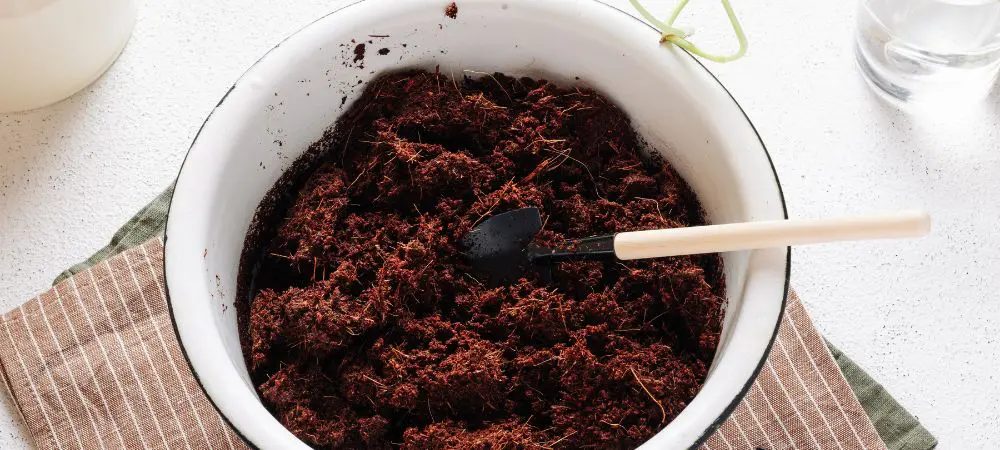
One of the advantages of growing using the Super Soil technique is that, although preparing the substrate takes a little longer and more effort, once ready, you won’t have to worry about your plants’ nutrition during their cultivation process. Although you still need to keep an eye, as there is still a risk of deficiencies and over fertilization.
This method uses only organic ingredients, therefore, the mixture is full of macro and micro nutrients. This will provide the plant with nicer and smoother flavors and aromas, which doesn’t happen with chemical products.
Super Soil is fully organic and suitable for indoor and outdoor grows. It also protects plants against external pathogens due to the onset of multiple beneficial fungi, insects and bacteria.
Because there are no chemical products involved, the roots won’t need flushing. Growers can totally forget about this tedious task.
Disadvantages
Super Soil’s greatest disadvantage is that it is not suitable for all sorts of crops. Applying it to big surfaces would require an enormous amount of substrate and preparing the mixture would take too long.
This method requires good planning. You need to prepare the mixture between one and two months before starting to grow. Which means you can’t just decide to use this system a few days before planting the seeds. You also need to know the exact amount of Super Soil that needs preparation and to buy all the necessary products before starting.
Lastly, you need to let the plants develop and choose the nutrients they prefer; instead of just providing them with what the grower wants in order to force them to grow strong and potent. The final results will most likely be very tasty and of great quality; although the growth cycle will be slower and the yield will be less impressive.

Boom Nutrients Light Mix

Boom Nutrients All Mix

All Mix GB Nutrients
However, as you acquire experience and refine the Super Soil technique, you’ll be able to obtain amazing results. More growers are now choosing to grow their crops using this technique, which is environmentally and crop friendly.