Personalized Attention +44 151 947 0713
 SHIPPING TO ALL

 9/10 Rating
 SALE TO MINORS PROHIBITED


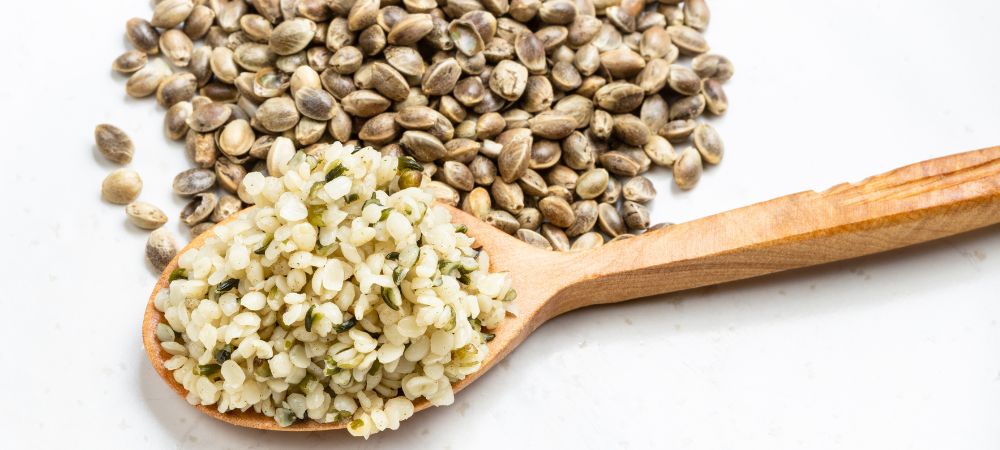
Hemp seeds are a nutritious food derived from cannabis plants, which in recent years have gained significant attention due to the discoveries about the plant’s beneficial properties. These seeds, also known as hemp hearts, have been used as food for centuries, making their consumption widespread and well accepted. With the recent cannabis boom, their use has become increasingly popular.
Origin of hemp seeds
Hemp is the result of a careful domestication process of cannabis plants native to Central and South Asia, where growers selected specific varieties for fiber, food, and ceremonial purposes.
This process allowed for a clear distinction between non-psychoactive hemp and marijuana cultivated for psychoactive purposes, maximizing hemp’s applications across various industries.
Difference between hemp and marijuana
Although hemp and marijuana come from the same plant species, there are significant differences between them. The main distinction lies in their chemical composition and morphology.
Hemp is primarily cultivated for its fibers and seeds, reaching considerable heights with minimal THC content. Marijuana, on the other hand, is grown for its THC-rich flowers, CBD Online, and other cannabinoids in controlled environments with smaller plants. To better understand these differences, the following table summarizes the key characteristics:
| Characteristic | Hemp | Marijuana |
| THC Content | Low THC content (less than 0.2%) | High THC content (usually over 0.2%) |
| Primary Use | Mainly used for industrial purposes such as textiles, food, and construction | Used for recreational or medicinal purposes |
| Plant Appearance | Tall and slender plant with long stems and few branches | Shorter and bushier plant with more branching |
| Cultivation | Grown for fibers, seeds, and CBD-rich oils | Grown for THC-rich buds |
| Legality | Legal in many countries due to low THC content | Subject to legal restrictions in various regions due to high THC content |
| Effects on the Body | Does not produce significant psychoactive effects | Can produce psychoactive effects due to high THC levels |
Properties and benefits of hemp seeds
The health benefits of consuming hemp seeds are numerous due to their wide range of nutritional properties. Hemp seeds are considered a superfood for the following reasons:
- Contains essential oils in an optimal ratio, which improves digestion and promotes efficient nutrient absorption, boosting overall energy levels.
- Rich in high-quality proteins: essential for tissue repair and growth, making them a vital source of energy for the body.
- High in vitamins and minerals: notably vitamin E, a powerful antioxidant that protects cells from oxidative damage, as well as B1, B2, phosphorus, potassium, magnesium, and sodium, among others.
- Essential fatty acids: abundant in Omega-3 and Omega-6, crucial for cardiovascular health by supporting artery strength, improving circulation, and helping reduce blood cholesterol levels. They also aid in producing natural anti-inflammatory compounds, alleviating pain and inflammation.
- High in fiber: the fiber in hemp seeds helps prevent constipation, regulates blood sugar levels, and promotes a healthy digestive system.
Psychoactive effects: A myth debunked
Unlike other parts of the cannabis plant, hemp seeds contain negligible levels of cannabinoids, meaning they do not produce psychoactive effects or alter mood. Hemp seeds have multiple uses and incorporating them into the diet can significantly support the immune, digestive, and cardiovascular systems, contributing to an improved sense of well-being.
Hemp Seed Oil
Hemp seed oil is extracted from the seeds of industrial hemp through a cold-press process, yielding a pure, refined oil with no THC content.
- Benefits of Hemp Seed Oil: Hemp seed oil is recognized as one of the most nutritious oils for human consumption available on the market. It can be used in multiple ways: ingested, applied to the skin for massage, or incorporated into cosmetic products. Regardless of its use, it provides significant benefits.
- Topical application provides anti-inflammatory effects, aids in skin regeneration, improves skin texture, and offers some protection against UV rays. When ingested, it delivers a rich source of essential fatty acids such as linoleic acid, alpha-linolenic acid, oleic acid, arachidonic acid, and gamma-linolenic acid.
How to incorporate hemp Seeds into your diet
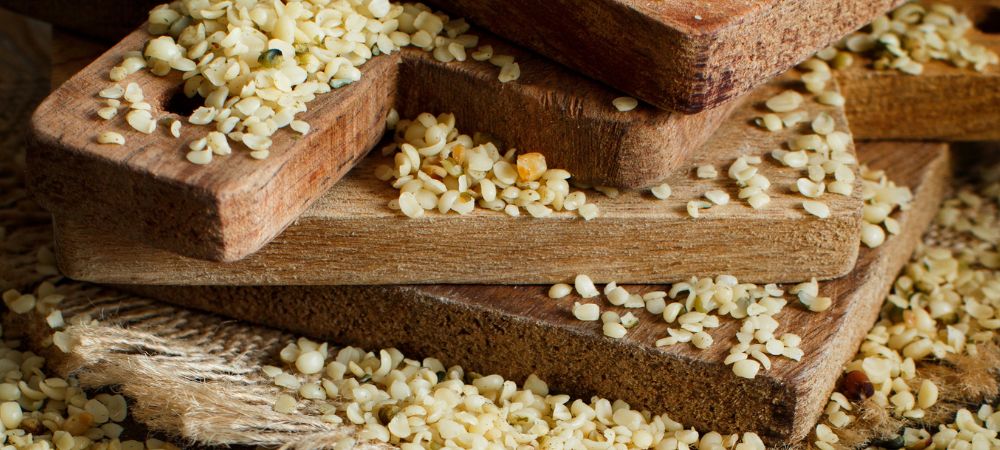
Adding hemp seeds to your daily meals is simple and offers endless culinary possibilities. Their nutty flavor, similar to almonds, makes them an ideal addition to salads, scrambled dishes, smoothies, and nearly any recipe, providing a nutritious and tasty boost. They can be consumed raw to preserve all nutrients or toasted for a different texture.
Hemp seeds are mainly used shelled, as the outer shell is hard and bitter, while the inner seed is flavorful and contains the bulk of the seed’s nutritional benefits.