Personalized Attention +44 151 947 0713
 SHIPPING TO ALL

 9/10 Rating
 SALE TO MINORS PROHIBITED

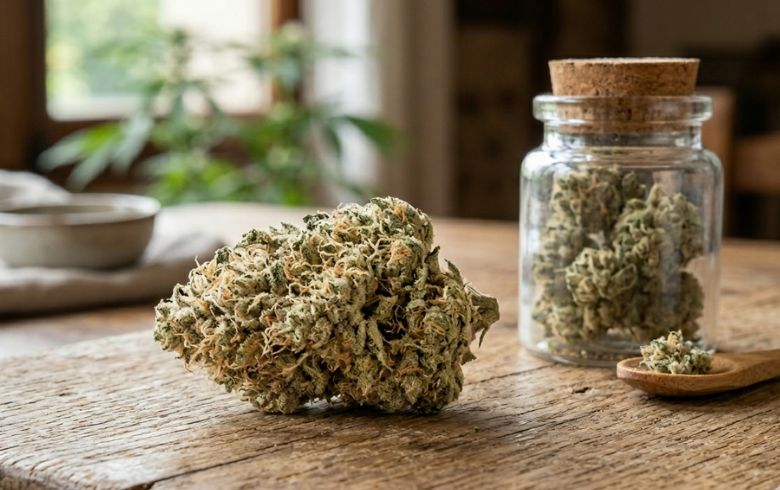
Interest for plant growth regulators or PGRs is on the increase due to the influence of these components in the appearance and quality of cannabis. But, what are PGRs? How do they affect plants?. They can influence crops in different ways. For example, cannabis plants grown using plant growth regulators produce more dense and compact buds. They also improve crop’s resistance.
These components were discovered towards the end of the 20’s and are popular ever since. However, in the last few decades, fear about their possible toxicity has increased.
What are plant growth regulators?
A plant growth regulator or PGR, also known as vegetable hormone, is a natural or synthetic natural substance that is added to the plants in order to alter certain characteristics. Its objective is to increase the resistance against insects and possible illnesses by increasing the resistance of the root system. Such components can be of natural origin, such as seaweeds, or synthetic.
However, in order to understand how plant growth regulators work, first you need to understand how vegetable hormones or phytohormones work. These elements alter the genetics and the growth of cells. On the other hand, some of these elements cause cell death.
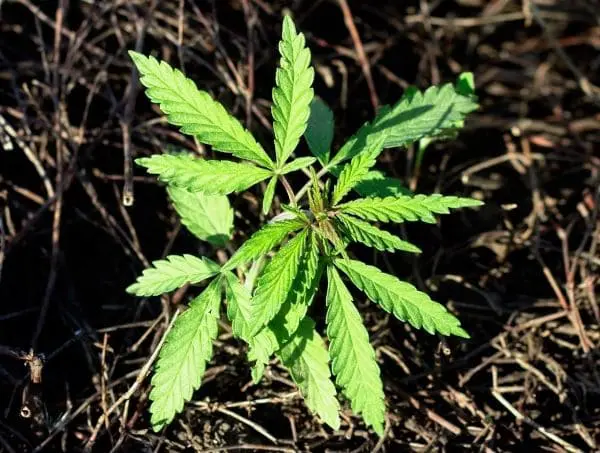
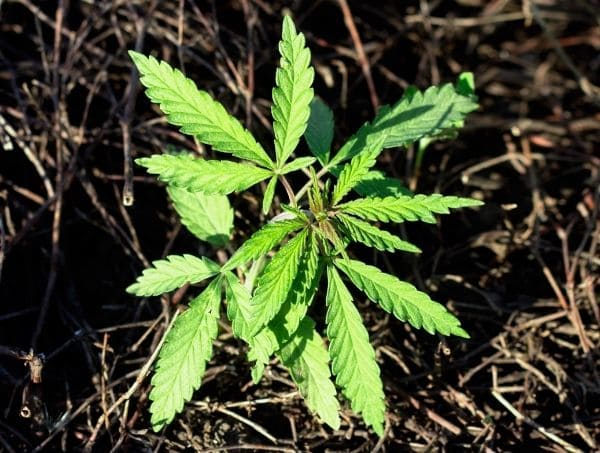
Nowadays, there are 5 types of PGR’s, and each of them has a different effect on the plant. They often work together, depending on the growth stage of the plant. There are 5 big groups of vegetable hormones.
- Auxins. They play a very important role in the development of plants. These hormones are in charge of extending and dividing vegetable cells by improving rooting. They also favor vertical growth and the development of fruits.
- Cytokinins. These growth regulators can be useful stimulate or delay plant development. They are also involved in the creation of secondary roots and promote leaves to stay greener longer. On the other hand, they increase metabolic activity.
- Gibberellin. This substance stimulates flowering and improves root formation. It facilitates the formation of fruits and the production of trichomes. Likewise, they generate a response against sources of environmental stress.
- Abscisic acid: In charge of germination, it creates plants that are more resistant against hydraulic stress. Contrary to the rest of hormones, this one is in charge of inhibiting cannabis seeds and fruit growth.
- Ethylene. Involved in different processes such as germination, the formation of feminine flowers and fruits or help survive plants that lack oxygen or have high salinity levels.
Apart from these 5 types of PGRs, you can find other vegetable hormones like brassinoesteroids or daminozide, which play an essential role in plant resistance and development.
Characteristics of cannabis grown with PGRs
They can be distinguished by these characteristics:
- More dense and harder flowers.
- Brown or orange coloring that resembles dry buds.
- Lack of aroma or scent.
Plant growth regulators also inhibit the production of terpenes, which diminishes the quality and modifies the effects.
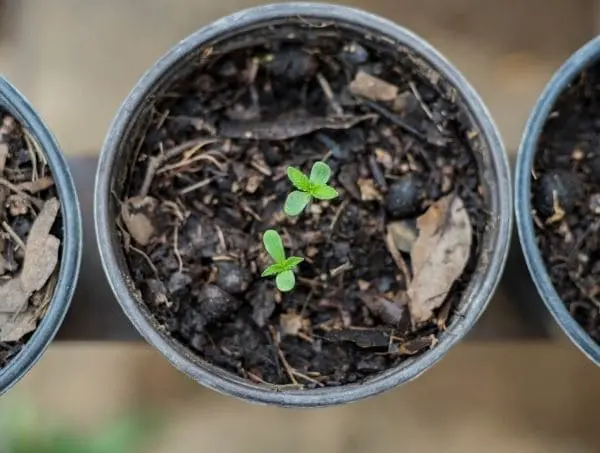
How do growth regulators affect plants?
Plant growth regulators have become increasingly popular because they improve the yield and the size of the buds. For this reason, more and more growers decide to add them to their crops artificially.
By adding PGRs you can modify the morphology to make them fit in reduced spaces or reduce their growth cycle. Different PGRs can speed up or inhibit the development of plants by manipulating the growth cycles. A very desired characteristic by growers is their capacity to produce vigorous and strong but short plants. As a consequence, such boosters produce high performance yields.
What are PGRs for in cannabis grows?
Growth regulators are often helpful to modify all sorts of plants, including cannabis. Basically, their goal is to increase the yield, improve plant adaptability and produce uniform crops.
They are generally handy to obtain a stronger color and growth, a uniform flowering or an increase of flower production. Depending on the type of PGR, they can help inhibit the growth of the plant and its stem.
Are plant growth regulators dangerous?
There is no clear verdict over the risk of using this substance on people, therefore, it isn’t sure that they are health dangerous. As a matter of fact, depending on the different country regulations, they are labelled as safe or toxic.
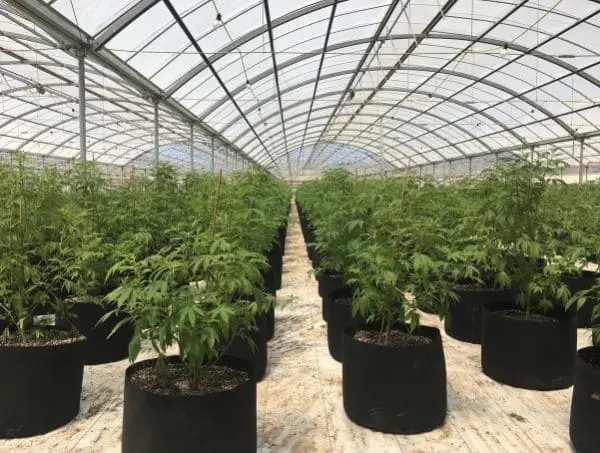
Some of these substances, like daminozide, one of the most common plant growth regulators, are illegal in certain crops, like food. But, how does the body react to the consumption of PGRs?
Although scientists are still investigating, certain findings lead to the conclusion that accidental exposure can cause irritation, breathing difficulties or nausea. The risk increases with constant ingestion. These elements can cause long-term pulmonary damage, which can have a negative impact on people’s fertility and reduce amino acids in the brain.
Are there natural alternatives to PGRs?
Vegetable growth hormones are naturally generated by plants. Sometimes it is possible to take advantage of them and avoid the use of synthetic ones. Some components can be naturally extracted.
It is also possible to use natural regulators, like guano, seaweed or compost. Two of them can actually obtain the same results. For example:
- Chitosan: Animal origin, extracted from crustaceans.
- Triacontanol: Present in plants, such as sugar cane and also in beeswax.
The use of plant growth regulators has increased in all sorts of crops. However, their effects on crops and people is still under evaluation, therefore, we recommend a controlled use.