Personalized Attention +44 151 947 0713
 SHIPPING TO ALL

 9/10 Rating
 SALE TO MINORS PROHIBITED

When growing cannabis, as with any other type of plant, there are several factors that directly influence its proper development and the quality of the final product, such as air, water, sun, and soil. The total lack, a slight deficiency, or poor quality of any of these factors will result in unproductive plants with a high probability of contracting different types of diseases and/or being attacked by various types of pests. Therefore, this article will cover pH in cannabis cultivation, more specifically the pH of irrigation water, one of the most determining factors that must be taken into account if you want to achieve optimal use of the applied nutrients, as well as quality harvests.
What is pH?
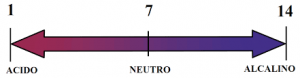
pH is used to measure the acidity or alkalinity of a liquid substance or a dissolved solid. pH has a measurement range that oscillates between 0.0 and 14.0, where substances with a pH below 7.0 are considered acidic solutions, substances with a pH above 7.0 are considered alkaline solutions, and substances with a pH around 7.0 are considered neutral solutions. A good example of an acidic substance is hydrochloric acid (pH 0.0), another example of an alkaline substance is caustic soda (pH 14.0), and a good example of a neutral substance is water (pH 7.0).

The importance of measuring water pH in marijuana crops
When we grow marijuana intentionally and with the intention of obtaining a quality final product, it is important to know the pH values of the irrigation water to ensure that all supplied nutrients can be absorbed by the plants, more specifically by their root system. If these are not within the ideal availability range, it is only a matter of time before different types of nutritional problems begin to appear, caused by the accumulation of different types of minerals in the growing medium, which can create a toxic environment for the roots and can even block other nutrients, preventing their proper absorption. If you maintain control over the pH level in each watering, nutritional deficiencies and even blockages may still appear, although the probabilities of them doing so are much lower, and in the event that they do finally appear, it will be much easier to restore normality and get the plants looking green and healthy again.
The appropriate pH for marijuana plants
For a marijuana plant to develop optimally, it is important to keep in mind that you should not always maintain the same pH value when watering, since depending on the variety grown, the stage it is in (germination, growth, pre-flowering, and flushing), the growing medium used, and whether we are going to carry out an organic or mineral crop, the ideal pH values that the irrigation water should contain vary slightly.
In general, you can grow a marijuana plant by maintaining a constant pH level, although this should oscillate between 5.5 and 7.0. In this way, decent results can be achieved, although you will not obtain the full potential of the variety grown, nor the maximum use of the applied nutrients. In addition, it is possible that nutritional problems may appear during cultivation.
Ideal values for marijuana cultivation in hydroponic, aeroponic, or inert media systems:
- First weeks of development: pH 5.8–5.9
- Pre-flowering stage: pH 6.0–6.2
- Actual flowering stage: pH 6.0–6.3
Ideal values for marijuana cultivation in peat mixes or direct soil:
- First weeks of development: pH 5.5–6.0
- Pre-flowering stage: pH 6.0–6.2
- Actual flowering stage: pH 6.2–6.5
Regulating water pH in marijuana crops
Once we have reviewed the pH meters for marijuana and the different regulating liquids, it is time to learn how to regulate the pH of our irrigation water, although in this sense, we must differentiate between watering with only water and watering with products, in addition to the automated irrigation systems used in hydroponic or aeroponic growing media.
- Watering with only water
Fill the tank, let the water rest for a few minutes, insert the meter, and note the pH value marked when it remains still. Add the amount indicated by the manufacturer to reduce the pH level point by point until reaching the desired value. If the manufacturer makes no recommendation regarding the dosage, then you must add a small amount of the regulator to the tank, dilute it correctly, and let it rest for a few seconds to measure again. This operation must be performed as many times as necessary until the desired value is reached.
- Watering with products
This operation varies according to the range of fertilizers used, since some manufacturers recommend measuring and regulating the pH before adding their fertilizers, and others recommend measuring and regulating the pH after having dissolved them in the irrigation tank. In the event that the fertilizer manufacturer does not indicate anything, it is best to dissolve the fertilizers one by one in the irrigation tank, stirring them vigorously so that they mix perfectly. Afterward, they must be left to rest for several minutes so that the pH stabilizes and we can know the exact value of the mixture made. Once this is done, we can measure the water pH and regulate it correctly.
- Watering in hydroponic crops
In these types of systems, an irrigation tank is usually used together with an automated irrigation system, which contains the water and nutrients that the plants need for approximately 1 or 2 weeks. To be able to regulate and maintain the pH level within the ideal values, it is recommended to use measurement monitors for pH and temperature, which indicate continuously the pH value of the nutrient tank. Thanks to them, it is very simple and fast to regulate the pH level, since we only have to be attentive to the pH indicator, so that the moment it indicates that the pH value is not within the ideal range, we can modify it immediately.
Note: to avoid taking too much time when regulating the pH of the irrigation water, it is recommended to write down the initial pH of the water and the amount of pH regulator used until reaching the desired value.
How to regulate water pH?
Regulating water pH is a simple task that can become complicated if you do not have the right tools in perfect maintenance condition. To be able to do it correctly, it is necessary to have a pH meter, as well as specific liquids to increase or decrease the pH. Therefore, we are going to give a brief review of pH meters and liquids for regulating pH.
- pH meters
pH meters are measurement devices that are quite simple to use, since in general, you only have to turn them on and insert their probe into the water to know the pH of the analyzed water. To prevent them from offering erroneous measurements and breaking down in a short period of time, it is necessary to clean them after each use, as well as calibrate them from time to time and keep the probe moist with a maintenance solution.
- Liquids for regulating pH
The liquids for reducing or increasing the water pH level are formulated with acidic or alkaline components, and these can be of organic or mineral origin. Furthermore, and depending on the manufacturer, it is possible to differentiate them between pH regulators for growth and pH regulators for flowering.
In general, mineral pH regulators are usually formulated with the following components:
- Nitric Acid: depending on the concentration, it can be used to raise the pH or lower the pH; it is also ideal for the growth stage due to its high nitrogen concentration.
- Phosphoric Acid: reduces the pH and is ideal for the flowering stage due to its high phosphorus content, although it can also be used in growth.
- Potassium Hydroxide: increases the water pH and, due to its high potassium content, can be used in growth and flowering.
Organic pH regulators are usually formulated with the following components:
- Humic Acids: increase the pH level and can be used throughout the entire crop, although it is most recommended to use them only in the growth stage, since humic acids reduce THC production.
- Citric Acid: lowers the pH and can be used throughout the entire crop without problems.
The main difference between organic and mineral pH regulators lies in the fact that minerals damage the soil’s micro-life, so it must be recomposed after each use. However, organic ones do not present any type of problem for microorganism colonies, although a slightly larger amount of product must be used compared to mineral reducers to reach the desired levels.
Types of pH meters for marijuana
Drop pH meter
This meter is one of the simplest to use, as it only consists of a test tube, a reactive liquid, and a color chart. To know the pH level of our irrigation water, you just have to fill 3/4 of the test tube with the water you want to analyze, then add a couple of drops of the reactive liquid, then put the cap on, shake vigorously for a few seconds, and contrast the color that appears with the color chart to know the pH of the analyzed water.
It is important to keep in mind that this type of drop-based reactive meter should only be used with water without any type of fertilizer or product; otherwise, the measurement will be erroneous.
Milwaukee pH 600 Eco Meter
It is one of the most used pH meters in indoor grow rooms and outdoor crops, given that it is the most economical of all and provides good results. It is perfect for getting started in cannabis cultivation if you are looking for a cheap meter or if you cannot afford a better one. It is calibrated by inserting the meter into a calibration liquid for pH meters, first at 7.00 pH and then at 4.00 pH. To adjust the pH level with the value of the calibration sachet used, you must turn the small screw it incorporates to one side or the other while looking at the screen to know the value—it’s that simple.
The only drawback of this meter is that the probe must be kept clean and moistened with a maintenance solution for pH meters; otherwise, it is a little easier for it to start giving erroneous values compared to other meters. On the other hand, it is important to know that it is not waterproof, so the meter should not be inserted beyond the probe itself.
Adwa AD-100 pH Meter
This pH meter is a bit more sophisticated than the previous one, since in addition to offering slightly more precise measurements, it calibrates automatically using pH 7.00 and 4.00 sachets, which are included. Furthermore, by automatically compensating for temperature, the measurements offered are more precise. This specific model offers greater resistance and reliability over time, although as with the rest of the meters on the market, if the probe is not kept clean and a little maintenance solution is not added to the cap so that the probe remains moist, it is easy for it to offer erroneous measurements after a short time. Its only drawback is that it is not waterproof, so only the tip of the meter should be inserted.
Adwa AD-11 Waterproof pH Meter
The AD-11 digital pH meter from Adwa is a model that can be classified as semi-professional, since in addition to offering precise pH measurements thanks to the fact that it automatically compensates for water temperature, it indicates the actual temperature of the irrigation water and, furthermore, is capable of surviving if we drop it into the irrigation tank. This does not mean that it can be completely submerged underwater to take measurements, but rather that it is simply capable of resisting a fall into the irrigation tank without breaking. Another of the peculiarities of this waterproof Adwa meter is that the probe can be exchanged in the event that it has been damaged or broken, as they are quite delicate. This allows us to replace it at any time without having to purchase a new pH meter.
To calibrate it, you just have to press the ON/OFF button for several seconds while it is on, until the letters “CAL” appear. Afterward, the meter itself will indicate the value of the calibration sachet in which it should be inserted; first, it will indicate pH 7.00 and then pH 4.00. To keep it in perfect condition, it is recommended to clean the probe after each measurement and introduce a little maintenance solution into the cap so that the probe remains moist and can function correctly for much longer.
Bluelab Guardian Monitor
The Bluelab Guardian Monitor is undoubtedly the most sophisticated, professional, and precise meter that we show in this article, since it is a continuous pH, EC, and temperature meter, which is perfect for use in hydroponic and/or aeroponic cultivation systems, crops in which constant control over the characteristics of the irrigation water must be maintained.
To make correct use of this continuous digital pH, EC, and temperature meter, you just have to place the monitor at a height where we can comfortably view the values it indicates; afterward, you just have to adjust the pH and EC levels of the irrigation water according to the needs of the plants and the stage they are in. On the other hand, it has a visual alarm system (flashing light) by which it warns us that the values of the irrigation tank water are not within the desired levels, which allows us to correct any type of fluctuation almost instantly.
The truth is that with the use of this type of continuous monitor, a lot of time is saved when watering, and the chances of getting the full potential out of the genetics grown increase. It must be mentioned that its probes are interchangeable, so in the event of breakage or wear, they can be replaced without problems. And as for its calibration system, it is very simple, since only the probe for the pH needs to be calibrated, and as with the rest of the pH meters on the market, it is interesting to clean the probes after each use and keep them moistened with the maintenance solutions indicated by the manufacturer.
To better understand the characteristics of the pH meters for marijuana that we have discussed in this article, you can click directly on each of the photos; this way, you will be able to view the product on our website with a much more extensive and concise description, in addition to being able to view other types of meters that we have for sale. Best regards, and see you in the next article.