Personalized Attention +44 151 947 0713
 SHIPPING TO ALL

 9/10 Rating
 SALE TO MINORS PROHIBITED


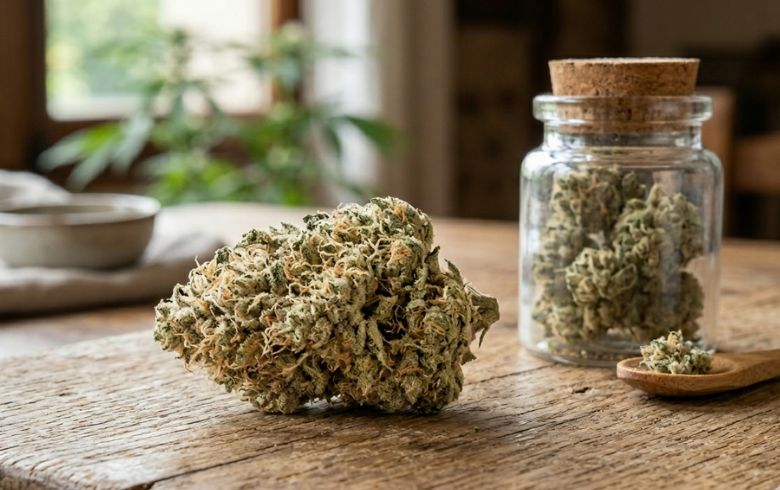
Growing cannabis ecologically is the key to being rewarded with the best flavors and the richest possible organoleptic profile. This article explains how to set up an organic marijuana grow easily. A selection of organic products that help enhance your crops is also provided. With organic fertilizers, you can achieve abundant harvests by following these tips.
Chemical and organic fertilizers
Currently, there is an infinite variety of fertilizers for marijuana, but these can be divided into two main categories:
- Chemical fertilizers.
- Organic fertilizers, which are discussed in this article.
Using chemical fertilizers adds contaminants to the soil and insoluble salts in water that accumulate over time, making the soil less fertile. Indoors, it’s common to discard the substrate once used. The application of chemical fertilizers in this case will only affect the aromas of the cultivated plant.
There is a wide selection of natural fertilizers. It’s best to choose a good organic range so that all the products you provide to your plants are as pure as possible.
Thus, a grower using organic fertilizers will only need to water with fertilizer once a week, while other waterings are done with clear water. Organic fertilizers are less concentrated and assimilate more slowly by the plant. Providing them to the plants more frequently could increase the risk of over-fertilization.

Growing cannabis ecologically: a step-by-step guide
Now that you know more about organic fertilizers, here’s how to establish an environmentally friendly biological grow.
Preparing the growing medium
The first thing to do is to enrich the soil and prepare it for the future well-being of the plants.
- If planting in pots, simply fill them with a light substrate containing only the necessary nutrients.
- On the other hand, when planting in outdoor soil, you can enrich your soil beforehand.
You can also mix worm humus into the soil to promote rapid rooting and good growth of the plants during the first months of life. If this is your first time growing outdoors, you can dig a hole in the ground and pour the contents of 3 to 4 bags of 50-liter substrate which you will mix with approximately 20% of worm humus. You will need to repeat this operation every year if you have to grow again.

Boom Nutrients Light Mix

Boom Nutrients All Mix

All Mix GB Nutrients
Watering
The pH of the water is also an important parameter to consider. By providing the plants with a watering solution with the right level of acidity, the plants will have no trouble assimilating the nutrients provided. To do this, you can use a pH meter and pH regulators.

Medidor de pH Adwa AD11 Waterproof
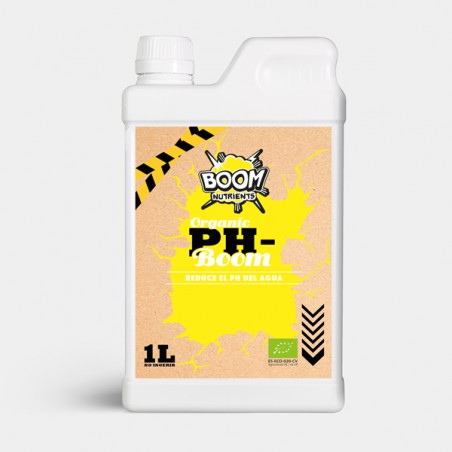
Organic pH-

Organic pH+
Germinating seeds
Once the substrate is prepared, proceed with germinating the seeds. When the seed has germinated, transplant it into a 3-liter pot where it will begin its growth period in the best conditions. Growing it in a small pot allows you to protect it from predators and insects. Once the plant has reached a considerable size, you can consider transplanting it to the garden for outdoor cultivation.
The plant will then grow dramatically. This way, you will have a healthy and bushy plant. Depending on the time you decided to plant the seed, you will have a larger or smaller plant:
- If you plant early (in December or January), you will need to grow it either indoors with the help of a low consumption bulb or outdoors in a greenhouse.
- If you choose the second option, you will also need to add a light that interrupts the plant’s night cycle every 3-4 hours for 5 minutes to prevent it from flowering. From March onwards, after the last frosts, you can move the plant out of its shelter to grow it outdoors and under natural light.
The growth phase in organic cannabis
By then, you will have a one-meter plant while most people are just beginning to germinate their seeds. If possible, it is also recommended to use a fortifying foliar spray like B.A.C which will strengthen your plants by stimulating chlorophyll production and hardening their stems and leaves. A strong plant will be able to defend itself against unfavorable weather and insect infestations.
Against these same insects, it is advisable to use Neem Boom which should be used every 20-25 days to preventively combat whiteflies, red spiders, or aphids. This oil will leave a taste and smell on your plants that will be recognized as poisonous by insects, making them prefer to seek another place. Once the epidemic is established, neem oil will have no effect and you will have to resort to a systemic insecticide to get rid of the unwanted ones.
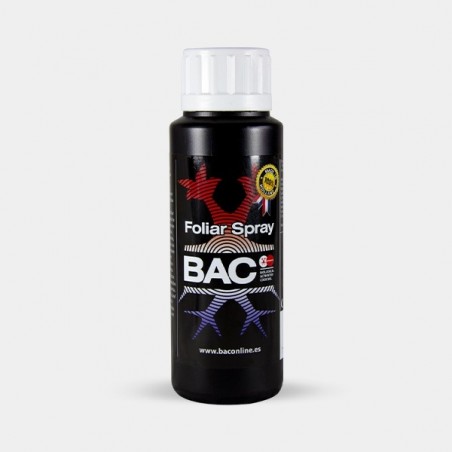
Foliar Spray

Neem Boom
Transition to flowering and sex differentiation
In midsummer, you will be able to recognize the sex of the plants. This will be the time to separate the males if you planted regular seeds. In any case, you will need to perform a final transplant into the final pot which should be atleast twice the size of the original.
It will also be the time to use a flowering stimulant like Bio-Boost from Canna. A flowering stimulant will promote rapid flowering, with shorter branches that will host bulky buds. As the flowers form, you will also need to change the plants’ diet from basic growth fertilizers to flowering fertilizers.
If you didn’t add bat guano to the substrate when planting, now is the time to do so. You only need to dig a small trench around the plant’s trunk in which you will place two tablespoons per 7-liter pot. Bat guano is a slow-absorbing natural fertilizer that will be assimilated by the plant within a month to 5 weeks after planting.
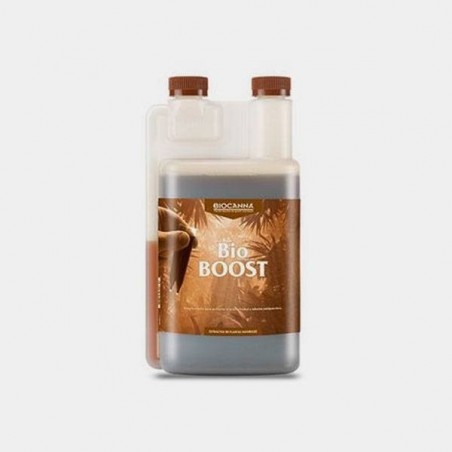
Bio Boost

SuperGuano
It will also be the time to apply a preventive against caterpillars and harmful fungi. Treatments can be alternated:
- For example, you can start one week with neem oil.
- The following week with Bacillus Thuringiensis with products like Great White Premium Mycorrhizae, very effective against caterpillars.
- The third week, you can finish by applying Propo Boom, an excellent natural preventive against fungi like powdery mildew that can be devastating to any crop.

Great White Premium Mycorrhizae

Propo Boom
End of flowering and root flushing
A month after providing guano to the plants, you will need to repeat the operation. Then you will be done with the guano, but you will need to continue using the basic flowering fertilizer until the end of the flowering cycle. The guano will provide an additional PK supply for the bud fattening phase.
As the harvest approaches, you will need to perform a root flush to clean the fertilizer residues and mineral salts in the substrate that could negatively affect the plant’s organoleptic qualities. To do this, you should water the plants with a large amount of clean water and let the excess liquid drain from the bottom of the pot until the water that comes out is no longer loaded with mineral salts and other fertilizer residues. If desired, you can use a nutrient cleaner like Flush Boom, Canna Flush, Final Solution… to ensure the plants are as clean as possible and the flavor of the flowers remains true to the used genetics.

Flush Boom
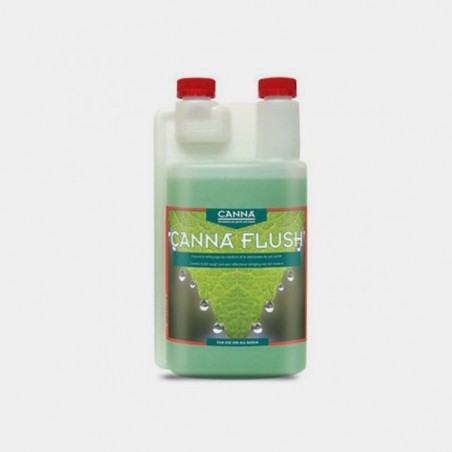
Canna Flush
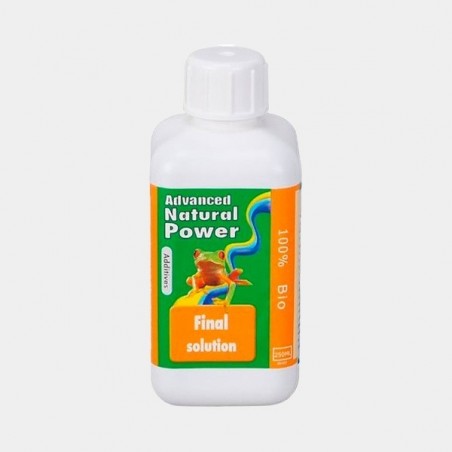
Final Solution
As you can see, it’s not difficult to grow your plants completely organically and biologically. By following these tips, you will enjoy cannabis with an original flavor, without any secondary flavors that denature it. Additionally, you will be able to make the most of the medicinal and therapeutic qualities of your production. Furthermore, you will be cultivating the plants without negative consequences for the environment. The ecological cultivation will improve year after year without altering the soil quality.