 Personalized Attention +44 151 947 0713
 SHIPPING TO ALL

 9/10 Rating
 SALE TO MINORS PROHIBITED
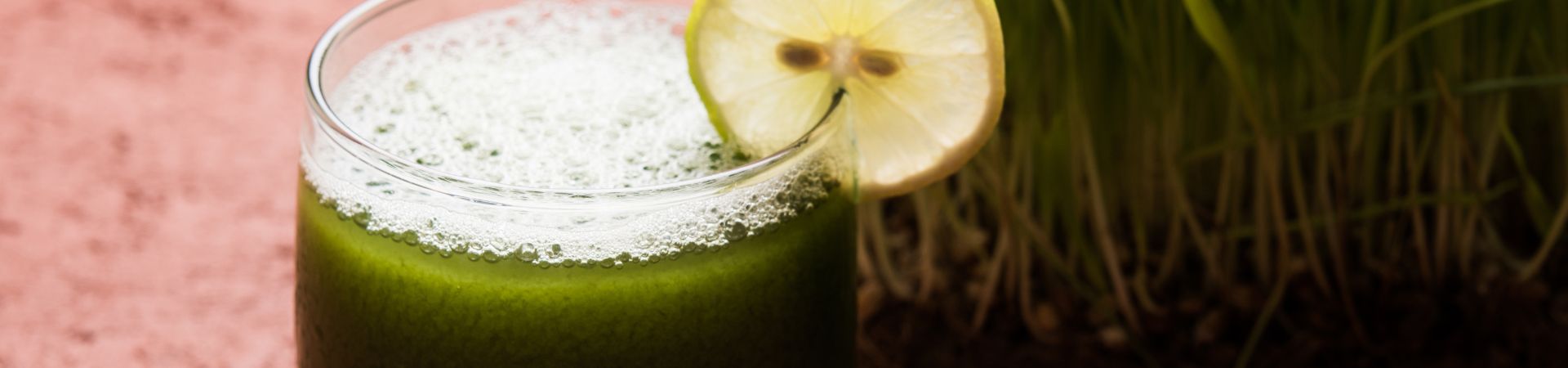
More and more people are becoming conscious of caring for the environment and adopting a healthy lifestyle. This is because many of the problems individuals face on a daily basis are directly related to their dietary habits. Therefore, it is necessary to maintain a rich and balanced diet. To achieve this, the properties of chlorophyll and how to make chlorophyll water are explained here.
What is Chlorophyll?
The green color commonly seen in most plants on Earth, along with some algae and even bacteria, is due to the presence of pigments or photosynthetic pigments in their cells, or what is known as chlorophyll. Essentially, it is a chemical substance capable of absorbing light and directly participating in the process of photosynthesis carried out by plants and other organisms.
Seven types of chlorophyll have been differentiated: A-B-C1-C2-D-E-F. Of all these, the most common ones are:
- Chlorophyll A: It has been demonstrated to perform a single function, that of transforming the energy of absorbed light into chemical energy to be utilized by the plant. Additionally, this type of chlorophyll can be found in all plants that undergo photosynthesis.
- Chlorophyll B: It also absorbs light like chlorophyll A, except it is only found in green-colored plants.
What is chlorophyll used for?
Chlorophyll is often defined as the “blood of plants” due to its composition and vital functions: :
- Facilitating the process of photosynthesis by absorbing sunlight to produce energy and generate carbohydrates to improve plant metabolism.
- Moreover, individuals can benefit from its function in purifying and oxygenating the blood, allowing for detoxification of the body and acting as a potent diuretic.
Properties and benefits of chlorophyll
Chlorophyll possesses numerous properties and benefits, such as those listed below:
- Promotes faster healing.
- Enhances the immune system.
- Exhibits antibacterial and antioxidant properties.
- Is a source of vitamins E and K.
- Acts as an antimicrobial.
- Acts as a deodorizer (combats halitosis and unpleasant body odor).
- Oxygenates and detoxifies human body cells.
- Balances metabolism.
- Provides multiple easily assimilated vitamins and minerals.
- Improves blood circulation.
- Cleanses the intestines, kidneys, and liver.
- Acts as a rejuvenator by preventing cell deterioration.
- Improves the circulatory system.
- Increases vitality in individuals with nutritional and/or dietary problems (anorexia, lack of appetite, etc.).
- Enhances the condition of the intestines.
- Combats cholesterol.
- Improves intestinal regularity.
- Possesses anticancer properties.
- Rich source of vitamins A-C-D-E-K-U.
- Rich in minerals such as sodium, magnesium, potassium, calcium, phosphorus, or iron, among others.

More and more people are becoming conscious of caring for the environment and adopting a healthy lifestyle. This is because many of the problems individuals face on a daily basis are directly related to their dietary habits. Therefore, it is necessary to maintain a rich and balanced diet. To achieve this, the properties of chlorophyll and how to make chlorophyll water are explained here.
What is Chlorophyll?
The green color commonly seen in most plants on Earth, along with some algae and even bacteria, is due to the presence of pigments or photosynthetic pigments in their cells, or what is known as chlorophyll. Essentially, it is a chemical substance capable of absorbing light and directly participating in the process of photosynthesis carried out by plants and other organisms.
Seven types of chlorophyll have been differentiated: A-B-C1-C2-D-E-F. Of all these, the most common ones are:
- Chlorophyll A: It has been demonstrated to perform a single function, that of transforming the energy of absorbed light into chemical energy to be utilized by the plant. Additionally, this type of chlorophyll can be found in all plants that undergo photosynthesis.
- Chlorophyll B: It also absorbs light like chlorophyll A, except it is only found in green-colored plants.
What is chlorophyll used for?
Chlorophyll is often defined as the “blood of plants” due to its composition and vital functions: :
- Facilitating the process of photosynthesis by absorbing sunlight to produce energy and generate carbohydrates to improve plant metabolism.
- Moreover, individuals can benefit from its function in purifying and oxygenating the blood, allowing for detoxification of the body and acting as a potent diuretic.
Properties and benefits of chlorophyll
Chlorophyll possesses numerous properties and benefits, such as those listed below:
- Promotes faster healing.
- Enhances the immune system.
- Exhibits antibacterial and antioxidant properties.
- Is a source of vitamins E and K.
- Acts as an antimicrobial.
- Acts as a deodorizer (combats halitosis and unpleasant body odor).
- Oxygenates and detoxifies human body cells.
- Balances metabolism.
- Provides multiple easily assimilated vitamins and minerals.
- Improves blood circulation.
- Cleanses the intestines, kidneys, and liver.
- Acts as a rejuvenator by preventing cell deterioration.
- Improves the circulatory system.
- Increases vitality in individuals with nutritional and/or dietary problems (anorexia, lack of appetite, etc.).
- Enhances the condition of the intestines.
- Combats cholesterol.
- Improves intestinal regularity.
- Possesses anticancer properties.
- Rich source of vitamins A-C-D-E-K-U.
- Rich in minerals such as sodium, magnesium, potassium, calcium, phosphorus, or iron, among others.
Chlorophyll contraindications
Similar to many products or foods we ingest, some may have certain side effects or contraindications. These will depend on the individual using them. Among them are:
- Diarrhea.
- Changes in urine and stool color.
- May cause allergies.
Daily consumption is entirely recommended, although, for best results, the first step is to consult with a primary care physician and/or dietitian. This way, they can provide guidelines for obtaining all its benefits by incorporating it correctly into daily nutrition.
Sources rich in chlorophyll
In reality, any type of plant or vegetable can be a good source of chlorophyll, although it is best obtained through consumption of edible vegetables, such as the following:
Bell pepper
- Broccoli
- Leek
- Celery
- Asparagus
- Chard
- Spinach
- Algae and/or seaweed
- Brussels sprouts
- Leaves, stems, and flowers of cannabis
Regarding the consumption of chlorophyll extracted from parts of marijuana, it should be noted that it will not produce any psychoactive effects, as its components are in their acidic form, as long as it is prepared with freshly harvested cannabis from marijuana seeds. The benefits of consuming chlorophyll juice extracted from marijuana plants have multiple health benefits.
How to prepare chlorophyll juice?
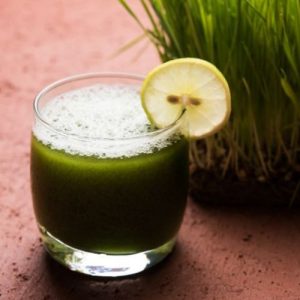
Chlorophyl water

Utensilios
- 1 Glass
- 1 Blender
Ingredientes
- 1 head of broccoli
- ½ small red cabbage
- 2 carrots
- 1 peeled lemon
- 1 green apple
- A touch of ginger root
- A bit of turmeric root
- Algae or wheat powder
Elaboración paso a paso
- Thoroughly wash all the vegetable material to be used.
- Peel the necessary vegetables like ginger or lemon.1 head of broccoli, ½ small red cabbage, 2 carrots, 1 peeled lemon, 1 green apple, A touch of ginger root, Algae or wheat powder, A bit of turmeric root
- Blend ingredients progressively.
- Dilute the content in 3 parts water or juice if only vegetables are blended.
- If all ingredients are added to the blender, check the texture of the result and dilute to taste.
- Ice can be added to make a refreshing smoothie.
Notes
Other ways to make chlorophyll water
 You can add various vegetables like lime, cucumber, basil, or mint. You can also opt for different types of algae like spirulina.
NUTRICIÓN
How to take liquid chlorophyll?
Liquid chlorophyll can be taken in several ways, although it is always advisable to dilute it in 3 parts water and/or with some type of juice to enhance its enjoyment and benefits, as it does not have a particularly pleasant taste.
Once the juice is prepared, it should be kept in the refrigerator and consumed within a maximum of 3 days. Otherwise, its properties will disappear.
Additionally, it can be consumed through chlorophyll concentrates available in multiple health food stores. To consume them, they should be diluted in water or juice.
Chlorophyll can also be found in spray form. Chlorophyll in this format allows it to be applied to virtually any food or used directly sublingually, similar to concentrated droplet format, which should be added to a water bottle and vigorously shaken.
It is worth noting that most products rich in algae or algae concentrates, such as spirulina, have a high percentage of chlorophyll.
Finally, chlorophyll juice has multiple properties that can be easily used with any of the explained recipes.




 Add as preferred source in Google



3 replies on “How to make chlorophyll water”
A healthy and refreshing juice with the benefits of chlorophyll and cannabis
Perfect for a detox with a twist of cannabis
A unique and invigorating drink for any health-conscious individual