Personalized Attention +44 151 947 0713
 SHIPPING TO ALL

 9/10 Rating
 SALE TO MINORS PROHIBITED

Fertilizer for plants with yellow leaves is essential to address this common issue in marijuana plants, which can impact the health and yield of your harvest. Yellow cannabis leaves (chlorosis) can be caused by various factors such as nutrient deficiencies, overwatering, or problems with soil pH. To effectively correct it, it’s crucial to understand the causes and apply the appropriate fertilizer. In this article, we’ll explore fertilizer for plants with yellow leaves in depth, addressing both the causes and the most effective solutions to restore your crop’s vitality.
Why your plant’s leaves are turning yellow
Green leaves contain chlorophyll, a pigment essential for photosynthesis, the process by which plants convert light into energy. When a leaf turns yellow, it means it has lost some or all of its chlorophyll, reducing its ability to absorb light and transform it into energy.
It’s important to note that not all yellow leaves indicate disease. Some plants naturally have colored leaves due to pigments like anthocyanins (purple, red) or carotenoids (orange, yellow), the same pigments that give fruits like carrots or blueberries their color.
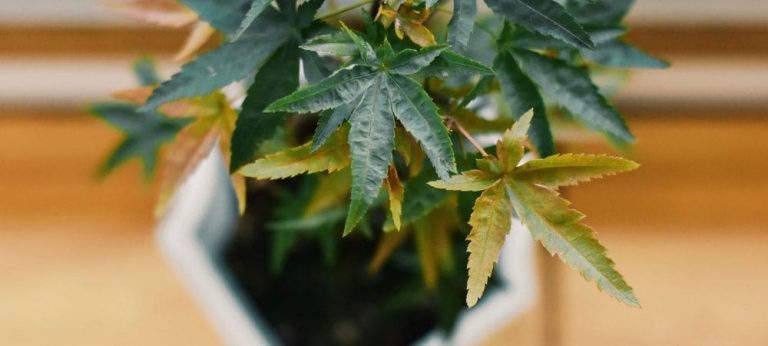
Yellowing leaves diagnosis in marijuana plants
Before applying any fertilizer, it’s important to identify the exact cause of the yellowing. The fan leaves are the largest and most visible on the cannabis plant, and their discoloration can be due to several factors:
- Nutrient deficiencies: Lack of nitrogen, iron, magnesium, or other essential micronutrients.
- Over-fertilization: Salt buildup can block nutrient absorption.
- Improper watering: Both overwatering and underwatering can affect root health.
- Environmental conditions: Stress from heat, cold, or sudden temperature changes.
- Pests and diseases: Presence of fungi, bacteria, or harmful insects.
Yellow leaves at different stages of growth
Yellowing can occur at any growth stage, but the causes and solutions vary depending on the plant’s development.
Seedling (initial stage)
Seedlings are extremely delicate. If their leaves start turning yellow, it’s usually due to over-watering or poor-quality substrate. It’s crucial to:

- Use a light and well-aerated substrate.
- Water moderately, avoiding waterlogging.
- Provide sufficient light, but not excessively.
- Do not fertilize too early; at this stage, a nutrient-rich soil is enough.
The biology behind yellowing in seedlings
Chlorosis in seedlings is mainly due to a deficiency of chlorophyll, which is essential for photosynthesis. Immature roots have limited capacity to absorb nutrients and water, and any disruption in this process will affect chlorophyll production. When plants don’t receive enough essential nutrients, especially nitrogen, one of chlorophyll’s main components, the older leaves usually show yellowing first as nutrients are moved to the newer growth.
Photosynthesis is also less efficient when leaves turn yellow, reducing the plant’s energy for growth. As the roots mature and expand, the plant may overcome these issues, but during the seedling stage, early intervention is key to ensuring healthy development.




Vegetative growth
At this stage, the plant is actively developing and requires high levels of nitrogen to maintain healthy foliage. If the leaves begin to yellow:

- Nitrogen deficiency: This shows up as progressive yellowing from the lower leaves upward. Solution: apply a nitrogen-rich fertilizer.
- Nutrient lockout due to improper pH: Check the substrate’s pH and adjust if it’s outside the optimal range (6.0–6.5 in soil, 5.5–6.0 in hydroponics).
- Incorrect watering: Too much water can cause root suffocation; too little can lead to water stress.
Biology behind yellowing during vegetative growth
During the vegetative phase, the plant requires a large amount of nutrients to build its structure and support growth. Photosynthesis depends on sufficient chlorophyll in the leaves. When nitrogen is lacking, the plant moves nutrients from older leaves to new growth, causing lower leaves to yellow.
Also, substrate pH directly affects the plant’s ability to absorb nutrients. When the pH is out of range, nutrients like iron, magnesium, and phosphorus become less available, worsening the yellowing.
Regarding watering, cannabis roots are adapted to aerobic environments (with adequate oxygen). Excess water creates an anaerobic environment where roots “drown,” impairing essential biological functions. This affects nutrient uptake, leading to deficiency symptoms, including chlorosis.
[ppbo products=”4586,148,381″ language=”en”]
Flowering
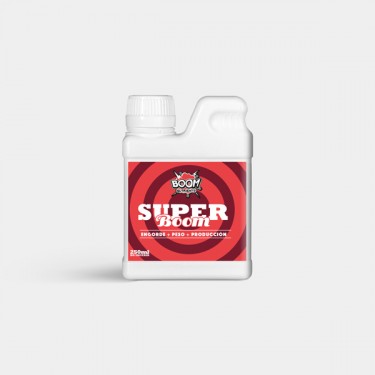
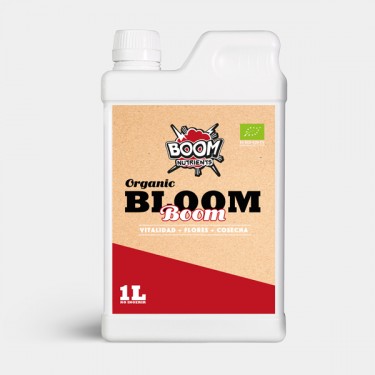
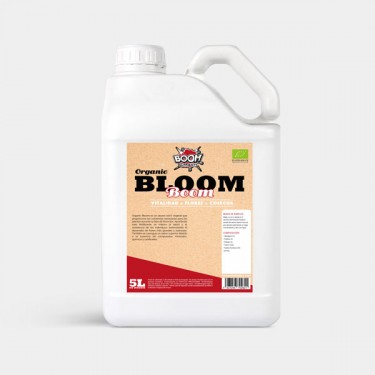
The flowering stage is one of the most crucial phases in the life cycle of a cannabis plant. During this period, the plant redirects its energy and nutrients to develop the flowers, which significantly changes its nutritional needs. It is normal for some older leaves to turn yellow as the plant redirects nutrients toward the flowers rather than the leaves. However, when yellowing extends beyond the older leaves or is accompanied by other symptoms, it could be a sign of nutrient deficiencies or nutrient absorption issues.

- Phosphorus and potassium deficiency: Leaves may turn yellow with brown spots or dry out at the edges. It is recommended to use a flowering fertilizer.
- Poor root flushing: If salts have accumulated in the substrate, the plant will have trouble absorbing nutrients. A root flush with pH-balanced water can help.
The biology behind yellowing in flowering
In the flowering phase, the cannabis plant focuses its energy on producing flowers, which means that the leaves, especially the older ones, receive fewer nutrients. This mobilization process is normal and occurs as the plant transitions into its reproductive phase.
Phosphorus and potassium are essential nutrients for flower development. Phosphorus is crucial for root and flower formation, while potassium helps regulate water within the cells and strengthens the cell walls, which is vital for the plant’s resilience. Suppose the plant does not receive enough phosphorus and potassium during flowering. In that case, the first visible symptoms are yellow leaves, often followed by brown spots at the edges due to cell dehydration and potassium deficiency.
On the other hand, the roots play a key role in nutrient absorption, and poor root flushing can lead to an unhealthy growth environment. Salts accumulated in the substrate increase salinity, reducing the availability of essential nutrients and negatively affecting the plant’s health.
When is it normal for leaves to turn yellow?
Natural senescence
At the end of the flowering stage, it is completely normal for the older leaves to turn yellow and fall off. The plant redistributes its nutrients to the buds, optimizing flower production.
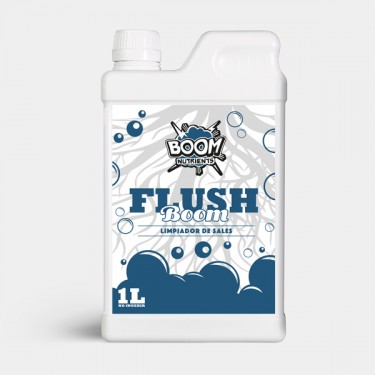
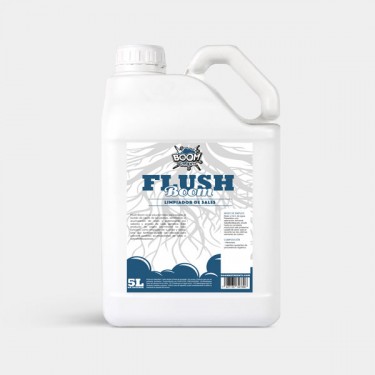
Root flushing before harvest
If a root flush is performed two weeks before harvest, the plant will begin to use the nutrients stored in its leaves, causing a progressive yellowing. This is not a sign of alarm but a natural process that improves the flavor quality of the final product.
Yellow leaves on autoflowering plants
Autoflowering plants are more sensitive to fertilizers than photoperiodic plants, so certain recommendations should be followed:
- Use fertilizers in lower doses than in regular varieties.
- Maintain strict pH control to avoid nutrient blockages.
- Avoid unnecessary transplanting, as these plants have a short life cycle and stress can negatively affect them.
Solutions: Fertilizers for yellow leaves on plants
Depending on the cause of the problem, different types of fertilizers for yellow leaves on plants can be applied. Here are the best options:
For nitrogen deficiency
Humic Boom
Humic Boom by Boom Nutrients is an organic fertilizer designed to improve nutrient absorption and promote root development in plants. It contains humic acids and organic matter that facilitate the slow release of nitrogen, phosphorus, and potassium, promoting healthy growth and higher yields in crops. It can be used in all stages of cultivation, both in the vegetative phase and in the flowering phase.
Recommended dosage:
- In Pots: 3 applications during the cultivation (2nd week of growth, start of flowering, 3rd/4th week of flowering) with a dose of 1 g/L.
- In Outdoor Soil Cultivation: 3-5 applications of 200 g per square meter at different times in the cycle.
Composition:
75% organic matter, 22.5% humic acids, 5% nitrogen, 5% potassium, 4% phosphorus, and other nutrients.


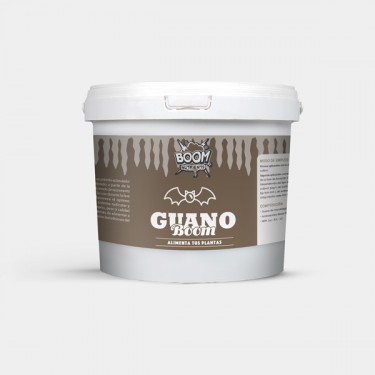
Guano Boom
Guano Boom by Boom Nutrients is a high-quality organic fertilizer derived from bat droppings, fed with fruits, insects, and nectar. This product is used to stimulate flowering, improve root development, and increase production, size, flavor, potency, and resin content of the flowers.
Benefits:
- Improves soil texture and promotes healthy decomposition of spent material.
- Acts as a fungicide, nematode controller, and improves soil health.
- Provides essential nutrients such as nitrogen, phosphorus, and potassium required for vegetative growth and flowering.
- Works as a slow-release fertilizer, preventing over-fertilization.
Dosage and application:
- For Substrate: Mix 1 kg per 100-200 L of substrate or 50 g per L of substrate.
- For Plants: 100 g per plant every 2 months.
Composition:
- High-quality bat guano, free amino acids (6%), and NPK (2.4 – 8.2 – 1.2).
It is a product suitable for organic farming and can be used in solid, granular, or powdered form.

Super Guano
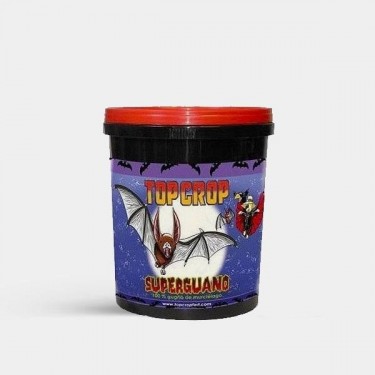
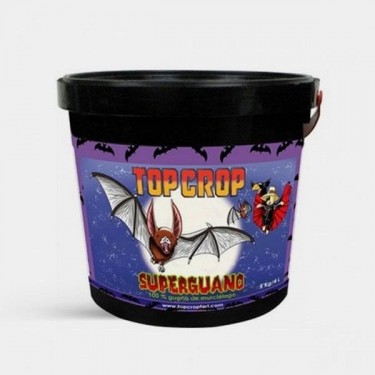
SuperGuano by Top Crop is an ecological fertilizer based on bat guano, ideal for promoting flowering and root development in plants. It is suitable for organic farming and offers slow release of nutrients.
Benefits:
- Promotes abundant flowering.
- Stimulates root development and keeps plants healthy.
- Improves soil quality, aiding nutrient uptake.
- Acts as a natural fungicide and pH regulator.
- Provides nutrients like nitrogen, phosphorus, and calcium necessary for healthy growth.
Dosage and application method:
- For pots: Add 2 tablespoons at the beginning of flowering and repeat after 20 days.
- For soil: Add 100g per plant every 2 months during the appropriate season.
Composition:
- NPK: 1-10.5-0.2
- Calcium: 31%
- Magnesium: 2%
- Other micronutrients such as iron, manganese, and zinc.
Recommendation: Do not exceed the recommended dosage to avoid over-fertilization.
For magnesium deficiency
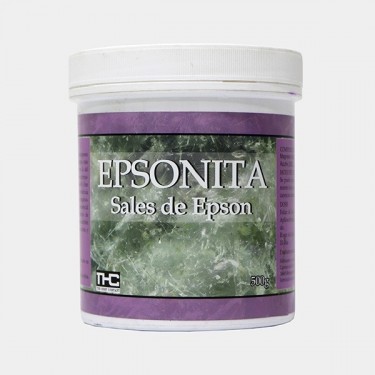
Epsonita THC
Epsonita by THC is a water-soluble powder fertilizer that provides magnesium and sulfur to the substrate, improving plant health during cultivation. It is ideal for recovering the quality of depleted or deficient soils in these essential nutrients.
Benefits:
- Improves plant photosynthesis, promoting deep green, healthy foliage, especially at the start of flowering.
- Corrects visible sulfur and magnesium deficiencies, ensuring efficient nutrient transport for plants.
- Can be applied in automatic irrigation systems without clogging risks.
Application method:
- In substrate: Mix 10g of Epsonita per 7L pot.
- In watering: Dissolve 8g in 1 liter of water and apply to 10 pots.
Composition:
- 16.7% Magnesium.
- 32.5% Sulfur.
Cal-Mag
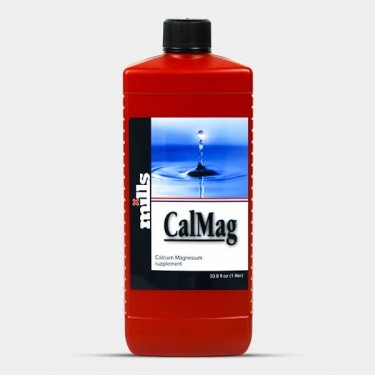
Cal-Mag by Mills is an essential fertilizer that provides calcium and magnesium to cannabis plants, two crucial minerals for processes like photosynthesis, structural development, and fruiting. It is especially used when EC levels in water are low (below 0.4), as in the case of osmosis or distilled water, to create an adequate mineral base.
Benefits:
- Corrects common calcium and magnesium deficiencies in cannabis crops, preventing plant stress.
- Enhances photosynthesis and plant development, promoting better fruiting.
Application method:
- Standard dosage: 0.5-1 ml/L of water.
- To increase EC, add 0.5 ml/L and measure until desired levels are reached.
- Foliar application: Spray 0.5 ml/L during low light hours.
- Suitable for coco, hydroponics, and peat mixtures.
Composition:
- 8.3% Nitrogen.
- 2.5% Magnesium.
- 13.1% Calcium.
Calmag Boom
Calmag Boom is a liquid nutritional supplement that provides nitrogen, calcium, and magnesium, three essential micronutrients for cannabis cultivation. This product is used to correct calcium and magnesium deficiencies, especially in crops with distilled or osmosis water, or when growing with substrates like coconut fiber.
Benefits:
- Corrects deficiencies of calcium and magnesium, which manifest in dry and cracked leaves.
- Ideal for reconstituting osmosis water and increasing EC when using water with low minerals.
- Suitable for any growing medium and watering method (drip, automatic), with no risk of clogging pipes.
How to use:
- Watering: Add 1-2 ml/L to the watering solution.
- EC Adjustment: Add Calmag Boom until reaching an EC of 0.4 in the watering water (it’s recommended to use an EC meter for accuracy).
- Foliar application: Can be applied for faster results.
Composition:
- NPK: 2-0-0
- Nitrogen: 2%
- Calcium: 3%
- Magnesium: 1%
Available formats: 250 ml, 1 L, 5 L, 10 L, 20 L.
This product is 100% water-soluble and can be used in indoor and outdoor cultivation with various media types such as soil, coco, and hydroponic or aeroponic systems.

Iron deficiency
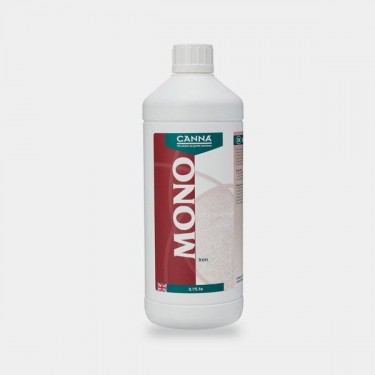
Iron from Canna
Canna Iron is a mono-nutrient product designed to provide iron to cannabis plants, an essential mineral for their proper function and metabolism. Iron is crucial for photosynthesis as it is the main component of chlorophyll and plays a role in the transport of nutrients and energy within the plant.
This product is ideal for correcting iron deficiencies, especially in plants showing chlorosis, a condition where the leaves turn yellow while the veins remain green, indicating an iron deficiency. The formula is made of EDDHA molecules and EDTA chelates, which facilitate the assimilation of iron across a broad pH range.
How to use:
- During normal watering: Add 0.75 ml/L of water.
- Initial signs of iron deficiency: Add 1 ml/L.
- Advanced chlorosis due to iron deficiency: Add 2 ml/L.
Composition:
- Iron: 0.1%
This product is especially useful for mother plants and cuttings, as mother plants often transfer iron deficiencies to the cuttings.
Vita Race
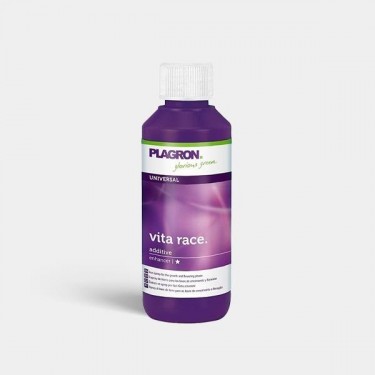
Vita Race from Plagron is a foliar stimulant designed to be used throughout the cannabis growing cycle, both in the vegetative and flowering stages. This product is mainly used to prevent and correct iron deficiencies, an essential mineral for numerous metabolic and structural processes in plants.
Advantages:
- Prevents iron deficiencies and other nutrients dependent on this mineral.
- Improves photosynthesis, as iron is a key component of chlorophyll, enabling plants to synthesize nutrients from light.
- Helps with the growth of strong stems and branches, essential for supporting the weight of buds during flowering.
- Promotes a green and healthy plant, optimizing its performance.
How to use:
- Foliar application: Spray once a week, using 2 ml/L to 5 ml/L of water, depending on the growth stage.
- It’s important to spray the upper and lower sides of the leaves well.
- Apply during low light hours, such as at sunset outdoors or with lights off in indoor cultivation.
Composition:
- Iron: 8%
This product is ideal for maintaining the general health of the plants and optimizing their development in both the vegetative and flowering stages.

Can yellow cannabis leaves be recovered?
It depends on the cause. If the yellowing is due to a watering issue or a nutrient deficiency, it may be possible to reverse it. However, if the leaf is already dry or rotting, it will not turn green again.
If the leaf is too weak, it’s best to prune it so the plant can focus its energy on growing new, healthy leaves.
How to apply fertilizer for yellow leaves on plants correctly
- Adjust the pH of the watering water before fertilizing.
- Use liquid fertilizers for faster absorption in case of acute deficiencies.
- Avoid over-fertilizing, applying nutrients in controlled doses.
- Perform a root wash if there is a salt buildup.

Precautions and final recommendations
- Constantly monitor the health of the plant.
- Control temperature and humidity to avoid stress on the plant.
- Check the watering, adjusting the amount according to the size and stage of the plant.
- Look out for pests and diseases that might be affecting the foliage.
Yellowing and spots on cannabis leaves can be a natural process or a sign of problems in the crop. Identifying the cause and applying proper solutions, such as using specific fertilizers for yellow leaves on plants and correcting the pH, can restore the plant’s vitality. By following these tips, you’ll achieve a healthy crop and an optimal harvest.
Products in this article




 Add as preferred source in Google