Personalized Attention +44 151 947 0713
 SHIPPING TO ALL

 9/10 Rating
 SALE TO MINORS PROHIBITED

Marijuana is a plant that has accompanied humans for centuries in many different contexts: ritual, therapeutic, and recreational. Today, many people use it to relax, relieve pain, or simply out of curiosity and a desire to explore new sensations. Beyond the reasons for using it, what truly matters is understanding the real effects of marijuana on both the body and the mind.
In this article, we’ll clearly explain the main effects of marijuana. We’ll cover both its recreational use and its potential medical applications, and we’ll explore how its two most well-known compounds—THC and CBD—interact with the body. We’ll also share some key guidelines so that, if you decide to use cannabis, you can do so in a more informed and responsible way.
What are the effects of marijuana?
The effects of marijuana can vary widely depending on the strain, the dose, the consumption method, and even the user’s mood or tolerance level. It’s not the same to take your first puff as it is to consume cannabis regularly. To better understand the overall effects of marijuana, it’s helpful to distinguish between short-term and long-term effects.
Short-term effects of marijuana
When you consume cannabis, the initial effects of marijuana usually appear within minutes if it’s smoked or vaped, and somewhat later if it’s ingested. Some of the most common short-term effects include:
- Changes in time perception (time may feel slower or faster).
- A feeling of euphoria, laughter, or deep relaxation.
- Dry mouth, red eyes, and increased appetite.
- More introspective or philosophical thoughts, sometimes accompanied by enhanced creativity.
- In some cases, cannabis may cause anxiety, paranoia, or confusion, especially in sensitive individuals or with higher doses.

Long-term effects of marijuana
If cannabis use becomes frequent, the effects of marijuana may also be experienced over the long term:
- The body can develop tolerance, meaning higher doses may be needed to achieve the same effects.
- Psychological dependence may develop, making it harder to relax, sleep, or eat without cannabis.
- Some studies suggest possible impacts on memory, attention, and motivation, particularly among younger users or those with prolonged heavy use.
- Smoking marijuana through combustion may affect lung health, although vaping or oral consumption can significantly reduce this risk.
- While the risks are generally considered lower than those associated with many other substances, this does not mean marijuana is completely harmless.
Effects of marijuana by type of cannabis
The effects of marijuana don’t depend only on how much is consumed, but also on the type of cannabis strain. There are three main categories: indica, sativa, and hybrid strains. Each group contains different combinations of cannabinoids and terpenes, which directly influence the overall experience and the specific effects of marijuana on the body and mind.
| Variety | Details |
|---|---|
| Sativa Strains | Sativa strains tend to have a more stimulating profile. Unlike indicas, their effects are felt more at a mental and emotional level.
|
| Indica Strains | Indica strains typically produce a deep sense of calm, making them ideal for unwinding after a stressful day.
|
| Hybrids | Many modern cannabis strains are hybrids, meaning they combine indica and sativa genetics in different proportions. This allows consumers to tailor the experience according to their needs.
|
How do THC and CBD work?
The primary drivers behind the effects of marijuana are two cannabinoids: THC and CBD. Although both compounds come from the same cannabis plant, they interact with the human body in very different ways.
THC: The compound responsible for the “High”
Tetrahydrocannabinol, commonly known as THC, is the psychoactive component of marijuana. In other words, it’s the compound responsible for the classic cannabis “high.”
- It can cause sensory changes, such as altered perception of time or colors.
- It often increases appetite and emotional sensitivity.
- It may produce euphoria, laughter, or, in some cases, anxiety when consumed in excessive amounts.
This cannabinoid binds primarily to CB1 receptors in the brain, particularly in areas associated with pleasure, memory, and coordination—explaining many of the short-term effects of marijuana.
CBD: Benefits without the high
CBD, or cannabidiol—commonly found in products such as CBD hemp flowers—does not produce intoxicating effects. Instead, it is known for its therapeutic properties, which have gained significant attention in the wellness and medical communities.
- It may help reduce anxiety and stress.
- It has anti-inflammatory and pain-relieving properties.
- It can help counteract some of the effects of marijuana related to THC, such as paranoia or anxiety.

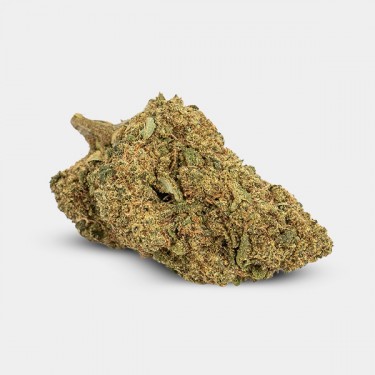


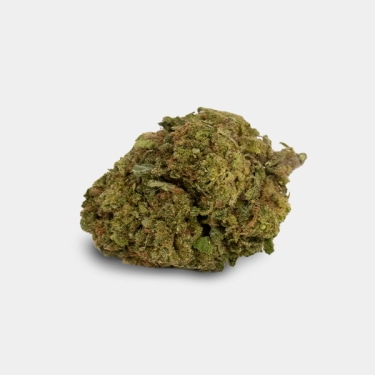
CBD interacts with the endocannabinoid system in a more subtle way, influencing receptors such as CB2, which are mainly found in the immune system and other tissues throughout the body.

Medical marijuana: effects and benefits
Marijuana is not used exclusively for recreational purposes. In recent years, medical cannabis has gained recognition in modern healthcare due to the potential benefits associated with certain effects of marijuana for specific conditions.
Various scientific studies and clinical experiences suggest that the effects of marijuana may help relieve symptoms associated with several health conditions.
- Chronic pain: especially in patients with fibromyalgia, arthritis, or degenerative diseases.
- Nausea and vomiting: particularly effective for patients undergoing chemotherapy.
- Epilepsy: certain treatment-resistant forms of epilepsy have responded positively to CBD-based therapies.
- Anxiety and stress: controlled doses may have anxiolytic effects, especially with CBD-rich strains.
- Sleep disorders: many individuals use marijuana to help fall asleep or improve sleep quality.
In fact, an increasing number of scientific studies support the medical potential of cannabis. For example, the U.S. Food and Drug Administration (FDA) approved the CBD-based medication Epidiolex to treat severe forms of epilepsy such as Dravet syndrome.
However, while the effects of marijuana can provide meaningful therapeutic benefits, its use should always be moderate and supervised by a healthcare professional. Modern medical approaches focus on balancing benefits with potential side effects, often using carefully formulated products with specific THC and CBD ratios, especially in formats such as oils or capsules.
Frequently Asked Questions (FAQ) About the Effects of Marijuana
Can marijuana cause addiction?
Does marijuana really damage the lungs, or is that a myth?
Can marijuana cause a fatal overdose?
What does science say about long-term marijuana use?
On the other hand, several studies highlight that cannabis does not appear to produce the same levels of physical and social harm as other legal substances such as alcohol or tobacco, which has contributed to legalization debates and policy changes in various countries and U.S. states.




 Add as preferred source in Google