Personalized attention +34 96 206 62 98
 Free shipping to Iberian Peninsula from 30€
 9/10 Rating
 Discreet shipping

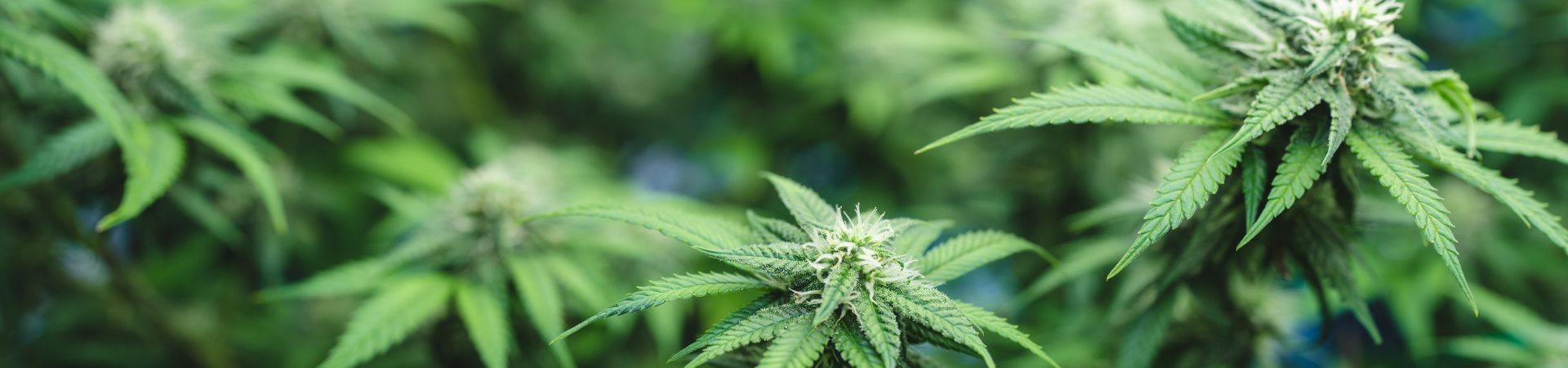
When we hear the word “stress,” the first thing that comes to mind is usually something negative: pressure, wear and tear, problems… But in the world of cannabis cultivation, the story changes a bit. Because yes, stress in cannabis plants can be a bad thing, but it can also become an unexpected ally.
However, the secret lies in finding the perfect balance, as excessive stress could damage the crop.
In this article, we explain everything: from the most common causes of stress to how to leverage certain factors to improve your crop’s performance.
What is stress in cannabis plants?
When we talk about stress in cannabis plants, we are referring to the reactions they have to certain changes or stimuli in their environment. In other words, a plant can also “notice” the impact of conditions that disrupt its balance.
Now, not all stress is necessarily bad. This is where it often surprises people: mild and controlled stress can be beneficial. Controlled stress forces the plant to adapt, and in that process, it sometimes becomes stronger, more productive… Even more aromatic.
However, if the line is crossed, that same factor can be harmful. Severe stress, whether from excessive heat, extreme lack of nutrients, or continuous watering errors, weakens the plant.
Excessive stress slows down its growth and, in the worst cases, can prevent it from even reaching harvest. That is why it is so important to know how to identify and manage the different types of stress. Because what sometimes seems like a problem… can become an opportunity if used intelligently and at the right time.

Stress through watering
When we talk about stress in cannabis plants through watering, the first thing that usually comes to mind is risk. And yes, excess water can be a serious problem. But the curious thing is that, at certain times during cultivation, a little “push” in the form of controlled stress can be very useful.
Harmful part
Too much water can literally drown the roots. When the substrate becomes saturated and does not drain well, the roots cannot breathe, and that is where the problems begin. You will notice that the leaves look droopy, but not from a lack of water, but quite the opposite. Sometimes they even take on a yellowish tone, and if you don’t act in time, fungi like the dreaded fusarium or root rot can appear.
Furthermore, poorly managed watering creates an unstable environment that affects the plant’s development. Growth slows down, and if it coincides with key phases, such as flowering, you could lose part of the harvest.
Beneficial part
Although it may sound contradictory, well-applied water stress can improve the quality of the crop. A classic example is flushing the roots with cold water in the final days of flowering. This mild thermal shock can stimulate terpene production and accentuate purple or bluish tones in some varieties, something many growers look for to enhance the aroma and final appearance of the buds.
There are also those who apply a slight reduction in watering during flowering so that the plant focuses its energy on developing denser flowers. Of course, this must be done with wisdom and experience, because a false step could cause more harm than good.

Temperature and humidity stress
One of the most common factors that cause stress in cannabis plants is ambient temperature and humidity. Both conditions directly influence the plant’s metabolism, so both excesses and deficiencies can have notable consequences. However, in certain contexts, they can also be leveraged to stimulate positive responses.
Harmful part
When temperatures are too high or too low, or when humidity levels do not match the plant’s stage of development, the effects can be quite negative. Some of the most common problems are:
- Excessive heat: Can cause dry leaves, burnt edges, dehydration, and in extreme cases, stop photosynthesis.
- Intense cold: Slows down growth, damages roots, and can affect nutrient absorption.
- High humidity during flowering: Increases the risk of fungi such as powdery mildew or botrytis.
- Low humidity during growth: Can cause water stress, hindering the development of leaves and stems.
In general, maintaining an appropriate range—temperature of 24–28 °C and humidity of 50–70% during growth, and 40–50% during flowering—is key to avoiding problems.
Beneficial part
Although it may seem contradictory, causing some stress in cannabis plants through a slight adjustment in temperature or humidity can stimulate certain favorable responses:
- Use of CO₂ in indoor crops: By supplementing with carbon dioxide, plants can tolerate higher temperatures (up to 30–32 °C), which increases their transpiration rate and improves nutrient absorption.
- Slight drop in nighttime temperature during flowering: Can promote the production of anthocyanins in some varieties, leading to buds with purple tones and greater visual appeal.
- Humidity control in late flowering: A controlled drop can harden the buds and reduce the risk of mold at the same time.
Applied with knowledge, the environment can also become a tool to improve the final performance of the crop.

Nutritional or fertilizer stress
Stress in cannabis plants can also be related to imbalanced nutrition. Although nutrients and cannabis fertilizers are essential for growth and flowering, both deficiency and excess can alter their metabolism and slow down their development. Identifying and correcting imbalances in time is key to preventing plants from entering a spiral of stress that directly affects their production.
Harmful: deficiencies and excesses
Nutritional stress usually presents in two opposite but equally harmful ways:
- Excess of nutrients (over-fertilization): Plants may show burnt leaf tips, downward-curling edges, salt accumulation in the substrate, and blockage of the absorption of other elements.
- Nutrient deficiencies: When plants do not receive the proper amount of key nutrients like nitrogen, phosphorus, potassium, calcium, or magnesium, they begin to develop symptoms such as yellow leaves, spots, weak stems, or poor flowering.

Light stress
Light stress in cannabis plants refers to the effects caused by inadequate or extreme exposure to light during cultivation. Although light is essential for photosynthesis and cannabis development, poor management of its intensity, spectrum, or duration can trigger negative reactions. However, certain growers leverage this type of stress in a controlled way to stimulate resin production or improve the quality of the flowers.
Harmful part
Excess light or a poorly positioned source can cause a series of visible and harmful problems for the plants:
- Leaf burns: manifest as dry tips, crispy edges, or whitish spots on the leaf surface.
- Color change: continuous light stress can generate discolorations, such as unnatural yellowing or reddening.
- Photoinhibition: when the plant reduces its photosynthetic capacity to protect itself from excess light, slowing its growth.
- Photoperiod alteration: light exposure at improper times (e.g., light during the dark cycle in flowering) can cause hermaphroditism or revert flowering.
Beneficial part
Applied with care, light stress can also be leveraged to maximize the potential of certain cannabis varieties:
- Light spectrum modulation: experimenting with color temperature during cultivation can improve the morphology or density of the buds.
- Gentle increase in UV light: gradual exposure to UVB rays can encourage trichome production, as the plant reacts by generating more resin as protection. You can take a look at our cannabis lighting catalog.
- Light deprivation before harvest: some growers apply 24–48 hours of total darkness at the end of flowering to increase trichome concentration and enhance the organoleptic profile.

pH stress
The pH of the substrate or irrigation water is an essential factor for the proper development of cannabis plants. When the pH is outside the optimal range, the plant cannot correctly absorb the available nutrients, which causes nutritional imbalances. This type of stress in cannabis plants, although invisible to the naked eye in its early stages, can trigger multiple problems.
Harmful: consequences of an incorrect pH level
- Essential nutrient lockout: even if the fertilizer is the right one, an incorrect pH prevents the absorption of elements such as nitrogen, phosphorus, calcium, or magnesium.
- Visual symptoms: yellow leaves, burnt tips, brown spots, or deformations similar to those caused by deficiencies, but originated by the pH.
- Slow or stunted growth: the plant consumes more energy adapting to the environment than developing.
- Greater susceptibility to pests and diseases: a plant stressed by pH becomes more vulnerable.
- Compromised flowering: smaller, less resinous buds with lower final quality.

Stress from pruning, transplanting, or training
Stress in cannabis plants is not always negative. Certain cultivation techniques, such as pruning or training, seek to apply a controlled level of stress to improve performance, although poor management can cause opposite effects. Therefore, understanding how each practice affects the plant is key to maintaining healthy and productive development.
Harmful part
- Accidental breakage of leaves or branches: If important structures are damaged during pruning or training, the plant wastes energy repairing tissues instead of focusing on growth or flowering.
- Poorly performed transplants: If the timing is not respected or the root is not handled properly, there may be a growth stall and a risk of rot.
- Wind or fan burns after defoliation: Removing many leaves at once leaves sensitive parts exposed, which can easily burn with direct air.
Beneficial part
- Low Stress Training (LST): A gentle bending technique that minimally stresses the plant to improve light exposure and increase bud production.
- Apical pruning and FIM: Cutting the main apex promotes more abundant lateral branching, ideal for maximizing space and increasing yields.
- Controlled defoliation: Removing strategic leaves improves internal aeration and lighting, reducing the risk of fungi and favoring bud maturation.

Root stress
Roots are the vital system of any plant, and in the case of cannabis, their health directly impacts growth, nutrient absorption, and final production. When roots suffer any type of alteration, the entire plant can manifest visible symptoms of stress. This type of stress is common in crops with drainage problems, overwatering, or poorly executed transplants.
Harmful: what it can cause
Root stress can cause a series of negative consequences:
- Stunted vegetative and floral growth.
- Appearance of nutritional deficiencies, even if the substrate is well-fertilized, as the roots cannot correctly absorb the nutrients.
- Root rot, especially in hydroponic crops or those with excess humidity.
- Greater susceptibility to pests and diseases such as fungi, bacteria, or insect larvae.
Wilting and drooping leaves, a sign that the root system is compromised.
Avoiding these problems involves maintaining an aerated, well-drained substrate, avoiding waterlogging, and performing transplants carefully so as not to damage the main roots. A plant with healthy roots is a plant with more capacity to grow strong and perform at its best.

Comparative table of all types of stress in cannabis plants
Although we usually associate the word “stress” with something negative, in cannabis cultivation, this is not always the case. Plants can react in different ways depending on the type of stress they face, and in some cases, if applied in a controlled manner, it can become an ally to improve production, the quality of the buds, or accelerate certain processes. Below, we show you a comparative table with the main types of stress in cannabis cultivation.
| Type of stress | Harmful | Beneficial (if controlled) |
|---|---|---|
| Water stress (irrigation) | Excess water: suffocated roots, rot, fungi, nutrient lockout. | Root flushing with cold water at the end of flowering to improve flavor and effect. |
| Temperature and humidity stress | Extreme heat or cold: slows growth, weakens the plant. | Controlled increase with CO₂: stimulates water absorption and photosynthesis. |
| Nutrient or fertilizer stress | Excess or deficiency: burns, lockouts, secondary deficiencies. | Controlled application of deficiencies to stimulate self-defense and metabolism. |
| Light stress | Excessive light: burns, discoloration, oxidative stress. | Light deprivation 24–48h before harvest to boost trichomes; spectrum adjustment to control development. |
| pH stress | Imbalanced pH: nutrient lockout, slow or no growth. | Micro-variations in pH to facilitate specific nutrient absorption according to the cultivation phase. |
| Pruning, transplanting, or training stress | Breakages, wounds, burns from exposure or wind. | LST, apical pruning, defoliation: improves structure, light distribution, and bud production. |
| Root stress | Lack or excess of watering and fertilization, incorrect pH, tangled roots, extreme temperatures, fungal infection… | Temperature should be kept around 24 °C, and provide a sufficiently large space. Watering and fertilization must be done in the right measure. |
As we have seen, stress in cannabis plants can be a silent enemy or a powerful tool; it all depends on how it is managed. Identifying harmful factors in time and applying controlled stress techniques at the right moment allows you to optimize development, boost trichome production, and improve the final quality of your harvest. Observing, adjusting, and learning from each crop is the key to turning stress into an advantage.