Personalized Attention +44 151 947 0713
 SHIPPING TO ALL

 9/10 Rating
 SALE TO MINORS PROHIBITED

Indoor cultivation has gained popularity due to its ability to provide a controlled environment, optimizing plant growth regardless of external weather conditions. You can have a room for indoor cultivation without a grow tent if you want, but in reality, setting up an indoor grow tent allows growers to have a dedicated space where they can adjust factors such as light, temperature, and humidity to maximize the yield of their crops. Here, we tell you everything about how to install an indoor grow tent.
Benefits of a grow tent
Having a tent for indoor cultivation can offer several benefits:
- Environmental control: allows for precise management of light, temperature, and humidity.
- Privacy: ideal for those who prefer to keep their cultivation discreet.
- Space saving: perfect for those with limited space.
Materials needed for assembly
Some of the materials needed to carry out the assembly of grow tents include the following:
Suitable seed types
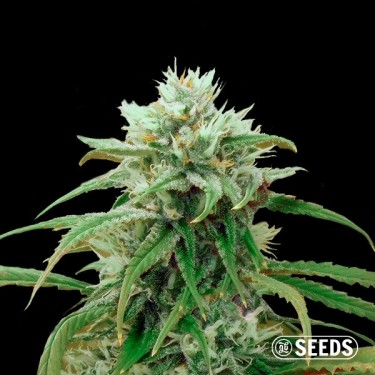
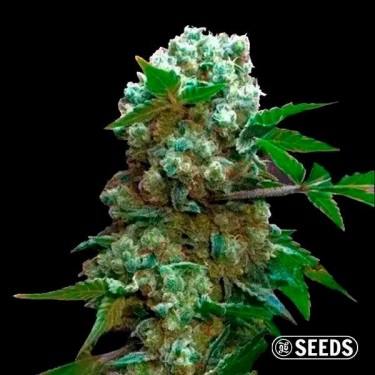
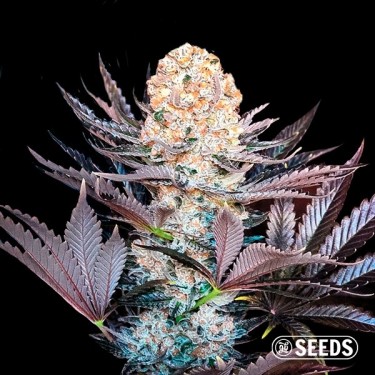
For an indoor grow tent, it is essential to choose the right seeds. Here are some popular options:
- Marijuana seeds online: ideal for those looking for a complete and personalized experience.
- Feminized seeds: guarantee female plants, maximizing production.
- Hemp seeds: perfect for those interested in industrial or medicinal products.
- CBD seeds: focused on obtaining high levels of cannabidiol, suitable for therapeutic use.
Basic equipment for indoor cultivation
A complete indoor grow kit can include everything necessary to carry it out correctly. Among the tools that can be found in them are:
- Grow light: LED or HPS, depending on budget and needs.
- Ventilation system: extractor and fans to keep the climate controlled.
- Pots and soil: preferably with good drainage.
- pH and EC meters: to ensure that nutrients are absorbed correctly.
Tools needed for assembly
To set up an indoor grow tent, several essential tools are needed:
- Tent structure: generally made of aluminum tubes with numbered connectors.
- Reflective fabric: to cover the structure and maximize light.
- Zippers and velcro: facilitate access and sealing of the tent.
- Electrical wiring: to connect all necessary equipment.
Having these materials ensures efficient assembly and a suitable environment for your plants.
Steps to set up an indoor grow tent
Cleaning and hygiene
Before starting to install or assemble anything, it is vital to clean and disinfect the room completely to start on the right foot; otherwise, the appearance of pests and/or fungi may be much faster.
In this sense, we must focus on cleaning and disinfecting walls, ceiling, floor, and windows. Once the room has dried and been ventilated, it is time to start the assembly.
Structure and tent cover
The first step in assembling an indoor grow tent is to build the base structure. This process includes:
Assembling the structure with numbered tubes and connectors
Use aluminum tubes and numbered plastic connectors to facilitate assembly. Any complete indoor kit comes with detailed instructions, which makes this step simple, even for beginners. You must ensure you follow the instructions to the letter to guarantee the stability of the tent. The steps to follow are:
- Identify and organize all parts.
- Assemble the bottom frame using the appropriate connectors.
- Continue with the sides and finally the top frame.
- Secure all joints well to avoid movement.
Cover the structure with suitable fabric
Once the structure is assembled, it is time to cover it with the tent fabric. This fabric is usually reflective on the inside to maximize light and opaque on the outside to prevent light leaks. Steps to cover the structure:
- Unfold the fabric on a clean surface.
- Place the structure inside the fabric, ensuring the zippers are accessible.
- Adjust the fabric around the frame, closing the zippers and ensuring there are no wrinkles or open spaces.
Attention to these initial details makes a big difference in the performance of indoor cultivation.
Installation of the extraction system
The installation of the extraction system is crucial to maintain a controlled environment in your indoor grow tent. Here is how to do it step by step:
- Connection of the extractor and attachment to the ceiling: the extractor must be hung at the top of the tent, ensuring it is well secured to the ceiling using specific supports or using sturdy ropes. This will allow for efficient air circulation to the outside.
- Installation of the odor filter and its importance: place the odor filter near the extractor, connecting it with a flexible aluminum tube. This filter is essential to eliminate strong odors and keep the environment discreet. You will need to use zip ties and duct tape to ensure a good seal between the filter and the extractor.
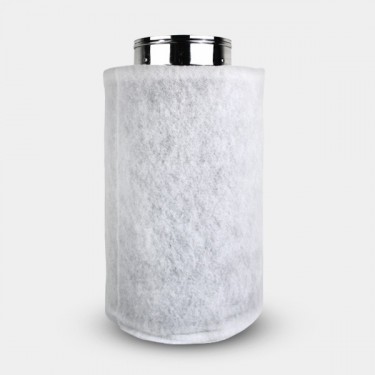
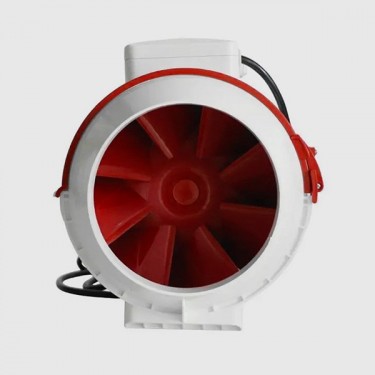
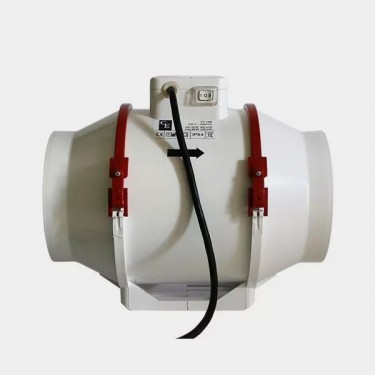
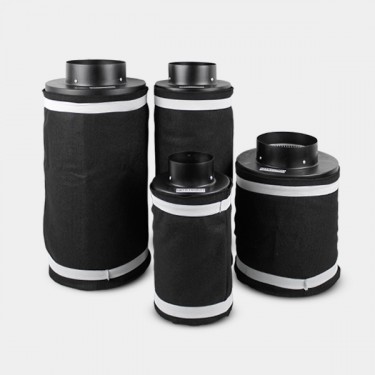
Maintaining proper extraction is vital to prevent moisture buildup and ensure that plants receive fresh air continuously, thereby improving their growth and overall health.
Lighting System
When configuring the lighting system in your indoor grow tent, it is crucial to do so after having installed the extraction system. This ensures proper space distribution and avoids interference between equipment.
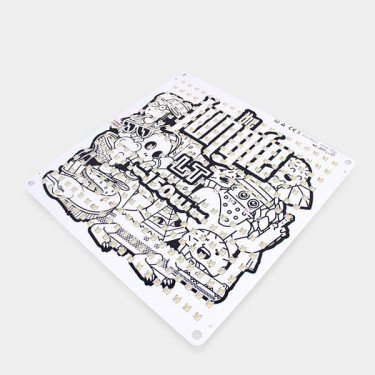
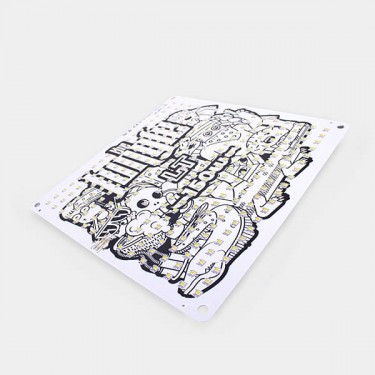
For the assembly of the lighting fixture or lighting kits, follow these steps:
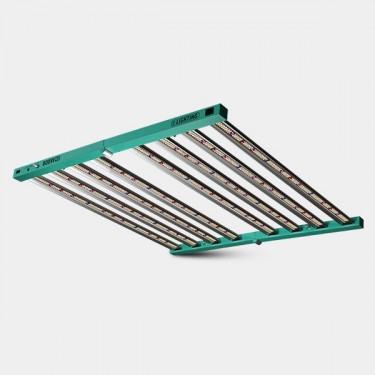
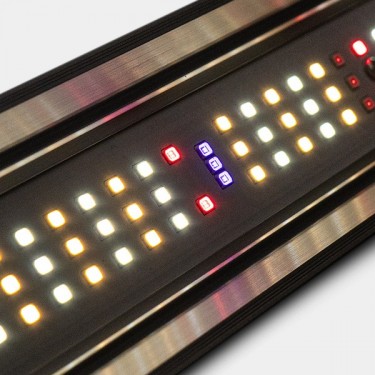
- Select a suitable lighting kit: it is recommended to use LED or HPS lights specific for indoor cultivation. You must ensure that the power is appropriate for the size of the tent.
- Installation with pulleys or chains: to facilitate height adjustment of the lights, use pulley or chain systems like Easy Rollers. These allow you to move the lights according to the growth phase of the plants.
- Electrical connection: connect the lighting system to an analog or digital timer to control the light and dark cycles necessary for the plants.
Ventilation and climate control
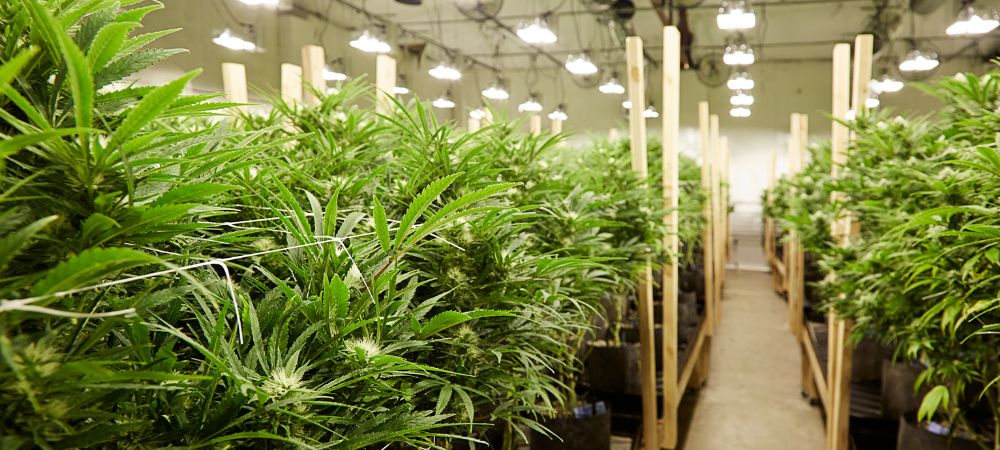
To maintain an optimal cultivation environment, it is essential to install a suitable ventilation system and control the climate inside the tent. Here are the step-by-step instructions for this:
Installation of the fan inside the tent
Use a fan with a clip or external support to ensure uniform air distribution. Place the fan in an upper corner to maximize airflow without obstructing the light.
Placement of the thermo-hygrometer for effective monitoring
The thermo-hygrometer should be placed at the average height of the plants. This allows for precise measurement of temperature and humidity, ensuring your plants are in a controlled environment.
Optimizing ventilation and climate control is vital to avoid problems such as pests and fungi. Adjusting these elements correctly will help create a healthy environment for your crops.
Practical tips for indoor cultivation
Tent maintenance and pest control
Keeping the tent clean is essential to avoid pests and diseases. It is recommended to disinfect all surfaces before starting cultivation, using products specific to horticulture. During growth, inspect plants regularly for signs of pests such as mites or whiteflies. You will need to use sticky traps and, if necessary, apply organic treatments such as neem oil.
Recommendations on watering and nutrients
Proper watering is vital for the success of indoor cultivation. Avoid both overwatering and underwatering. A good method is to water when the first few centimeters of soil are dry to the touch. Use room-temperature water and, if possible, with a pH adjusted between 6.0 and 7.0.
Regarding nutrients, it is advisable to follow a fertilization schedule specific to the growth stage your plants are in. Liquid fertilizers are easy to dose and adjust according to specific needs. Do not forget that periodic flushing of the substrate should be performed to avoid accumulations of mineral salts that can damage the roots. If you have problems with yellow leaves on indoor plants, do not panic, but act quickly to make a diagnosis and apply the appropriate solution.
All these tips will help maintain an optimal environment inside the tent, thus promoting healthy and productive growth for your plants.

Products in this article




 Add as preferred source in Google