Personalized Attention +44 151 947 0713
 SHIPPING TO ALL


 9/10 Rating
 SALE TO MINORS PROHIBITED


Eliminating slugs and snails from marijuana plants doesn’t have to be an especially difficult task. Although there are times when it can turn into a nightmare if you don’t know how to proceed correctly. For this reason, growing marijuana outdoors can be pleasant and enjoyable, or it can be quite the opposite.
To prevent this from happening and avoid frustration in our attempt to get our own quality outdoor marijuana, we are going to talk about the lifestyle of slugs and snails, which are the best prevention methods, and what the best methods for their elimination are. Stay in this post and learn with us.
Characteristics of slugs and snails
What are they?
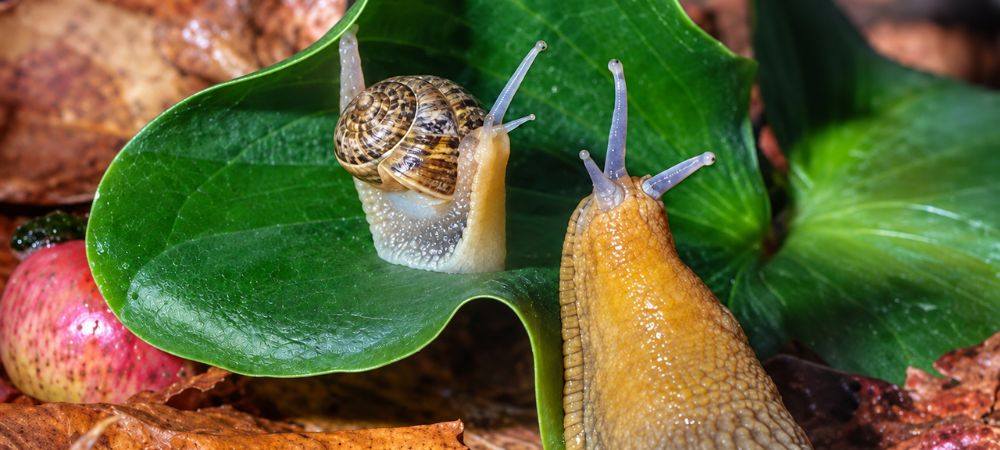
Before learning how to eliminate slugs and snails from marijuana, it is important to know what we are facing. Slugs and snails belong to the same group of gastropod mollusks, and their main difference lies in the fact that snails develop with a spiral shell, while slugs lack a visible external shell. In this regard, one must also distinguish between land and aquatic snails, as it is the former that can appear around crops.
The maximum size that slugs can reach ranges between 1 and 15 cm, while some land snails can measure up to 30 cm. However, these large species are mainly found in tropical regions, so they do not usually appear in typical crops.
When are they active?
Generally, this type of mollusk is usually active at night, although it can also be active during the day when the environment is humid and temperatures are mild.
Their period of activity is marked by temperature and humidity. With the arrival of cold weather, many species significantly reduce their activity and remain sheltered. In spring, rain and rising temperatures favor their appearance again, just when a good part of outdoor crops begins.
It is also common to find them active after watering or after several days of rain, especially if they have humid and dark areas in which to hide.
What do they feed on?
Slugs and snails feed mainly on living or decomposing plant matter, although their diet can vary depending on the species. They usually look for tender leaves, young shoots, and other plant tissues that are easy to ingest.
This factor is what should put us on alert, since if any of our plants are nearby, it is very likely that they will attack them in search of their tender leaves and shoots. Snails also need calcium to keep their shell in good condition, so they may look for it in the soil and other materials present in their environment.
What negative effects do slugs and snails cause?

Snails and slugs can cause damage of greater or lesser intensity depending on the size of the attacked plant and the number of snails attacking it. But as a general rule, they usually produce significant wounds on the leaves, which also helps us verify that the plant is being attacked by snails and/or slugs. But they can also feed on young and fresh stems.
This means that if a single snail attacks a plant that is about 25–30 days old, it is likely to cause damage without killing it. However, if a single snail or slug attacks newly germinated plants or those only a few days old, it is very easy for it to end up killing them due to the wounds produced.
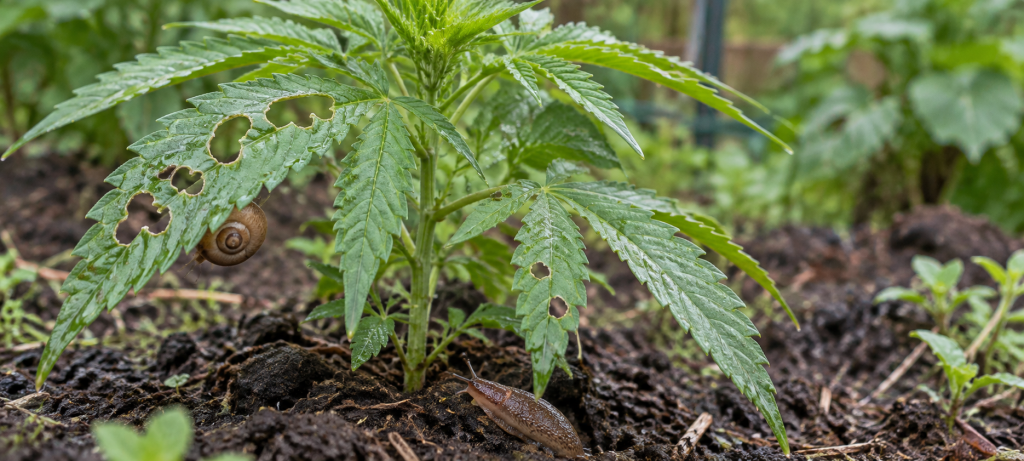
The same happens with larger plants and with the attack of a greater number of slugs or snails. If it is attacked by only a few snails, it will most likely only cause small wounds on the leaves and leave the plant full of slime trails. But if it is attacked by a large number, it is easy for us to lose individual branches and even the entire plant, since their wounds are ideal for the plant to be attacked by some type of harmful bacteria or fungus.
How to prevent slugs and snails
As with growing any type of plant or vegetable, it is necessary to carry out prior prevention work. Otherwise, we may arrive one day and find an unpleasant surprise in the form of a plague. For this reason, we are going to list the most commonly used forms of prevention against snails and slugs.
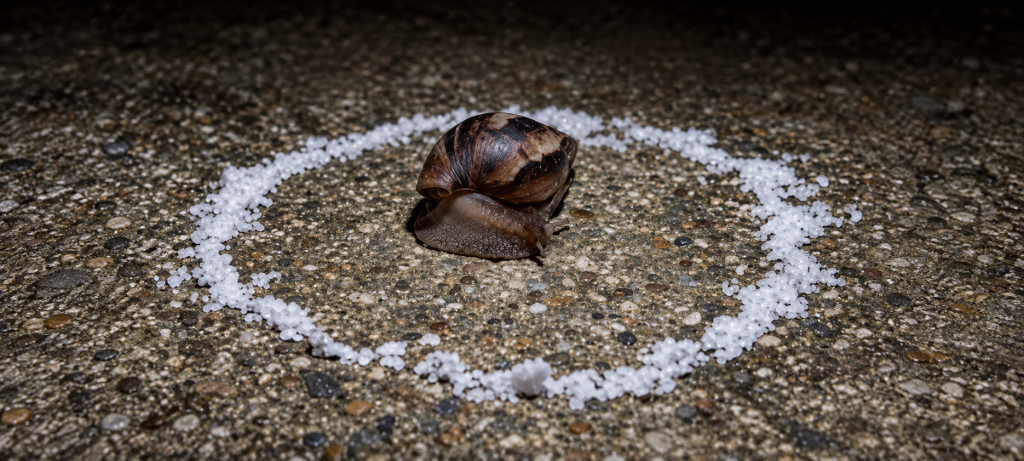
- Place containers with beer near the crop to attract and capture slugs and snails. They must be checked and emptied frequently.
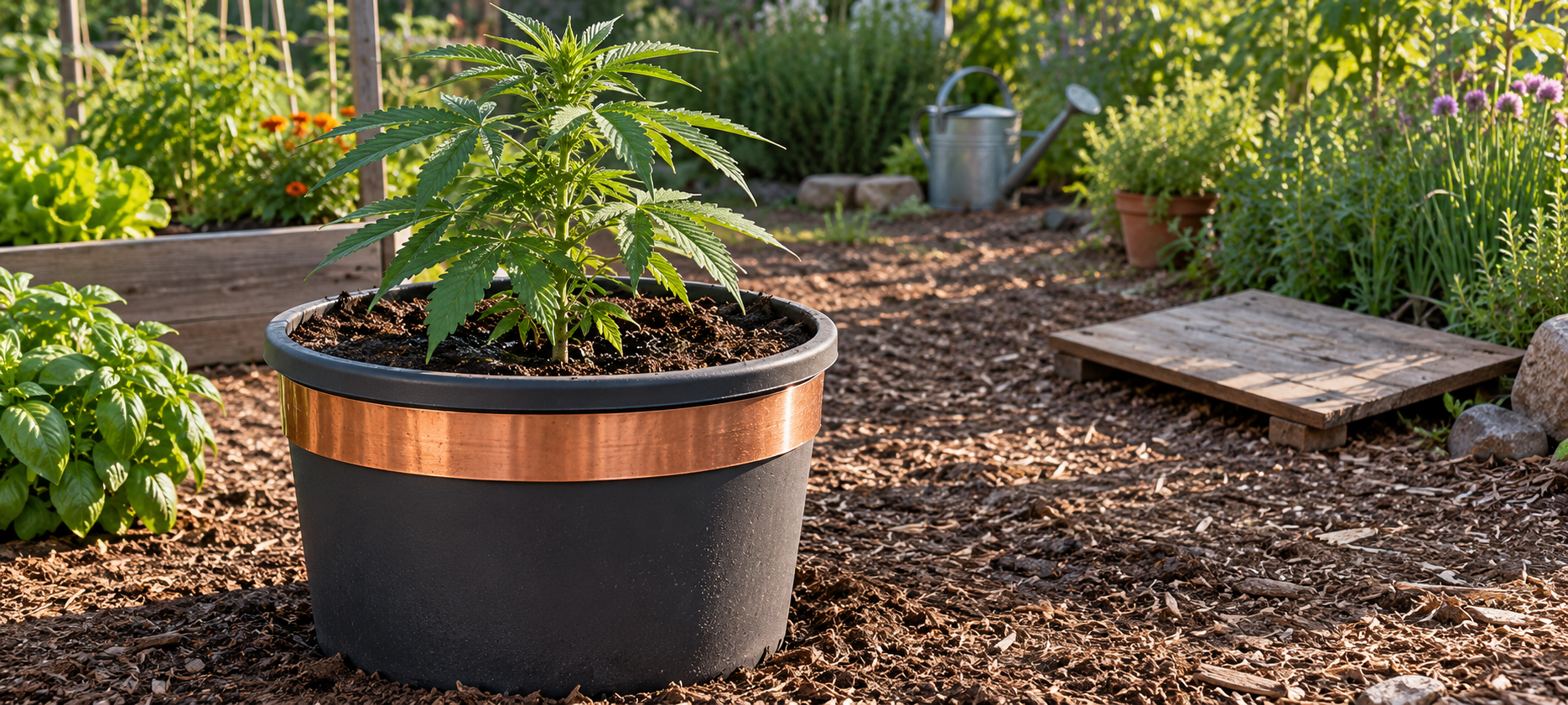
- Place a copper barrier around pots or specific areas of the crop. Its effectiveness can vary, so it is advisable to combine it with other methods and check that there are no gaps through which they can pass.
- Avoid using salt or lime around plants, as they can alter the soil and damage the roots.
- Avoid watering or spraying at night. Watering during the early hours of the day allows the substrate surface to be less humid during the period of greatest activity for these mollusks.
- Place boards or leaf debris in areas away from the plants to create controlled shelters. Check them in the morning and remove the specimens that have hidden underneath.
- Clean the area around the plants and remove plant debris, empty pots, stones, and other objects that they can use as a hiding place.
- Observe the plant, the pot, and its surroundings in search of slugs, snails, or slime trails.
- You can place certain aromatic plants near the crop, such as fennel or basil. However, they should not be used as the only method of protection.
- Increase the intensity of the search after watering and during rainy days, when slugs and snails are more active.
- Protect newly germinated plants especially well using physical barriers or covers that prevent these mollusks from accessing them.
How to eliminate slugs and snails
If, after being smart and having done prior prevention work, a snail or slug appears on the plant, or you can see the remains of their slime, it is time to take action and apply control measures. To do this, we are going to offer you several options to know how to eliminate slugs and snails in a totally effective way.
- Search the entire plant during the night or early in the morning for the snails or slugs that are attacking it and remove them with your own hands. Use gloves and also check the bottom of the pots, the saucers, and nearby objects.
- Apply diatomaceous earth or create a barrier around the plant. It must be kept dry to maintain its effect, as it loses effectiveness when it gets wet. Avoid inhaling the dust during application and follow the manufacturer’s instructions.
- Apply a specific product, such as Antilimacos Metarex M Compo, always following the doses, precautions, and conditions of use indicated on its label. It must be kept out of the reach of children and animals.
- Place traps designed specifically for snails and slugs. Check them frequently and renew the bait when necessary.
- Use boards, tiles, or containers placed upside down as trap shelters. Slugs and snails usually hide underneath during the day, which facilitates their manual removal.
- Chickens and ducks can feed on snails and slugs. However, they must be kept under control and away from the plants, as they could also disturb the substrate or damage the crop.

So that you can purchase products designed to combat and/or prevent the attack of slugs and snails, click on the button below and purchase the product that best suits your needs.
Find your product against slugs and snails
Summary
Eliminating slugs and snails from marijuana is a fairly simple task when they are detected in time. There are few cases in which they manage to finish off entire crops or adult plants. However, if the plant is very young, it can suffer irreparable damage or develop some problem due to the wounds.
Remember that prevention and frequent inspection are the best options to avoid the attack of slugs and snails. Observe your plants during the night or early in the morning, especially after watering or during rainy days, as these are the periods of greatest activity for these mollusks.